Apple is reportedly taking an unusual route to ease pressure on its component costs by lobbying the U.S. government to keep ChangXin Memory Technologies, or CXMT, off the Entity List. The move is aimed at opening an alternative path to secure DRAM supply as memory prices keep climbing.
The effort comes at a time when the global memory market is under strain from heavy demand tied to artificial intelligence infrastructure and data centers. As a result, consumer electronics makers are facing a tighter and more expensive supply chain than before.
Why Apple is looking at CXMT
Ming-Chi Kuo said on X that Apple wants CXMT to remain outside the U.S. trade sanctions list. CXMT is known as China’s largest DRAM memory producer, but the company is politically sensitive after being placed on the Pentagon’s blacklist over alleged links to the military sector.
For Apple, the logic is straightforward. Diversifying suppliers may be more practical than relying on a memory pipeline that is becoming both costlier and more constrained.
Samsung’s price hike is tightening the squeeze
The pressure on Apple has also intensified because Samsung reportedly raised RAM prices by as much as 100 percent at the start of the year. According to the reporting, Apple accepted the increase without negotiation, leaving even less room to absorb component inflation.
Tim Cook had already acknowledged sharp inflationary pressure on component costs in a quarterly earnings report. That warning now appears to be reflected in Apple’s sourcing strategy.
The memory market is being pulled toward AI
Kuo expects the situation to persist until 2027, and Lenovo has warned that higher memory prices may become the “new normal” for the electronics industry. He also predicted that about 15 to 20 percent of memory capacity originally intended for consumer devices in 2026 will be redirected to data centers and AI infrastructure in 2027.
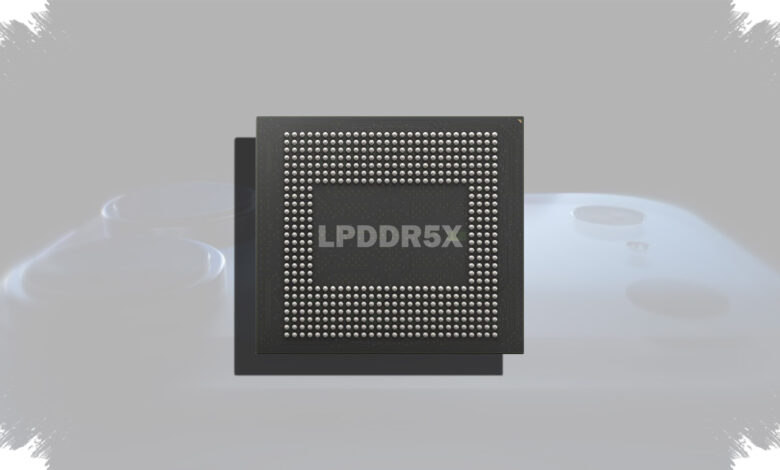
That shift is particularly important for LPDDR memory, a core component in mobile devices. As more capacity moves toward AI-related demand, supply for consumer products is becoming tighter.
| Key Factor | What the Article Says | Impact |
|---|---|---|
| Samsung RAM pricing | Up to 100 percent increase at the start of the year | Raises component costs for device makers |
| Memory capacity shift | 15 to 20 percent redirected from consumer electronics to AI and data centers in 2027 | Creates tighter LPDDR supply |
| Apple A20 orders | Expected to fall 10 to 20 percent below the original target for late 2026 and early 2027 | Signals a broader supply constraint |
Apple’s chip plans are also being affected
The strain is not limited to memory chips. Kuo said orders for Apple’s next-generation A20 processor are expected to decline by around 10 to 20 percent from the original target for the late 2026 and early 2027 period.
That suggests AI demand is no longer just crowding out server hardware. It is also pushing consumer device supply chains into a more difficult position because global memory capacity is not expanding fast enough to match demand.
CXMT may help, but not immediately
Even if Apple succeeds in its lobbying effort, CXMT would not be a quick fix. The company’s internal production capacity is still relatively limited, so any short-term effect on Apple’s operating costs is likely to be modest.
Still, gaining access to another possible supplier would matter. Features such as Apple Intelligence are said to consume more memory, making supply diversification increasingly important for Apple as the company prepares for a more constrained market.
The final decision now rests with U.S. authorities. Whatever the outcome, the case shows that RAM pricing and memory access have become strategic issues shaping smartphones, availability, and technology roadmaps in the years ahead.