Donald Trump’s call to FIFA over Folarin Balogun’s red-card suspension has become a larger warning about power and trust. Even if the decision to let Balogun play against Belgium was correct, the way it unfolded made it easy for critics to suspect influence, favoritism, and backroom dealing.
That suspicion is the point. Once an institution builds a reputation for corruption, almost every controversial decision gets read through that lens, and FIFA’s history makes that especially hard to avoid.
A decision already shadowed by doubt
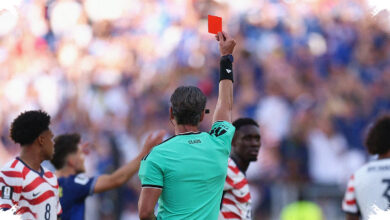
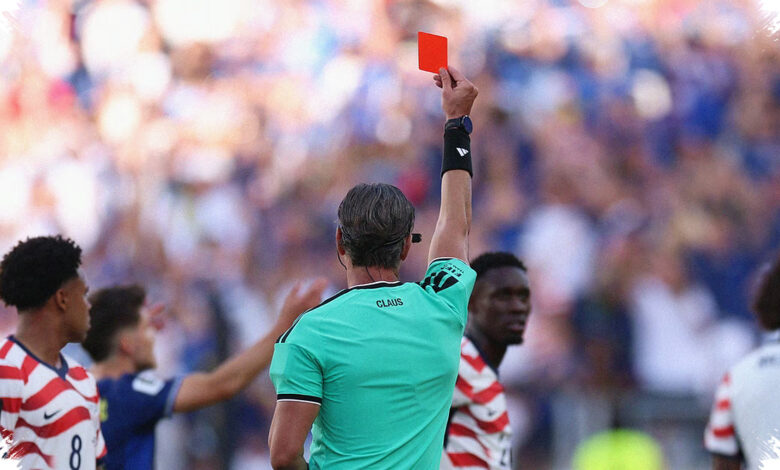
Balogun was sent off during the U.S. victory over Bosnia and Herzegovina, which should have meant he missed the next match. FIFA later said he would receive one year’s probation but would not be forced to sit out the game against Belgium in Seattle.
Trump reportedly called Gianni Infantino, FIFA’s president, to push for a review, and the move immediately raised questions. Trump also suggested, without evidence, that the referee who made the call was crooked.
| Key Issue | What Happened | Why It Matters |
|---|---|---|
| Balogun suspension | He was sent off after a red card against Bosnia and Herzegovina. | That normally would have kept him out of the next game. |
| FIFA’s ruling | He received one year’s probation but was allowed to play. | The reversal stirred debate about process and fairness. |
| Trump’s involvement | He called Infantino to press for a review. | It intensified doubts about outside influence. |
Why FIFA’s past still matters
FIFA’s reputation did most of the damage before the ruling itself was even understood. The organization has long been associated with corruption, including the 2015 Justice Department indictment of several top soccer officials on racketeering, wire fraud, and money-laundering conspiracy charges.
Sepp Blatter was forced out as president, several officials pleaded guilty, and Infantino was brought in to clean up the organization. Yet many observers still see corruption at FIFA’s core, which is why even a possibly fair call can look compromised.
The Belgian and European football federations are now angry about the decision. UEFA said that “the integrity of the game is at stake,” and both federations argued that FIFA appeared to bend its own rules, since another rule seems to make a red card require a one-game suspension.
A familiar pattern around Trump
The episode also mirrors the broader problem facing Trump. The administration has been hit with fresh corruption questions, including a Justice Department move involving bribery charges against Indian billionaire Gautam Adani.
According to a letter filed by DOJ principal associate deputy attorney general Trent McCotter, the department did not dispute that Adani’s lawyer said he could invest $10 billion in the United States if charges were dropped. McCotter said he had already decided to seek dismissal and that it was not “a close call.”
Trump’s crypto gains add to that same cloud. He said he did nothing wrong and did not know about the deals that made him at least $1.4 billion last year, but critics are not likely to take that at face value after years of overt corruption allegations.
That is where FIFA becomes a cautionary tale. The organization has survived repeated scandals because it can spread enough money around and because it governs a sport, not a state.
The federal government does not have that luxury. It needs public confidence to function, and once voters assume the worst, even routine decisions start to look like evidence of a deeper problem.