


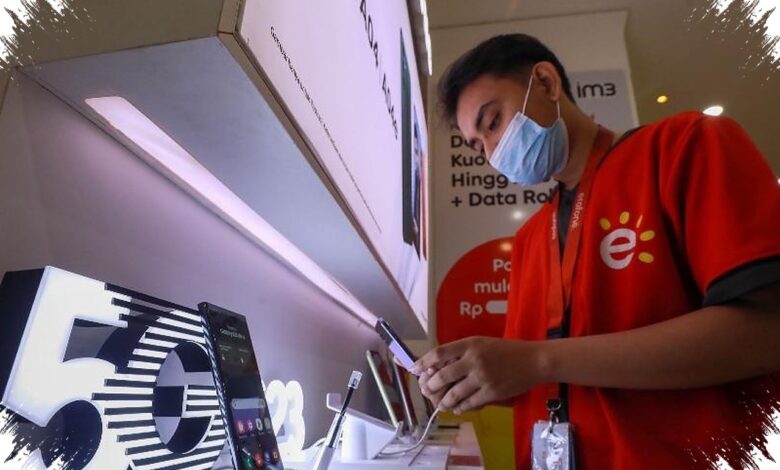
Indonesia’s 5G smartphone market is still expected to expand, but IDC says the pace is likely to slow as memory shortages reshape pricing and device strategy. The bigger issue is no longer just network rollout, but how rising component costs could narrow the gap between 4G and 5G devices.
According to IDC Indonesia Associate Market Analyst Client Devices Research Vanessa Aurelia, recent 5G growth has been driven more by vendors broadening their portfolios than by strong consumer demand. She noted that interest remains limited because 5G network development in Indonesia has lagged behind neighboring countries.
Adoption Is Still Held Back by Network Reach and Price
Vanessa said the appeal of 5G smartphones has not fully translated into mass demand because these devices still tend to cost more than 4G phones. That price difference makes buyers more cautious, especially when the benefits of 5G are not yet felt evenly across the country.
At the same time, network availability has been improving. Telecom operators continue to add more 5G base stations, which has widened access in several areas and created a stronger foundation for future demand.
Spectrum Auctions and Regulation Remain Key
IDC believes the next stage of 5G improvement still depends on action from both the industry and regulators. Two important factors are the completion of spectrum auctions and the creation of a clearer regulatory framework.
Once spectrum auctions are completed, Vanessa said consumers are expected to experience more benefits from using 5G devices. That could give the smartphone 5G market a new push from the demand side.
| Key Factor | Current Situation | Market Impact |
|---|---|---|
| Network rollout | More 5G base stations are being added | Access is expanding in several regions |
| Device pricing | 5G phones are usually more expensive than 4G models | Consumers remain cautious |
| Spectrum policy | Auctions and clearer regulation are still needed | Potential for stronger 5G adoption after policy progress |
| Component costs | Memory shortages are pushing costs higher | Pricing dynamics are becoming harder to maintain |
Sub-$200 Phones Are Here, But Cost Pressure Has Shifted
On the supply side, 5G smartphones are already available in the under-US$200 segment, or around Rp3.6 million. In a normal market environment, spectrum auctions and clearer rules would help push these devices toward even more affordable pricing.
However, the memory shortage is disrupting that path. IDC said rising memory costs are making the bill of materials gap between 4G and 5G smartphones narrower.
Vendors Are Moving Toward Higher-Priced 5G Devices
That cost structure is encouraging vendors to prioritize 5G smartphones. Vanessa said the shift is tied to the opportunity to set higher prices while component supply remains unstable.
The result is a market that is still growing, but not at the speed initially expected. With networks expanding and component availability still under pressure, the direction of Indonesia’s 5G smartphone market will continue to depend on spectrum policy, supply conditions, and whether vendors can keep prices competitive.