Laptop buyers may be facing a frustrating market: global PC shipments are falling, yet prices are not moving down with them. IDC reported that worldwide PC shipments in the second quarter of Q2 2026 dropped 4.9 percent year on year to 68.2 million units.
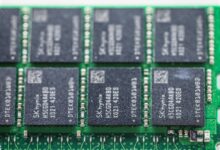
The reason is not weaker demand alone. Component costs are also being pressured by a shortage of memory chips, and manufacturers are moving faster to raise prices in order to protect margins, according to Techno.viva.co.id.
Why lower shipments are not bringing lower prices
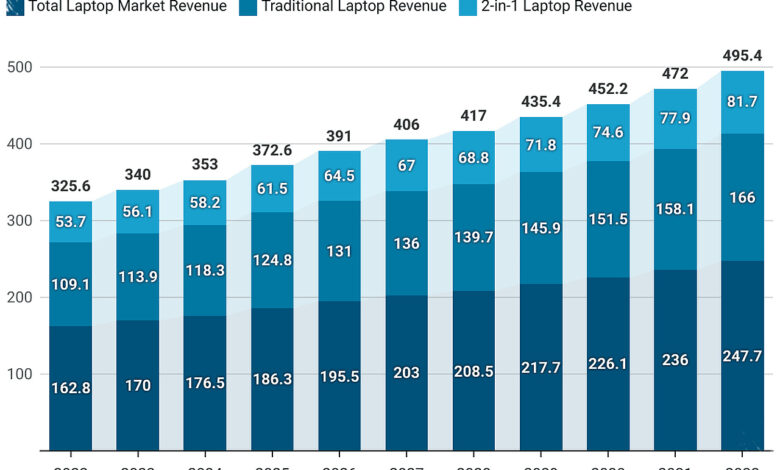
IDC says the decline in shipments does not automatically translate into falling vendor revenue. In many cases, producers are adjusting prices more quickly than the broader slowdown in demand can pull them down.
IDC Research Director for Consumer Devices Jitesh Ubrani said companies are trying to preserve profit as production costs continue to rise. For buyers, that means laptops and PCs can become more expensive even while the market softens.
The pressure on component pricing is expected to last for some time. IDC estimates the shortage of memory chips will continue until early 2028, keeping cost concerns alive across the PC industry.
| Indicator | Q2 2026 | Change |
|---|---|---|
| Global PC shipments | 68.2 million units | Down 4.9 percent YoY |
| Memory chip shortage outlook | Until early 2028 | Cost pressure remains |
AI demand is tightening memory supply
One of the biggest forces behind the squeeze is the rapid expansion of AI development. Large demand from AI data centers is affecting memory availability for the PC industry as well.
At the same time, AI is also moving into consumer computers through on-device AI features that handle some tasks locally. The technology offers better privacy and faster responses, but it has not been enough to offset the higher cost of production.
IDC believes interest in AI PCs is still too weak to balance rising memory prices. That could slow replacement cycles as consumers keep older devices for longer rather than pay more for new ones.
Distributors are also growing concerned about heavy inventories of premium laptops, especially if household spending does not recover fully.
Big vendors still have the strongest position
IDC says supply-chain strength is becoming a key differentiator as the market cools. Large vendors can secure components more easily because of their scale and broader business links.
Lenovo, HP, Dell, Apple, and Asus are seen as having that advantage, including ties to server and other device segments. IDC Vice President for Consumer Devices Jean Philippe Bouchard said companies with strong supply-chain networks will be in a more favorable position as the market weakens.
| Vendor | Q2 2026 Shipments | YoY Change |
|---|---|---|
| Lenovo | 16.6 million units | Down 2.1 percent |
| HP | 13 million units | Down 9 percent |
| Dell | 9.3 million units | Down 5 percent |
| Apple | 6.7 million units | Up 10.1 percent |
| Asus | 5 million units | Up 0.2 percent |
Apple and Asus are the exceptions
Among the five major brands, only Apple and Asus still posted shipment growth. Apple increased 10.1 percent year on year to 6.7 million units, giving it a 9.9 percent market share.
Asus also expanded slightly, rising 0.2 percent to 5 million units. Lenovo remained the market leader, but its shipments still slipped 2.1 percent, while HP fell 9 percent and Dell declined 5 percent.
Overall, the global PC market in Q2 2026 corrected again after nine straight quarters of growth. As long as memory supply stays tight and production costs remain elevated, vendors are likely to keep adjusting prices while strengthening their supply chains.