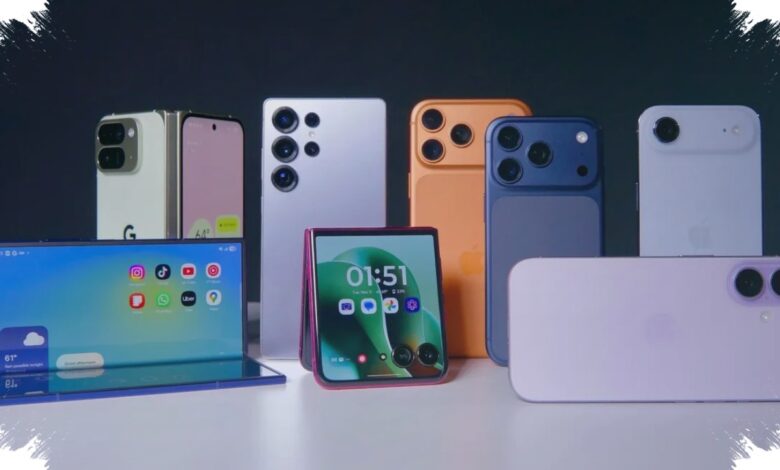
Smartphone competition in July 2026 is being shaped by a different set of priorities. Instead of focusing only on camera resolution and raw chipset speed, brands are now competing on how well AI improves everyday use.
That shift is visible in five devices drawing market attention this month, led by Oppo Reno 16 Series, Nothing Phone (4b), Samsung Galaxy Z Fold 8, Motorola Razr 70 Series, and a new Vivo model that has not yet been officially announced. Energy efficiency and the overall user experience are also becoming more important in the buying decision.
Oppo Reno 16 Series offers the most balanced package
Among the devices mentioned, Oppo Reno 16 Series stands out as the most complete option for general users. It features a 6.32-inch AMOLED display with a 120Hz refresh rate, making daily activities smoother when browsing social media, watching videos, or playing games.
The phone is powered by Snapdragon 7 Gen 4, which shows a clear focus on balancing performance and battery efficiency rather than chasing benchmark numbers alone. That approach fits users who want a dependable all-around device instead of an aggressively spec-heavy model.
Its battery and camera system also strengthen its appeal. Oppo equips the device with a 6,700 mAh battery, 80W fast charging, three 50 MP rear cameras, and a 50 MP front camera for selfies and content creation.
| Model | Display | Chipset | Battery / Charging |
|---|---|---|---|
| Oppo Reno 16 Series | 6.32-inch AMOLED, 120Hz | Snapdragon 7 Gen 4 | 6,700 mAh, 80W |
| Nothing Phone (4b) | 6.7-inch AMOLED, 120Hz | Snapdragon 6 Gen 4 | 5,400 mAh, 50W |
Nothing Phone (4b) leans on design identity
While many brands play it safe with nearly identical designs, Nothing continues to rely on a distinct visual identity. Nothing Phone (4b) is the first model in the B Series to bring Nothing’s transparent design to a more affordable segment.
The new Glyph Bar also returns to preserve the brand’s recognizable look. On the hardware side, the phone offers a 6.7-inch AMOLED 120Hz display, Snapdragon 6 Gen 4, a 50 MP main camera, and a 5,400 mAh battery with 50W fast charging.
The strategy is clear: Nothing is not trying to win by maximum specifications. Instead, it is leaning on a lightweight Android experience and a strong design language to attract users who want something visibly different.
Foldables continue to intensify the competition
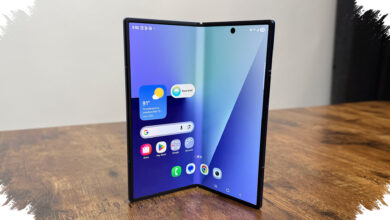
The foldable segment is also becoming more crowded in 2026. Samsung is expected to introduce the Galaxy Z Fold 8 during Galaxy Unpacked at the end of July.
Reports indicate the device will arrive with a wider design and less visible screen creasing. Those changes matter because comfort remains one of the biggest challenges for foldable phones.
Samsung is also said to be strengthening its integrated AI features for multitasking. That combination of a large screen and AI could help with document management, translation, note-taking, and other mobile productivity tasks.
Motorola Razr 70 Series takes a different route with its compact clamshell design. The format gives users a more premium smartphone experience in a device that is easier to carry when folded.
Vivo is still holding back its final card
Beyond the larger players, Vivo is also expected to release a new device targeting the mid-range to premium segment. The company has not yet revealed official specifications, but the upcoming model still attracts attention because Vivo has a strong reputation in mobile photography.
As the details remain unconfirmed, buyers still need to wait for an official announcement to learn the full specifications, pricing, memory options, and software update support.
AI has become the main battleground
Techno.viva.co.id notes that smartphone competition in 2026 has already moved away from pure hardware races and toward AI-driven experiences. Features such as automatic photo editing, real-time translation, information management, and productivity assistance are becoming more valuable to users.
AI is also becoming more important in camera performance, since photo quality no longer depends on the sensor alone. For that reason, buyers are being advised not to focus only on megapixels, RAM size, or battery capacity.
Software update support, system stability, after-sales service, and the real usefulness of AI features are now part of a phone’s long-term value. The direction of the market suggests that the next winners will be the brands that make AI genuinely useful in everyday life.