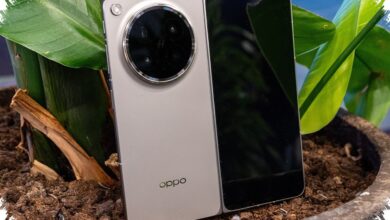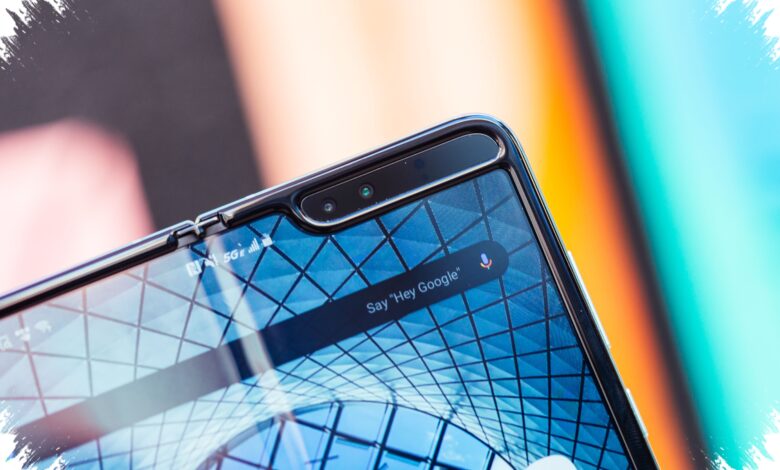
The crease on a foldable phone display is not just a cosmetic detail. It remains one of the clearest signs that the technology is still balancing flexibility with durability, especially on clamshell models that are already on sale.
For users drawn to compact devices with AI features, the line across the main screen can still be a concern because it comes from the physical structure behind the panel. The challenge is simple in theory but difficult in practice: the display must bend repeatedly and still keep its shape over time.
Why the crease keeps showing up
In foldable displays built with Ultra-Thin Glass, the center line is not surprising. Manufacturers have to stack multiple thin layers to make repeated folding possible, including a polyimide substrate, OLED organic layers, touch sensors, optical adhesive, and a plastic protective layer.
The problem is that the plastic support layer under the OLED can deform permanently after long-term pressure from the hinge. As that happens, the middle line becomes more noticeable with age.
A different approach from the panel lab
The consumer versions on the market still carry that limitation, but panel makers are testing another route. techno.viva.co.id reported that Samsung Display has shown a foldable OLED prototype that is said to eliminate the crease.
The key change is the replacement of the plastic support material with a metal plate reinforced by special laser cutting. The design is intended to spread pressure more evenly so the panel can return to a flatter shape after folding.
| Aspect | Current Foldable Panels | New Prototype |
|---|---|---|
| Support material | Plastic | Metal plate with laser cutting |
| Main issue | Permanent deformation and crease | Designed to reduce folding marks |
| Effect on panel shape | Crease becomes more visible over time | Pressure is distributed more evenly |
What this means for buyers
For anyone considering a clamshell foldable soon, the crease is best understood as a visual and tactile comfort issue, not proof that the display is failing early. The article states that the fold line does not reduce visual quality, does not interfere with touch input, and does not shorten functional lifespan.
That makes the decision to buy now or wait largely a matter of priority. If a perfectly flat screen is a must, waiting for wider adoption of the metal-plate approach may be the more sensible choice.
For users who need a compact phone for daily productivity, the current clamshell lineup in 2026 still offers a dependable experience. The crease has not disappeared yet, but progress at the panel level suggests that a smoother foldable future is now within reach.