


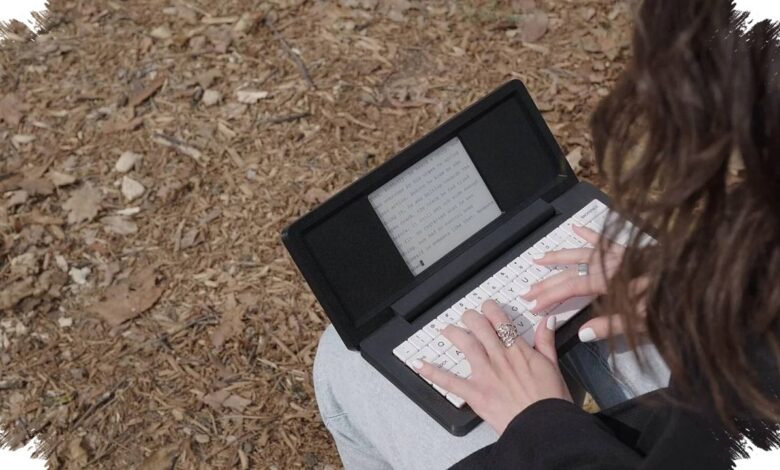
Tablets are gaining fresh momentum in 2026 as more users begin treating them as everyday work devices rather than secondary screens. The appeal is straightforward: lighter hardware, easier portability, and a setup that now handles far more than casual entertainment.
The shift is not driven by design alone. Faster processors, external keyboard support, stylus input, multitasking modes, and a more mature app ecosystem have given tablets a stronger role in daily productivity.
Mobility Is Now a Serious Advantage
For many users, the biggest reason to move away from a laptop is simple convenience. Tablets are easier to carry between the office, campus, or travel schedules because they are more compact and less burdensome.
That portability also changes how people work throughout the day. Quick access to documents, meetings, and notes becomes easier when a smaller device can cover a large share of routine tasks.
AI and Cloud Services Expand the Use Case
Newer tablets are increasingly equipped with AI features that can summarize documents, create automatic notes, translate language, and support video meetings. Those tools make the category more relevant for students and professionals alike.
Cloud services have also changed expectations. Documents are easier to reach across devices, which means presentations, spreadsheets, and video conferences can now be handled directly from a tablet without relying entirely on a laptop.
Techno.viva.co.id noted that this shift is happening even as the global tablet market is not surging dramatically. Omdia reported that global tablet shipments in the first quarter of 2026 were around 37 million units, with growth remaining relatively modest.
Laptops Still Hold the Upper Hand for Heavy Work
Tablets are not replacing laptops across every category. Tasks such as programming, professional video editing, 3D design, engineering simulation, and large-scale data analysis still feel more natural on a laptop.
Where tablets are proving strongest is in day-to-day productivity. They are well suited for presentations, document management, reading references, virtual meetings, and creative work that benefits from a stylus.
Consumers Are Buying for Function, Not Just Specs
The buying trend in 2026 also reflects a broader change in priorities. Battery life, light weight, AI support, accessory compatibility, and cloud integration are becoming more important than chasing the highest specifications.
After the major PC buying cycle of earlier years cooled down, users became more selective about what they actually need. For many people who mainly use office apps, video calls, note-taking, and digital documents, a tablet is now enough for most daily demands.
| Aspect | Tablet | Laptop |
|---|---|---|
| Mobility | Lightweight and easy to carry | Bulkier and less compact |
| Daily productivity | Good for documents, presentations, virtual meetings, and stylus use | Still strong for general work |
| Heavy workloads | Less ideal for demanding computing | Better for coding, video editing, 3D work, and large data analysis |
With a more complete app ecosystem and features that continue to improve, tablets in 2026 are no longer seen only as a second device. For a growing number of users, they now cover enough of the laptop’s role to become the primary choice for everyday work.