


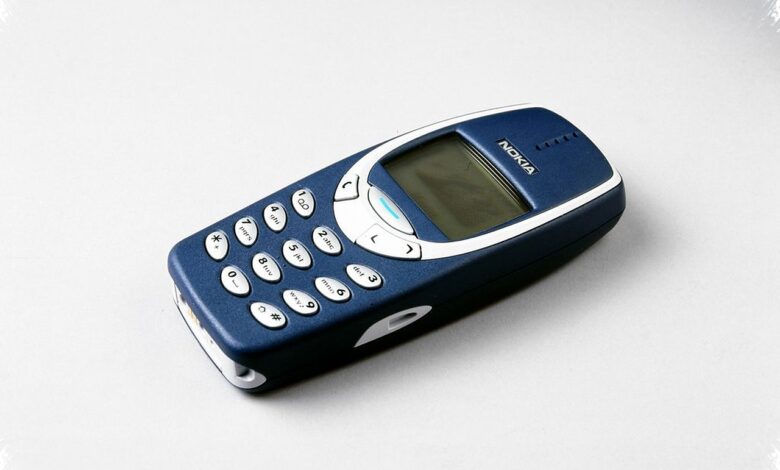
Before smartphones took over, Nokia phones carried a kind of status that was hard to ignore. Models such as the Nokia 1100, 3310, and 6600 were not only functional devices but also cultural markers of an era when durability mattered more than design trends.
For many users, owning one of these handsets felt like a sign of confidence and relevance. Today, they are remembered less as old gadgets and more as devices that helped define the mobile phone market at its peak.
Nokia 1100 and its record-setting reach
Among Nokia’s most famous models, the Nokia 1100 stands out as the best-selling mobile phone of all time. It sold 250 million units worldwide and was aimed at emerging markets with a simple set of core functions.
Its appeal came from two qualities that users valued most at the time: toughness and long battery life. Those strengths helped the Nokia 1100 remain one of the most recognizable names in mobile phone history.
| Model | Main Note | Key Strength |
|---|---|---|
| Nokia 1100 | 250 million units sold worldwide | Tough build and battery life |
| Nokia 3310 | Legendary in its era | Sturdy design and innovative features |
| Nokia 6600 | Iconic with a distinctive design | Became a favorite for many users |
Why the Nokia 3310 and 6600 also mattered
The Nokia 3310 reinforced the brand’s reputation with a reputation for being extremely durable. Its solid build and features that were considered innovative at the time kept it memorable long after its release.
The Nokia 6600 added another layer to Nokia’s image through its unusual design. It became a favorite for many people and helped complete the lineup of phones that were instantly recognizable.
The moment Nokia controlled nearly half the market
Nokia’s dominance became especially clear in 2007, when the company held 49.4% of the global mobile phone market. That figure reflected a level of control that few technology brands have ever matched.
As the smartphone era began, Nokia gradually shifted its focus toward telecommunications infrastructure. Its position in the phone market changed after that transition, and the company no longer held the same dominance.
Even without producing phones today, Nokia’s legacy remains strong among long-time users. Its older handsets continue to attract collectors and serve as reminders of a time when a simple phone could make its owner feel ahead of everyone else.