


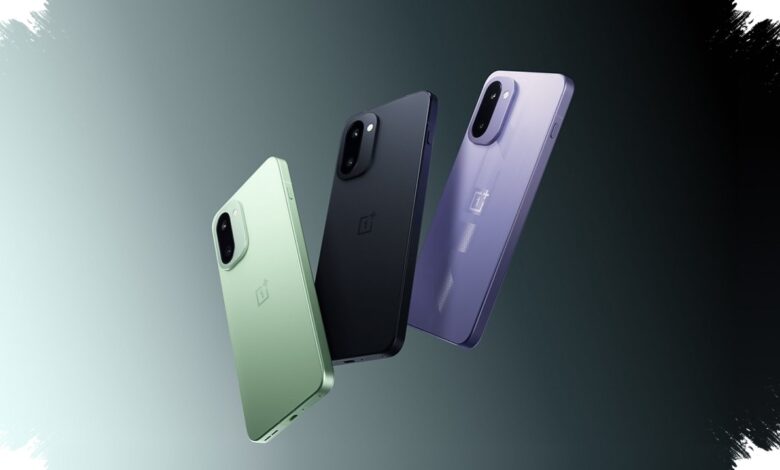
OnePlus is showing clear signs of a major retreat from Western markets, with reports indicating a broader pullback from both the United States and Europe. The shift would mark the end of more than a decade of presence in those regions if the plan is fully carried out.
What stands out most is how quickly the company’s retail footprint is shrinking. On OnePlus Germany’s official site, only the OnePlus 15R remains available, while the OnePlus 15 and the entire Nord series have disappeared from the product list.
The same pattern has been reported across several European countries at the same time. Italy, Spain, France, Austria, Belgium, the Netherlands, the Czech Republic, Denmark, Sweden, and Norway are among the markets named in the reports.
| Region | Product Still Listed | Removed Products |
|---|---|---|
| Germany | OnePlus 15R | OnePlus 15, all Nord series models |
| Several European countries | — | OnePlus 15, all Nord series models |
This kind of simultaneous inventory reduction is usually read as a sign of a staged market exit. Because the change is happening across multiple countries at once, it is difficult to dismiss it as a routine stock adjustment.
Software Strategy Is Also Changing
The changes are not limited to hardware availability. Gizmochina reported on 3 July 2025 that OxygenOS will be discontinued entirely, with future OnePlus and Realme devices moving to Oppo’s ColorOS.
That would represent a major consolidation under BBK Electronics. A shared software platform can reduce development costs, simplify technical support, and strengthen Oppo’s position as the lead brand inside the group.
For long-time OnePlus followers, the move would carry more than operational meaning. OxygenOS has long been a core part of the brand’s identity, especially because of its lightweight look and closer resemblance to stock Android.
Why the Pullback Makes Strategic Sense
The US and European smartphone markets are among the toughest in the world, with Apple and Samsung dominating a large share of consumer attention. That leaves limited room for brands such as OnePlus to expand meaningfully.
At the same time, Oppo, Vivo, and Realme all sit under the BBK Electronics umbrella, and their market positions often overlap. In that context, OnePlus and Oppo have become increasingly difficult to separate, making a narrower brand strategy more efficient.
Another factor is the continued importance of Asia and India, where OnePlus still has stronger business momentum. With finite resources, the company appears to be prioritizing regions that may offer better returns instead of fighting a costly battle in the West.
What It Means for Current Owners
For existing OnePlus users, the reports do not mean their phones will suddenly stop working. Software support is expected to continue according to warranty schedules, and after-sales service should remain in place even if service networks become smaller over time.
Buyers looking for new units, however, may face a very different situation. In the US and Europe, OnePlus options are likely to become increasingly limited unless customers turn to third-party importers, which often charge more and usually do not include local warranty coverage.
Oppo Is Ready to Fill the Gap
Oppo is already established in Europe through operator partnerships in France, Italy, and Spain, along with official stores in some markets. That gives the company a foundation to expand if OnePlus steps back further.
If the transition continues, Oppo is expected to fill the premium space with new devices that may still share hardware similarities with OnePlus models. The difference would come in branding and software, with Oppo and ColorOS taking the lead.
For the market, that could mean a relatively smooth hardware transition but a very different software experience. For OnePlus, it would be the biggest change since the brand became widely known as a serious flagship challenger.
If the reports prove accurate, the OnePlus name may slowly fade from Western shelves while its devices live on under a different identity. In that scenario, the real story is not just a product reduction, but a deeper shift in how BBK Electronics organizes its smartphone brands.