


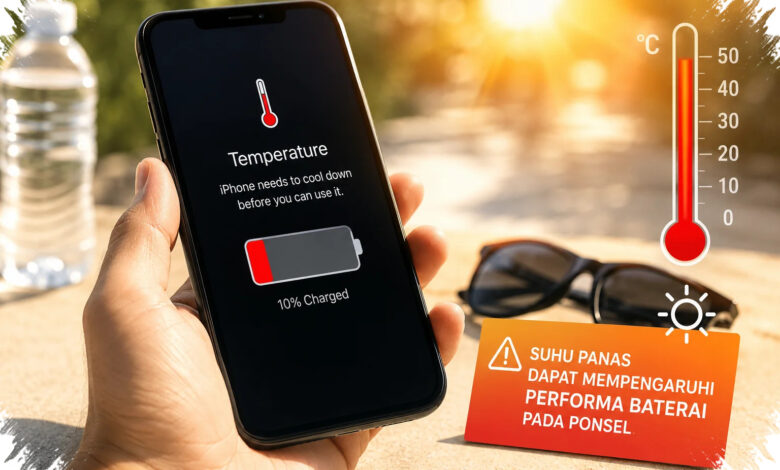
A phone that becomes too hot should be allowed to cool down gradually rather than being placed in a refrigerator or freezer. Apple and Samsung advise users to turn off the screen, remove the case, and place the device in a shaded area with good airflow.
Quick cooling may seem like an easy response during extreme heat, but it can create a more serious problem inside the device. A sudden shift from high heat to very low temperature can expose internal parts to moisture and physical stress.
Why Refrigeration Creates a Risk
When a hot phone enters a very cold space, humid air around the device can cool rapidly and turn into condensation. Moisture can settle in the charging port and speakers, or reach areas behind the casing.
The risk can continue after the phone is removed from the refrigerator. As the device returns to room temperature, further condensation may form and lead to corrosion or an electrical short circuit.
This makes Phone Condensation particularly concerning because it may affect areas that are not immediately visible. A device can appear normal on the outside while moisture has reached sensitive internal components.
| Cooling Issue | What Causes It | Possible Result |
|---|---|---|
| Condensation | Humid air cools sharply around a hot device | Moisture can reach ports, speakers, and internal parts |
| Thermal Shock | The device moves abruptly from heat to extreme cold | The screen, glass, adhesive seals, and battery may be affected |
| Return to room temperature | New condensation can form as the device warms again | Corrosion or an electrical short circuit may occur |
Sudden Temperature Changes Can Harm Hardware
Cold exposure does not only create moisture. Thermal Shock can place sudden stress on the phone’s materials and may crack the screen, damage the glass, or weaken adhesive seals that hold components in place.
The battery may also sustain permanent effects from extreme temperature changes. Moving a device to a cold location does not remove the underlying danger posed by a faulty battery.
Jamie Farnell, who owns an electronics repair shop in Wem, England, told the BBC that many devices arrive with damage linked to condensation or internal moisture. He also said an iPad exploded in his shop during a heatwave because its battery had already swollen.
The incident illustrates why an overheating device should not be treated as harmless simply because it is being cooled. A swollen battery remains dangerous even when the device is moved away from a hot environment.
Rice Is Not a Reliable Fix
Farnell compared the refrigerator habit with the longstanding practice of placing a wet phone in rice. Rice cannot draw liquid out of the sealed internal sections of a device.
It can instead introduce dust and starch particles into the charging port and speakers. A remedy that appears simple may therefore add another source of damage.
For Phone Overheating, the safer approach is to keep the device away from direct sunlight and let it cool naturally. There is no need to use a refrigerator or freezer to force the temperature down.
Allowing a phone to cool in a shaded and ventilated location reduces the risk associated with abrupt temperature changes. It also avoids exposing the device to the moisture that can form during rapid cooling.