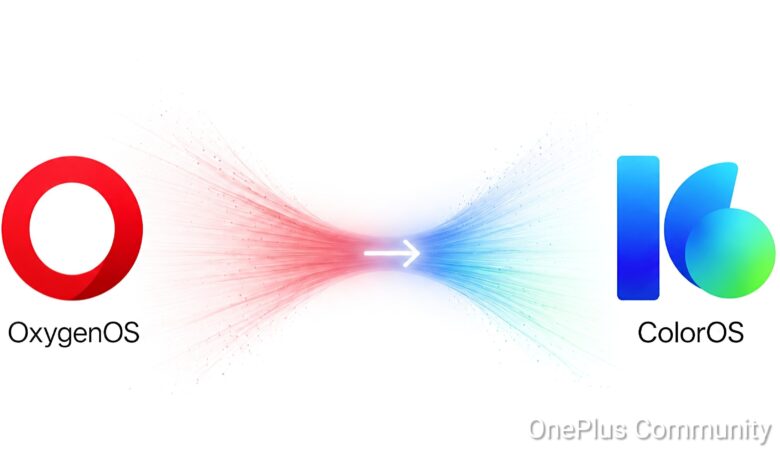
OnePlus users may soon have to choose between a familiar interface and continued software support. The company is moving its active devices toward ColorOS 17, while future security updates, bug fixes, and technical support are expected to focus on that platform.
The transition will not immediately force users to abandon OxygenOS. However, staying on the older system could mean missing security patches and later optimisations as OnePlus concentrates development on a single software platform.
A Broader Move Beyond Flagship Phones
The stated eligibility list covers 22 OnePlus phones and tablets across several product categories. It includes the foldable OnePlus Open, flagship models from the OnePlus 11 through the OnePlus 15 range, Nord devices, and OnePlus Pad tablets.
| Category | Eligible devices |
|---|---|
| Flagship | OnePlus Open, OnePlus 15, OnePlus 15R, OnePlus 13, OnePlus 13R, OnePlus 13s, OnePlus 13T, OnePlus 12, OnePlus 12R, OnePlus 11 |
| Mid-range | OnePlus N6, OnePlus Nord 6, OnePlus Nord CE 6, OnePlus Nord CE 6 Lite, OnePlus Nord 5, OnePlus Nord CE 5, OnePlus Nord 4 |
| Tablets | OnePlus Pad 4, OnePlus Pad 3, OnePlus Pad 2, OnePlus Pad Lite, OnePlus Pad Go 2 |
The inclusion of Nord phones shows that the software unification is not limited to premium devices. Tablets are also part of the same plan, positioning ColorOS 17 as a cross-category software foundation for supported OnePlus products.
OnePlus 10 models and older devices are not included in the stated list. That distinction leaves newer supported products at the centre of the company’s planned software transition.
What Changes With ColorOS 17
ColorOS 17 is based on Android 17 and is described as having a more colourful appearance, more features, and more complex animations. Those changes could be especially noticeable for long-time OnePlus users accustomed to a lighter and faster interface.
OxygenOS has traditionally been associated with an experience closer to stock Android. ColorOS, by contrast, has an interface more familiar to users of Oppo and Realme devices.
The two systems have shared core code for years, yet they have retained distinct interface identities. For OnePlus, OxygenOS was once an important differentiator rather than merely a different name for the same software base.
Why OnePlus Is Consolidating Its Software
In an official post on the OnePlus Community, the company confirmed ColorOS 17 as the single software platform for active OnePlus devices. OnePlus said consolidation can simplify software development, speed up update releases, and improve software quality.
Maintaining one codebase is also expected to make engineering resources more efficient. The strategy follows a wider software integration direction within the group that includes OnePlus, Oppo, and Realme.
Realme UI had previously been absorbed into ColorOS. OnePlus is now following the same path, making the change more significant for users who saw OxygenOS as part of the brand’s identity.
Support May Decide the Transition
Users who delay the update will still be able to use OxygenOS for a time. The practical concern is that bugs may no longer be addressed and new security protections may not arrive once support shifts fully to ColorOS 17.
The transition therefore involves more than a visual redesign or access to additional features. Its long-term effect will depend on whether ColorOS 17 can provide an experience compelling enough to replace the appeal of OxygenOS.