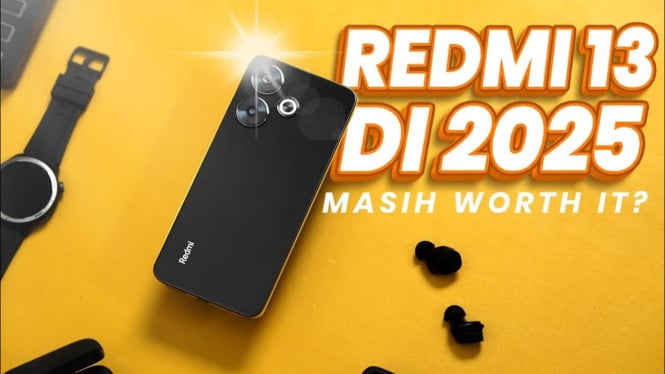
Looking for an affordable smartphone that doesn’t compromise on quality? The Redmi 13 remains a strong contender in 2025, especially with its price dropping to around $110 for the 8GB RAM and 128GB storage variant. Despite the highly competitive entry-level market, this model stands out by offering premium features at a budget-friendly price.
Priced attractively at approximately $110 for the 8GB/128GB version and about $123 for the 8GB/256GB option, Redmi 13 leverages a powerful MediaTek Helio G91 Ultra chipset. This makes it one of the best-performing devices in its segment. The price reduction has significantly increased its value, making it a compelling choice for consumers who want more without paying more.
Key Strengths of Redmi 13 in 2025
The Redmi 13 boasts a standout feature in its 108-megapixel main camera, a rare offering in smartphones under $150. This camera includes a 3x in-sensor zoom, delivering photos with natural colors and impressive dynamic range. The high-resolution mode produces sharp and detailed images, setting it apart from many competitors.
In addition to its primary camera, the device’s selfie camera is equipped with a soft light ring, ensuring quality photos even in low-light situations. For users focused on photography, this feature adds considerable value at an affordable price point.
On the software side, Redmi 13 operates on HyperOS, a lighter and more efficient system compared to previous MIUI versions. Users benefit from smooth multitasking without noticeable lag, a notable feat for an entry-level device.
The smartphone features a 6.7-inch Full HD+ display with a 90Hz refresh rate. This combination allows for smooth scrolling and a pleasant viewing experience. Its modern punch-hole camera and thin bezels maintain a contemporary look. With a typical brightness level of 410 nits, the screen remains usable under bright outdoor lighting conditions.
Battery life is another highlight. Redmi 13 includes a sizeable 5,300mAh battery—300mAh larger than its predecessor Redmi 12. The efficient Helio G91 Ultra chipset helps extend battery life, making the phone well suited for all-day use. Additionally, 33-watt fast charging lets users fully recharge the battery in about 63 minutes, which is impressively fast for this price category.
Additional premium features increase the phone’s appeal. These include NFC for contactless payments, infrared blaster, a 3.5mm headphone jack, and a side-mounted fingerprint sensor. Its IP53 certification ensures some resistance against dust and light water splashes, a refreshing bonus in a budget device.
Considerations Before Buying
While Redmi 13 offers many strengths, it does come with some compromises. The phone uses eMMC 5.1 storage instead of faster UFS technology, which may slightly affect load times but remains adequate for everyday tasks.
The hybrid SIM slot means users must choose between using two SIM cards or one SIM card plus microSD storage expansion. Also, the absence of an ultrawide camera limits wider angle shots, requiring manual adjustments during photography.
The glossy finish tends to attract fingerprints quickly, especially on the black color variant. Moreover, the Helio G91 Ultra chipset, while competent for most daily uses, may struggle with demanding games like Genshin Impact, indicating it’s not designed for hardcore gaming.
Why Redmi 13 Is Still Popular
Redmi 13’s combination of features such as a 108MP camera, long-lasting battery, efficient HyperOS, and comprehensive connectivity options strongly contribute to its continued popularity in 2025. This balance of affordability and functionality helps it remain a top choice in the price-sensitive smartphone market, particularly for those seeking solid performance without a heavy investment.
As more consumers look for value-packed devices, Redmi 13 demonstrates that a sub-$150 smartphone can still deliver a premium user experience in 2025, maintaining its position as a bestseller among entry-level phones.