


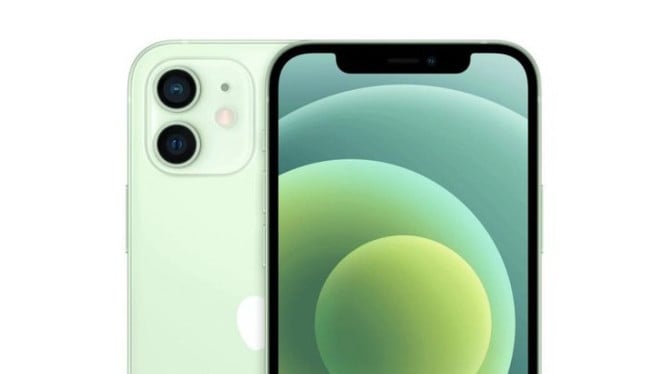
iPhone 12 in 2025: A Simple Smartphone with Varied Prices Starting at Around $200
The iPhone 12 remains a relevant choice for smartphone users in 2025. Pricing starts at approximately 3.3 million Indonesian Rupiah (about $200) for the eSIM WiFi-only version. Meanwhile, units sold through official resellers like ex-iBox reach around 6.3 million Rupiah (about $380), offering better signal reliability.
The large price gap reflects users’ varied needs. If you have another phone for tethering, the WiFi-only model offers a budget-friendly way to enter the Apple ecosystem. This allows users to get an iPhone with a lower investment while sacrificing cellular connectivity.
Timeless Design and Compact Display
The iPhone 12 features a flat body with a boxy camera frame. Although the notch at the top of the screen is considered outdated by 2025 standards, the overall design still feels fresh and far from old-fashioned. At 164 grams and a 6.1-inch display, the phone remains lightweight and comfortable for daily use.
Its compact screen size is in contrast to the trend of larger smartphones seen in Android devices. However, the iPhone 12’s 60Hz refresh rate is modest compared to many Android phones, which offer 90Hz to 120Hz even in lower price ranges. Still, smooth scrolling is maintained smoothly thanks to iOS optimization. Thin bezels complement the design despite the relatively wide notch.
Performance Suitable for Most Users
Powered by Apple’s A14 Bionic chipset, the iPhone 12 still handles popular games like Mobile Legends on ultra settings without lag. The maximum frame rate appears capped at 60 FPS due to the screen rather than the processor’s limitations. With 4GB of RAM, iOS manages multitasking efficiently, offering smooth performance for everyday tasks.
Users who do not engage in heavy gaming will find the phone responsive and capable for years to come. Even in 2025, its performance ranks well compared to many Android models in similar price tiers.
Battery Life Remains a Weak Point
One disadvantage is the 2,815 mAh battery, which is considered small by modern standards. This capacity may worsen if purchasing secondhand devices due to battery wear. In contrast, many budget Android phones offer batteries around 5,000 mAh, providing longer runtime per charge.
The iPhone 12 shows battery health explicitly, which can cause user concern after months of use. Fast charging is available and fills the battery in about 1 hour and 40 minutes using a 20W charger, but overall daily endurance still lags behind many competitors.
Simple User Interface and Long-Term Software Support
iOS is known for its simplicity and ease of learning, which continues to attract users switching from Android. The system remains light and intuitive, ensuring a smooth user experience even for newcomers.
Moreover, Apple typically offers major iOS updates for 6 to 7 years. The iPhone 12 is expected to support updates until iOS 20, around 2026 to 2027. Extended software support maintains the device’s value and security, making it a smart purchase in the used smartphone market.
Flagship-Level Features Still Present
Despite its age, the iPhone 12 packs many features expected from a flagship device. These include IP68 dust and water resistance, stereo speakers, Apple Pay with NFC, Face ID, a gyroscope, and wireless charging.
The phone lacks some newer innovations like always-on display and the USB-C port seen in newer models. Emergency SOS via satellite and advanced camera port standards are also missing.
Distinctive Camera Quality
The rear dual camera system features two 12MP lenses—wide and ultrawide—that continue to deliver pleasing photos. The front camera also provides 12MP for high-quality selfies. Images retain the characteristic iPhone style: warm colors, natural tones, and minimal over-processing.
Advanced capabilities such as 4K 60 FPS video recording on front and rear cameras remain relevant in 2025. Video output stays impressive, reinforcing the iPhone 12’s multimedia appeal.
Affordable Entry into Apple’s Ecosystem
Overall, the iPhone 12 offers a balanced combination of design, performance, and camera quality at a reasonable entry price point of about $200. Potential buyers should consider battery life as the main limitation, especially when opting for used units.
For those willing to accept that trade-off, the iPhone 12 represents one of the simplest and most accessible options to join Apple’s ecosystem today. Its lasting software support and recent hardware still make it a compelling budget flagship smartphone in 2025.