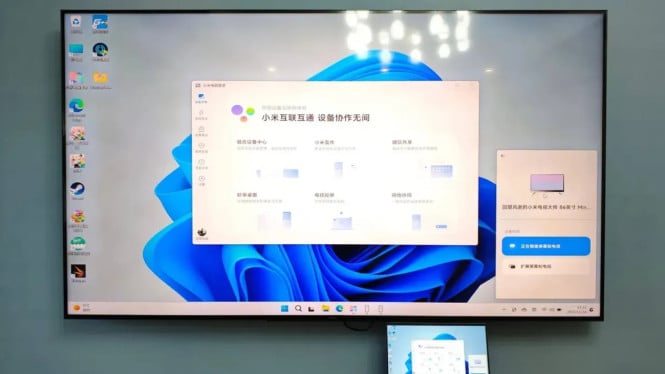
Xiaomi is reportedly developing a new operating system called HyperOS for computers. This system is designed to run Android-based laptops powered by Qualcomm’s Snapdragon X Elite chipset. This move brings Android, traditionally a mobile operating system, into the PC space, targeting users who seek seamless integration across their devices.
The Snapdragon X Elite chipset is key to this effort. It offers high energy efficiency, enabling all-day battery life, alongside instant responsiveness similar to smartphones. The chipset also supports Android 16, which is currently in internal development, ensuring compatibility with the latest apps and features. Although it doesn’t match the performance of Apple’s M4 Max chip, the Snapdragon X Elite focuses on affordability with smooth user experience.
Why Xiaomi Is Positioned to Lead Android on PC
Xiaomi’s advantage lies in its expansive and interconnected ecosystem. Since launching HyperOS in 2023, the company has unified smartphones, tablets, smart TVs, smart home devices, and even electric vehicles under one platform. Introducing HyperOS on laptops would allow:
- Instant synchronization between phone and PC without cables or third-party apps.
- Real-time sharing of notifications, files, and clipboard data.
- Extension of HyperConnect features into productive work settings.
This integration promises a continuous user experience. For example, starting an email on a Xiaomi smartphone and continuing the work on a laptop with the same interface and apps feels natural and efficient.
Key Features and User Experience
HyperOS for laptops is expected to differ from a simple scaled-up mobile interface. Reports suggest Xiaomi aims to provide:
- A desktop layout supporting full multitasking with resizable windows.
- Native support for mouse, keyboard, and touchpad input.
- Integration of light productivity applications similar to Samsung DeX or Huawei HarmonyOS PC.
- A tablet mode for hybrid 2-in-1 devices, enhancing versatility.
This makes the HyperOS laptop suitable for everyday tasks, such as browsing, media consumption, and basic productivity, especially for mainstream users who prioritize battery life, quiet operation, and ease of use over extreme power.
Market Potential and Competitive Strategy
Xiaomi appears inspired by Apple’s ecosystem strategy but targets the mass market with more affordable pricing and a wider range of devices. The company’s global reach, especially in Asia, Europe, and Africa, positions it well to tap into middle-income consumers.
If priced competitively around $550 to $800, Xiaomi’s HyperOS laptop could attract those who want a reliable PC experience without breaking the bank. By linking devices and creating a cohesive ecosystem, Xiaomi hopes to lock in users similarly to Apple but with greater inclusivity.
Challenges Ahead
Despite promising prospects, Xiaomi faces several hurdles:
- Limited desktop-class Android apps remain a concern for professional users who need full-featured software like Photoshop or Microsoft Office.
- Consumer perception of Android laptops as less capable than Windows or macOS machines could slow adoption.
- The project depends heavily on partnerships with Google and Qualcomm, which could be risky if strategic priorities change.
Xiaomi may counter these challenges with a focus on web and cloud apps and by emphasizing ecosystem benefits over raw hardware performance.
Implications for the Future of Computing
HyperOS for computers is more than just launching a new laptop or OS; it marks a significant step in Android’s evolution beyond mobile devices. If successful, Xiaomi’s initiative could redefine personal computing by making Android a viable universal OS platform.
This could intensify competition among major players like Apple, Samsung, and Google, where connectivity and ecosystem integration become decisive factors. Xiaomi’s strength lies in catering to mainstream users through affordability and seamless device interaction rather than chasing ultra-high-end specs.
As Android prepares to enter the laptop market under Xiaomi’s HyperOS banner, the boundaries between smartphones, PCs, and other smart devices continue to blur. This development signals an exciting chapter for personal computing, driven by ecosystem synergies and new hardware innovations.