


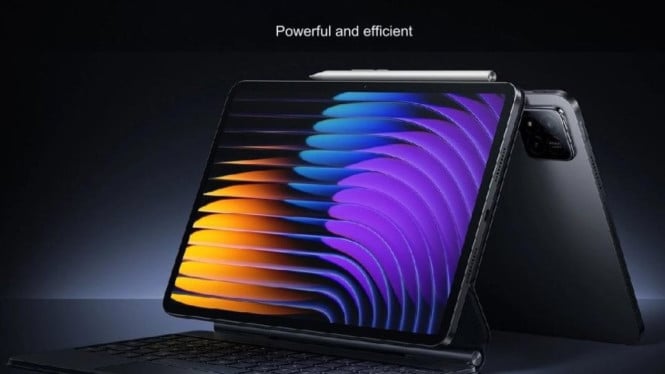
Xiaomi is accelerating the rollout of its latest operating system, HyperOS 3, targeting a wide range of devices globally before the end of November 2025. This update, based on Android 16, promises not just improved security but a completely transformed user experience with a fresh interface, advanced AI features, and enhanced performance. The campaign to update devices marks a significant step in unifying Xiaomi’s ecosystem under a smarter and smoother OS.
The first device to receive the stable version outside China is the Xiaomi Pad 7, running build OS3.0.2.0.WOZMIXM. The update started its phased distribution globally after launching earlier in China. Xiaomi has confirmed that over 10 additional models, including popular POCO and Redmi lines, will soon join the HyperOS 3 family, making this an important moment for current users to check compatibility and prepare for the upgrade.
HyperOS 3 Features on Xiaomi Pad 7
One hallmark of HyperOS 3 is “Hyperland,” a new interactive area around the front camera similar to Apple’s Dynamic Island. Hyperland displays notifications, media activity, timers, and system controls in a way that enhances multitasking without interrupting the main screen view. This innovation is especially effective on larger screens like tablets, providing a more intuitive experience.
The update introduces a customizable lock screen inspired by iOS 16, with interactive widgets, background images featuring depth effects, and flexible placement for the clock and notifications. These options allow users to personalize their lock screen’s appearance with Xiaomi’s characteristic style. Performance enhancements are also a key focus: Xiaomi states that responsiveness improves by up to 25% due to better memory management, optimized graphics rendering, and reduced latency when switching apps. These improvements support demanding tasks such as gaming and multi-window operations.
Another significant addition is expanded AI capability. HyperOS 3 integrates AI-powered tools including:
- AI Writing Assistant to craft messages, emails, and notes using natural language styles.
- AI Translation enabling real-time translation in chats, browsers, and documents, even offline.
These AI features operate on-device to protect user privacy without needing cloud connectivity.
How to Check and Install HyperOS 3 on Xiaomi Pad 7
Since updates are released gradually, users may not see the notification immediately. To verify manually, follow these steps:
- Open Settings.
- Scroll to About tablet.
- Tap Check for updates.
If available, you can download and install build OS3.0.2.0.WOZMIXM. Xiaomi recommends the following before installation:
- Charge battery at least 50%.
- Connect to a stable Wi-Fi network.
- Ensure about 6 GB free storage space.
Devices Scheduled for HyperOS 3 Update by November 2025
Xiaomi has officially confirmed the following smartphones and foldables will receive HyperOS 3 in the coming weeks:
Smartphones & Foldables:
- Xiaomi MIX Flip
- POCO F7 Pro
- POCO F7
- POCO X7 Pro
- POCO X7 Pro Iron Man Edition
- POCO X7
- Redmi Note 14 Pro+
- Redmi Note 14 Pro 5G
- Redmi Note 14 Pro
- Redmi Note 14
Previously updated models include:
- Xiaomi 15 Series
- Xiaomi 15T Series
- POCO F7 Ultra
- Xiaomi Pad 7 Pro
This nearly completes the HyperOS 3 adoption for Xiaomi’s main 2025 lineup, reinforcing the company’s commitment to faster OS upgrades worldwide.
Why HyperOS 3 Is Called Xiaomi’s Smoothest OS Yet
HyperOS 3 is more than a surface redesign on Android 16. Xiaomi has optimized the kernel for a broad range of devices, from mid-range to flagship. Intelligent power management extends battery life, while tighter ecosystem integration links phones, tablets, laptops, and IoT devices seamlessly. Despite design cues from iOS — such as the lock screen and Hyperland — HyperOS 3 preserves Android’s speed, flexibility, and user control, making it a well-crafted adaptation rather than a clone.
User Expectations and Challenges
Despite excitement, some users worry about patch rollout delays in certain countries, potential early bugs especially on mid-range devices, and app compatibility with the new Hyperland interface. However, initial feedback from Xiaomi Pad 7 and Xiaomi 15 series users confirms the OS is stable, fast, and minimally disruptive. Xiaomi supports this transition with direct feedback channels via the Mi Community app to address any issues promptly.
For Xiaomi owners, HyperOS 3 represents a foundational upgrade that reshapes the entire product ecosystem experience. Whether on the Xiaomi Pad 7 competing with iPad and Galaxy Tab or the Redmi and POCO smartphones, this update signals a new era of smarter, faster, and more aesthetically refined interactions. If you haven’t received the update notification yet, check your device manually and get ready to enjoy one of Xiaomi’s most polished OS releases to date.