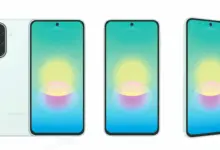
Xiaomi is set to revolutionize its future smartphones and tablets with full-screen fingerprint scanning technology and advanced LTPO displays. These innovations were showcased by Tianma Microelectronics at the Global Innovation Conference 2025, indicating a leap forward in user authentication and display efficiency.
The full-screen fingerprint sensor allows users to unlock their devices by touching any part of the screen. This technology integrates an area-wide optical fingerprint scanner, adaptive color sensors, and real-time OLED health monitoring to create a highly responsive and secure interface.
This new display acts not only as a visual output but as an active environmental sensor. It automatically adjusts brightness and color temperature based on surroundings, enhancing user comfort while maintaining consistent screen quality over time. This feature also mitigates risks such as OLED burn-in, extending the lifespan of the screen.
Xiaomi plans to implement this technology in several upcoming models, including the Xiaomi 16 series, Redmi K80 Ultra, and the Xiaomi Pad lineup. According to Xiaomi Time (November 19, 2025), the combination of full-screen fingerprint recognition and dynamic color adjustment will provide more intuitive and safer user experiences.
In addition to this, Tianma introduced the LTPO 3.0 Pro driver circuit, known as the “Luban Driver,” which optimally balances refresh rates and power consumption. This innovation facilitates ultra-thin bezels while delivering precise pixel control, crucial for Xiaomi’s flagship devices that strive for sleek aesthetics and high performance.
The LTPO 3.0 Pro helps prolong battery life without sacrificing display smoothness. It manages refresh speeds intelligently for various usage scenarios, improving energy efficiency and maintaining premium display quality during extended device use.
Another major development is Tianma’s Tiangong panel, featuring a wide color gamut created with new blue and green fluorescent materials. This technology achieves up to 96 percent of the BT.2020 color space, offering exceptionally accurate color reproduction. It is particularly advantageous for professional multimedia and entertainment applications found in Xiaomi Pad and Xiaomi T series devices.
These display innovations are complemented by Xiaomi’s HyperOS 2 and AI-based display algorithms. This holistic approach enhances everyday activities like gaming, video streaming, and professional content creation by improving visual fidelity, responsiveness, and power management.
1. Full-screen fingerprint sensing on the entire display area
2. Adaptive color temperature control responding to ambient light
3. Real-time OLED health monitoring to reduce burn-in
4. LTPO 3.0 Pro technology for efficient refresh rate scheduling
5. Ultra-thin bezels with precise pixel-level control
6. Tiangong wide-gamut color panel for vivid and accurate colors
7. Integration with HyperOS 2 and AI display optimizations
By integrating these technologies, Xiaomi aims to strengthen its position in the premium device segment. The collaboration between Tianma and Xiaomi signals a new era of smart devices that prioritize security, energy efficiency, and high-quality visual experiences in a stylish package. Users can expect these advancements to arrive soon and redefine standards in smartphone and tablet displays.