


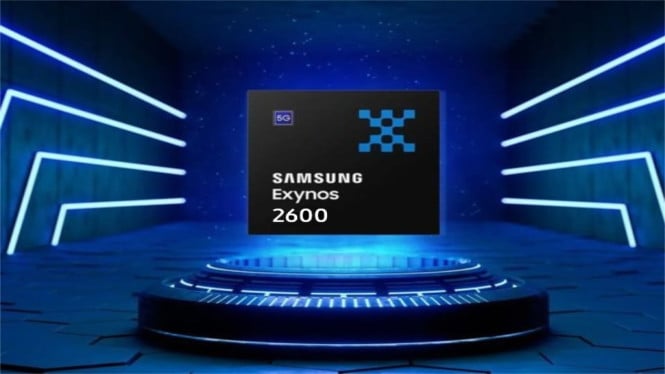
Samsung is set to shake up the semiconductor industry with its latest innovation, the Exynos 2600 chipset. This is the company’s first 2nm chip, marking a significant technological milestone aimed at improving energy efficiency and computational power for the upcoming Galaxy S26 series.
The Exynos 2600 does not show drastic improvements on paper, but its real value lies in Samsung’s strategic approach to reclaiming market trust. The Korean tech giant aims to challenge Qualcomm and Apple, long-time leaders in mobile chipset performance, by starting with the European market.
Key Improvements with 2nm Technology
Samsung’s financial reports highlight three main advantages of the 2nm Gate-All-Around (GAA) technology:
- 5% increase in performance
- 8% improvement in power efficiency
- 5% reduction in chip size compared to the previous second-generation 3nm process
These numbers, while modest, are impactful enough to secure a $16.5 billion contract with Tesla for their next-gen AI6 chips. This partnership demonstrates Samsung’s growing credibility beyond smartphones into sectors like AI and automotive.
Exynos 2600 in the Galaxy S26 Series
The Exynos 2600 will power the Galaxy S26 and S26+ models in Europe, with the Ultra variant still using Qualcomm’s Snapdragon 8 Elite Gen 5 globally. This decision revives an old debate over regional chipset differences and whether European users will experience meaningful performance upgrades.
Samsung claims a 60% yield rate for the 2nm chip, which indicates a matured production process ready for mass manufacturing. The company anticipates saving around $30 per device by producing its own chip rather than relying on Snapdragon, potentially lowering material costs in the Galaxy S26 lineup.
Overcoming Past Challenges
Despite optimism, Exynos’ history remains a concern. Previous iterations faced criticism for overheating, poor efficiency, and lagging performance compared to Snapdragon counterparts. Samsung’s choice to use standard ARM Lumex cores instead of custom architectures, unlike Apple and Qualcomm, also raises questions about the peak performance potential of the new chipset.
Still, Samsung views the 2nm Exynos 2600 as a long-term foundation. They prioritize incremental and stable improvements over dramatic but unstable leaps in technology.
Impact on the Korean Chip Industry
If successful, the Exynos 2600 will not only restore Samsung’s reputation in the smartphone market but also strengthen South Korea’s footprint in the global semiconductor industry. The Tesla deal signals that the chip’s benefits extend well into AI applications and electric vehicles, sectors with rapidly growing demand for smaller, more efficient chips.
With advancements in AI, smart gadgets, and EVs, the need for powerful yet energy-efficient semiconductors is critical. Samsung’s 2nm technology places it in an increasingly competitive race at the forefront of this evolving landscape.
Looking Ahead: A New Era for Exynos?
The key question remains: will the Exynos 2600 mark a genuine turning point for Samsung’s chipset ambitions? Or will it repeat the cycle of early excitement followed by disappointment?
Samsung’s confidence is evident, and millions of users and industry analysts alike are watching closely. The Galaxy S26 launch in Europe will be the first real test of whether Samsung can regain its leading edge in mobile chip technology. The broader semiconductor world waits in anticipation for the outcome of this bold move.