


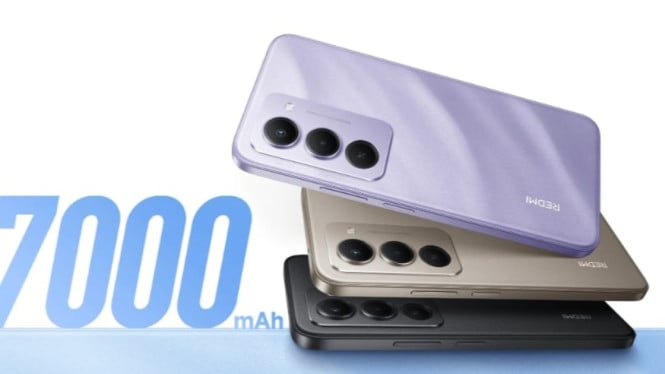
The Nubia V80 Design and Redmi Note 15 both attract attention with their stylish looks and affordable prices. Nubia’s design echoes the premium iPhone 17 Pro, drawing eyes with its sleek camera module. In contrast, Redmi Note 15 uses Xiaomi’s signature square camera module, presenting a neat and elegant aesthetic.
Price differences are notable and key for buyers to consider. Nubia V80 Design is priced around $400 USD, while the Redmi Note 15 is significantly cheaper at about $205 USD. This price gap influences the features and specifications each phone offers.
Display Quality and Design Elements
Nubia V80 Design features a 6.75-inch IPS LCD screen with HD+ resolution and a 120 Hz refresh rate. Its screen brightness reaches up to 1,000 nits, ensuring good outdoor visibility. The phone’s camera module stands out with a raised design reminiscent of high-end models.
On the other hand, Redmi Note 15 sports a slightly larger 6.77-inch AMOLED display with the same 120 Hz refresh rate. The AMOLED panel offers much higher brightness, up to 3,200 nits, delivering vivid colors and deeper contrasts compared to the IPS LCD on Nubia.
Performance: Chipset and RAM Comparison
Under the hood, Nubia V80 Design runs on a Unisoc T7280 chipset fabricated with 12 nm technology. It comes with 8 GB of RAM, expandable dynamically up to 20 GB. This setup handles daily tasks and light gaming efficiently but may struggle with more demanding applications.
Redmi Note 15 is powered by the newer Snapdragon 6 Gen 3 chipset built on an efficient 6 nm process. It also offers 8 GB of RAM but with larger storage at 256 GB. According to Gadget Review ID, this Snapdragon chip provides stable and smooth gaming experiences at this price point.
Camera Capabilities
Both smartphones equip a 50 MP main camera as their highlight. Nubia V80 Design includes macro, depth, and AI-enhanced lenses with an LED flash that improves night photography. Specific details about its front camera remain undisclosed.
The Redmi Note 15 has a 50 MP main shooter paired with a 2 MP depth sensor and also features an LED flash. Typically, Xiaomi includes front cameras ranging between 8 MP and 16 MP, which likely ensures decent selfie quality.
Battery Life and Additional Features
Battery capacity varies, with Nubia V80 Design housing a 5,000 mAh cell that supports 22.5 W fast charging. It comes equipped with NFC for seamless digital payments and a fingerprint sensor integrated into the power button for quick device unlocking.
The Redmi Note 15 offers a bigger 5,800 mAh battery and faster 45 W charging support. An IP66 rating adds water and dust resistance, a feature not mentioned for Nubia. Bonus features on the Redmi include an IR blaster and stereo speakers, enhancing its multimedia appeal.
Final Considerations
Choosing between Nubia V80 Design and Redmi Note 15 hinges on preferences for design, display type, and performance needs. Nubia impresses with its premium-inspired aesthetic and balanced features near the $400 mark. Redmi counters with a brighter AMOLED screen, stronger chipset, larger battery, and supportive extras at roughly half the price.
This matchup underscores how stylish phones can also be budget-friendly in the mid-range market. Consumers who prioritize display brightness and faster charging may lean toward Redmi Note 15. Meanwhile, those drawn to a distinctive iPhone-like look might prefer Nubia V80 Design.