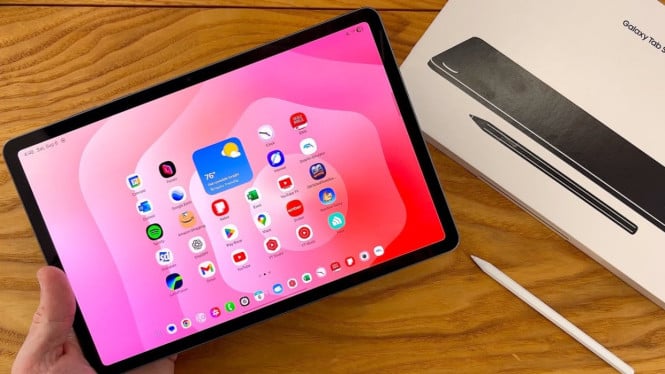
Samsung Galaxy Tab S11 and iPad Gen 11 represent the top-tier choices in the tablet ecosystem wars for 2025. Both devices deliver premium professional tablet experiences but come from very different operating system backgrounds. Consumers aiming for productivity face a key decision: seamless iOS integration or flexible Android customization.
iPad Gen 11 runs on iPadOS, optimized for multitasking with drag-and-drop features and Freeform for team brainstorming. Its synergy with iPhone, Mac, and Apple Watch creates a smooth Apple ecosystem that requires little hassle. On the other hand, Samsung Galaxy Tab S11 uses Android with One UI, which offers high customization and a powerful DeX mode that mimics a desktop environment. The integration with Samsung smartphones and Galaxy devices adds significant value for users invested in the ecosystem.
In terms of raw performance, the iPad Gen 11 leverages Apple’s A16 Bionic chip. This enables smooth multitasking such as running multiple apps side-by-side with no lag. For instance, users can simultaneously create a Keynote presentation and take notes using Apple Notes without performance drops. The Galaxy Tab S11 counters with the MediaTek Dimensity 9400+ chip paired with 12GB RAM. It handles intensive tasks like 4K video editing and browsing dozens of tabs effortlessly. Benchmark-wise, this chipset competes closely with flagship level processors.
Camera capabilities also differentiate the two tablets. The iPad Gen 11 excels with a 12MP ultra-wide front camera positioned for landscape video calls. Its Center Stage feature automatically keeps users centered in frame, enhancing professionalism during conferences. Meanwhile, the Galaxy Tab S11 offers a quality front camera enhanced by Galaxy AI for improved video clarity. Samsung’s auto-framing features lag slightly behind Apple’s but remain very functional for regular use.
Accessory ecosystems and input devices also define user experience. Apple Pencil for the iPad Gen 11 is praised for low latency and high precision. The Magic Keyboard Folio transforms the tablet into a mini laptop with a responsive trackpad, suitable for heavy typing tasks. In comparison, Samsung’s S Pen for the Galaxy Tab S11 boasts a new hexagonal design for better grip, excellent for sketching and note-taking. Unique AI enhancements like Circle to Search enable quick content lookup directly from the screen, adding productivity perks.
Durability and storage options reflect more practical differences. The iPad Gen 11 features premium Apple build quality but does not support expandable storage, compelling users to select internal capacity wisely. Apple’s iOS, however, manages storage efficiently, offsetting this limitation to some degree. Samsung’s Galaxy Tab S11 scores higher in ruggedness with an IP68 rating for dust and water resistance. It also offers a microSD slot supporting up to 2TB expansion, ideal for creators dealing with large raw files.
Key points of comparison include:
1. Operating System: iPadOS (multitasking, Apple integration) vs Android One UI (customization, DeX desktop mode)
2. Processor: Apple A16 Bionic (smooth multitasking) vs MediaTek Dimensity 9400+ with 12GB RAM (powerful for multimedia)
3. Camera: iPad 12MP ultra-wide with Center Stage vs Samsung front camera enhanced by Galaxy AI
4. Accessories: Apple Pencil and Magic Keyboard Folio vs Samsung S Pen with AI features
5. Durability & Storage: iPad premium build without expansion vs Samsung IP68 rating with microSD support
The choice between Samsung Galaxy Tab S11 and iPad Gen 11 hinges on user priorities. If you desire flawless ecosystem integration and superior video conferencing features, Apple remains strong. Conversely, those who prefer flexibility, ruggedness, and expandable storage may lean toward Samsung’s offering. Both tablets push the professional Android and iOS experiences forward for 2025.
As tablet ecosystems evolve, these flagship devices set benchmarks for productivity and hardware innovation. The Galaxy Tab S11 aims to leverage AI and customization within its Android domain. Meanwhile, the iPad Gen 11 solidifies Apple’s position in seamless device interconnectivity. Buyers should evaluate workflows and accessory preferences carefully to determine which ecosystem will reign supreme in their daily tasks next year.