


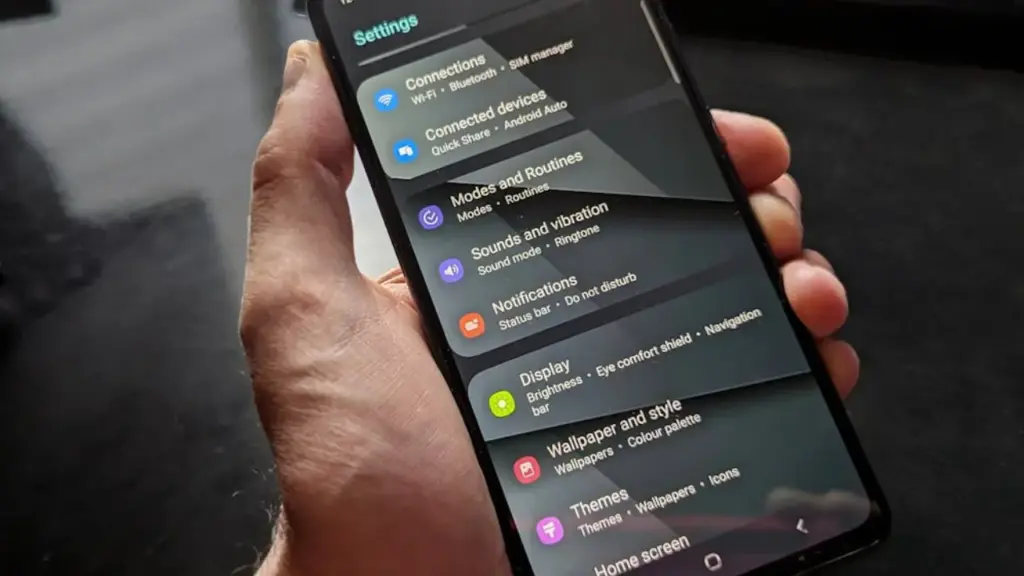
Many Xiaomi users wonder if changing themes causes their battery to drain faster. The answer is not straightforward and depends on several key factors such as the type of display, the complexity of theme animations, and the system architecture like HyperOS.
Display Technology and Battery Impact
The screen technology, particularly whether a device uses IPS LCD or AMOLED, plays a significant role. IPS LCD panels maintain full backlighting regardless of theme colors, so dark themes offer little to no power savings. In contrast, AMOLED screens can turn off individual black pixels completely, drastically reducing energy consumption.
Studies indicate dark-themed wallpapers can cut display power use by 40–60%. Using a static black wallpaper is the most efficient choice for battery conservation on AMOLED-equipped Xiaomi models. Conversely, themes dominated by white tones consume more power, making them less battery-friendly.
Efficiency Improvements in HyperOS 3
Xiaomi’s switch from MIUI to HyperOS 3 introduces major optimizations. This new system improves rendering pipelines and employs a design philosophy focused on resource efficiency. Animations appear smoother, and visual elements have better dynamic management.
However, themes with heavy visual effects, such as deep blur, layered icons, or complex transitions, still strain the CPU and GPU. This can lead to increased power draw, especially for mid-range devices. After major OS updates, background processes like system indexing may also temporarily reduce battery life.
The "Alive Design" feature enables natural animations and adaptive transitions but doesn’t fully eliminate the power drain caused by overly complicated themes. Even devices with modern chipsets can experience higher battery consumption if such themes are used.
Dynamic Wallpapers and Battery Consumption
Among personalization features, dynamic or “Super” wallpapers affect battery life the most. These wallpapers render 3D scenes in real-time which keeps the GPU constantly active. Additionally, sensors like the gyroscope are engaged to support motion-based effects.
This continuous activity can reduce battery life by as much as 10–20% daily. Animated widgets and other dynamic elements further increase CPU load and sensor polling rates. Therefore, users prioritizing battery life should avoid themes with moving visual elements.
Third-Party Themes and Optimization Considerations
Themes crafted by third-party developers offer more variety but vary greatly in quality and optimization. Those with large image files, non-vector icons, or outdated assets force HyperOS to run compatibility modes that consume extra memory and CPU cycles.
For optimal battery performance, Xiaomi recommends simple themes that feature vector icons, a static wallpaper, and predominantly dark colors—especially beneficial on AMOLED screens.
Summary of Key Points Affecting Xiaomi Battery Life
- Screen type: AMOLED benefits from dark themes; IPS LCD does not.
- Theme complexity: Minimal animations and effects save power.
- Wallpaper choice: Static black wallpapers extend battery life significantly.
- System efficiency: HyperOS 3 improves power management but is influenced by theme design.
- Third-party theme quality: Poorly optimized themes can increase energy consumption.
Overall, using themes on Xiaomi devices does not inherently cause battery drain. Battery impact depends heavily on theme design, display type, and system optimization. Choosing lightweight, dark, and static themes enables customization without sacrificing battery endurance. Xiaomi continues to develop HyperOS features to balance rich visual experiences with power efficiency for users.