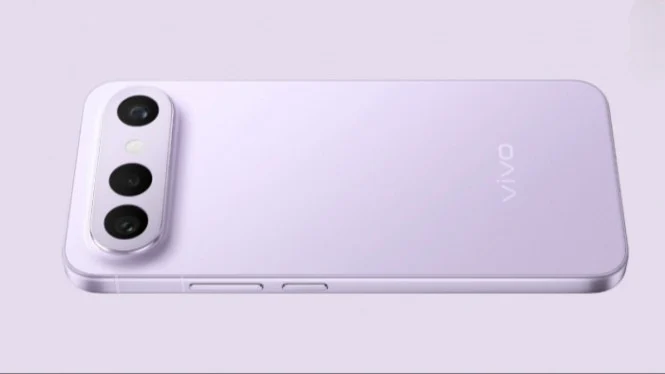
The Vivo S50 Pro Mini, expected to launch in China in December 2025, presents a compelling option in the compact flagship smartphone segment. Known globally as the Vivo X300 FE, this device aims to challenge the highly anticipated iPhone Air by combining powerful hardware with a sleek, modern design.
The rear design of the S50 Pro Mini features a horizontal camera module, visually reminiscent of the iPhone Air’s aesthetic. However, unlike the Air’s simpler single camera setup, Vivo integrates a triple camera system paired with an LED flash. This design choice signals a vision of a “modern flagship in a compact form,” which stands out among other premium smartphones.
Premium Build and Display Features
Vivo emphasizes quality materials, incorporating an aerospace-grade metal frame and a satin-finish back panel created with lithography techniques. According to Vivo’s product manager, this construction not only enhances aesthetics but also improves grip and stability when placed on flat surfaces. The device sports a 6.31-inch OLED screen with a 1.5K resolution and a smooth 120 Hz refresh rate, delivering vivid visuals in a relatively compact size for today’s standards.
In terms of performance, the S50 Pro Mini is powered by the Qualcomm Snapdragon 8 Gen 5 chipset. This powerhouse is combined with LPDDR5X RAM and UFS 4.1 storage, promising top-tier speed and multitasking capabilities essential for intensive gaming and content creation. The phone also comes equipped with a sizable 6,500 mAh battery, supporting fast wired charging at 90 W and wireless charging at 40 W — an unusually robust configuration for a small device.
Hardware Capabilities and Durability
Additional features include dual stereo speakers for immersive sound, a linear X-axis vibration motor for tactile feedback, and an ultrasonic under-display fingerprint sensor. The device also carries an IP68/69 rating, ensuring protection against dust and water, which is vital for durability in everyday use. Together, these specs underline Vivo’s goal of delivering a “true flagship experience in a compact body.”
Advanced Camera System
The rear camera setup is a highlight, consisting of a large main sensor, an ultra-wide lens, and a 50 MP periscope telephoto lens utilizing Sony’s IMX882 sensor. This combination provides versatility for various photography needs, from wide landscapes to detailed zoom shots. On the front, a 50 MP selfie camera promises high-quality video calls and selfies, reinforcing Vivo’s commitment to comprehensive imaging performance.
Comparing Vivo S50 Pro Mini to iPhone Air
If Apple’s forthcoming iPhone Air matches these specifications — premium display, powerful chipset, ample battery, and competitive cameras — the compact flagship market could experience increased competition. The Vivo S50 Pro Mini’s package is compelling: flagship performance, flexible cameras, robust battery life, and a premium design fit into an ergonomic size.
However, hardware alone doesn’t dictate the best user experience. Software optimization, app ecosystems, and user interface design remain critical. This means that Android’s Vivo and Apple’s iOS will continue to offer distinct experiences catering to different user preferences.
The Vivo S50 Pro Mini effectively challenges the iPhone Air’s potential momentum in the compact flagship segment. Still, while it offers a formidable hardware package, determining superiority depends on broader factors like ecosystem loyalty and software experience.
Key Specifications of Vivo S50 Pro Mini
| Feature | Specification |
|---|---|
| Display | 6.31-inch OLED, 1.5K, 120 Hz |
| Processor | Qualcomm Snapdragon 8 Gen 5 |
| RAM & Storage | LPDDR5X RAM, UFS 4.1 storage |
| Battery | 6,500 mAh, 90 W wired, 40 W wireless charging |
| Rear Cameras | Main sensor, Ultra-wide, 50 MP Periscope telephoto (Sony IMX882) |
| Front Camera | 50 MP selfie |
| Additional Features | Dual speakers, X-axis linear motor, Ultrasonic under-display fingerprint, IP68/69 certification |
| Build | Aerospace-grade metal frame, Lithography satin-finish back |
By providing flagship-grade specifications in a small form factor, Vivo’s latest release aims to carve a niche for those desiring powerful yet compact smartphones in late 2025.