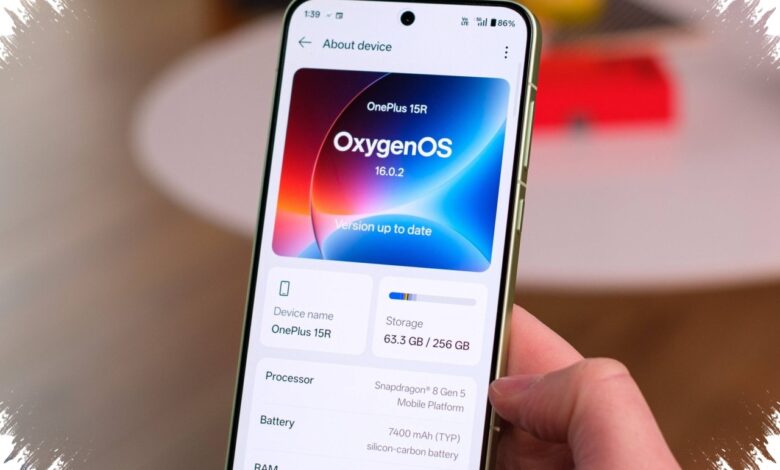
OnePlus and Realme may be heading toward a major software reset as Oppo appears to tighten its grip across the two brands. If the reported plan moves forward, OxygenOS and Realme UI could disappear as standalone identities and be folded into ColorOS.
That shift would matter most for OnePlus users, because OxygenOS has long been known for a lighter and simpler Android experience. Realme users may face a smoother transition, since Realme UI has already been closely aligned with ColorOS for some time.
A broader integration strategy inside Oppo’s group
According to Smartprix, which cited industry sources, Oppo is increasingly moving OnePlus and Realme closer to its main brand structure. The result could be a single Android software base across the three names instead of three separate interfaces.
The reported consolidation would reduce ColorOS, OxygenOS, and Realme UI into one system: ColorOS. For users, that would not just be a branding change, but a significant shift in how the software experience is presented and maintained.
| Brand | Current Software Identity | Reported Direction |
|---|---|---|
| OnePlus | OxygenOS | Could move to ColorOS |
| Realme | Realme UI | Could move to ColorOS |
| Oppo | ColorOS | Could become the only shared platform |
Why OnePlus users may feel the change most
Software has been one of the main ways these brands have differentiated themselves beyond hardware. That is why the possible end of OxygenOS would likely be the most sensitive part of the transition.
OxygenOS has been part of OnePlus since 2014, and it built a reputation for a cleaner and more restrained Android feel. If that identity is absorbed into ColorOS, some longtime users may see it as the loss of a defining feature.
Realme’s position is different because Realme UI already shares much of its foundation with ColorOS. That makes a possible merger of the interfaces less disruptive for Realme owners than for OnePlus customers.
How the integration has already been unfolding
The software move would not be happening in isolation. OnePlus and Oppo agreed in 2021 to use the same software codebase, and OxygenOS was technically merged with ColorOS as part of that process.
OnePlus later confirmed that OxygenOS would share a codebase with ColorOS after its full merger with Oppo. Since then, ColorOS has taken on a larger role in the development process even while the OxygenOS name remained visible on OnePlus phones.
The same direction has also appeared in service operations in India. OnePlus repair and service networks in the country have already been combined with Oppo’s, making standalone OnePlus service centers less common.
What the reported changes could mean for users
If the consolidation becomes official, the biggest question will be whether the user experience keeps any of the distinct character associated with OnePlus and Realme. A shared platform may improve efficiency, but it could also make the software feel more uniform across devices.
For Oppo, the advantage is clear: a single platform can simplify updates, feature maintenance, and ecosystem consistency across more phones. That kind of structure is easier to manage than maintaining three closely related but separately branded interfaces.
At the same time, the report does not say when any of this would happen, or whether the shift would be launched in all markets at once. No official confirmation has been given by OnePlus, Realme, or Oppo.
For now, the reported direction points toward a future where OnePlus and Realme rely on ColorOS more directly than before. If that happens, it would mark one of the most significant software changes yet for both brands.