


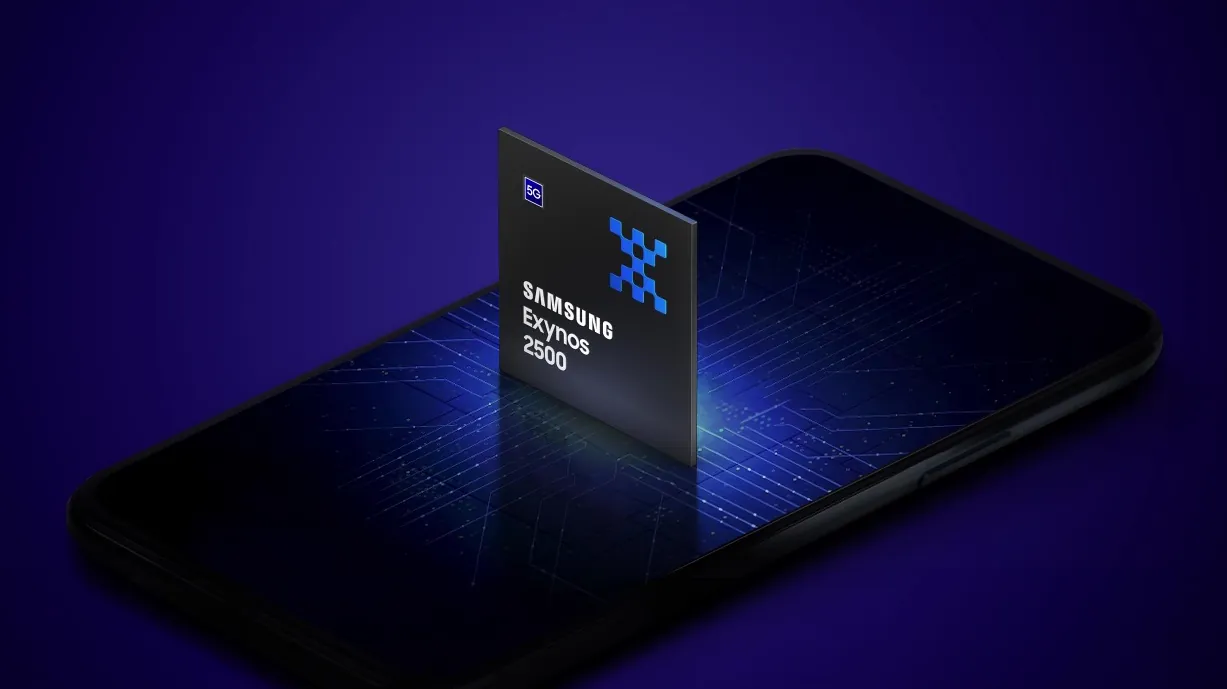
Samsung is reportedly changing its global chipset strategy for the upcoming Galaxy S26 series. The company plans to limit the use of its in-house Exynos 2600 chipset exclusively to the South Korean market.
According to reports cited by Android Central from IT Home and DigiTimes, only the Galaxy S26 and Galaxy S26 Plus models in Korea will feature the Exynos 2600 processor. Meanwhile, all international versions—including those in Europe, typically a stronghold for Exynos chips—are expected to use Qualcomm’s Snapdragon 8 Elite Gen 5. Additionally, the Galaxy S26 Ultra worldwide will reportedly come only with Snapdragon.
This shift marks a significant departure from Samsung’s original plan to deploy Exynos chips more broadly. Industry insiders from China reveal that despite being manufactured using the advanced 3nm Gate-All-Around (GAA) process, the Exynos 2600 still faces unresolved challenges. This process is designed to enhance power efficiency, thermal stability, and on-device AI performance.
However, early testing indicates the chipset’s overall performance has not met Samsung’s expectations. Consequently, Samsung seems to prefer a cautious approach by restricting the Exynos 2600 to its domestic market rather than risking global deployment with a chip still in development.
Technical and Business Factors Behind the Decision
Two additional factors affect Samsung’s move. First, the 3nm chip production yield remains low, limiting the number of chips that can meet quality standards for worldwide distribution. Second, Samsung has strengthened its contractual agreement with Qualcomm following the successful reception of Snapdragon’s latest generation.
Qualcomm’s Snapdragon 8 Elite Gen 5 features the new CPU Oryon, renowned for its balanced performance and improved energy efficiency. With a proven track record, Snapdragon provides a safer and more consistent foundation for Samsung to ensure uniform performance across all global Galaxy S26 units.
Learning from Previous Criticism
Samsung’s decision also reflects lessons learned from prior Exynos chip criticism. Globally, Exynos chips have been criticized for overheating, higher power consumption, and inferior camera and gaming performance compared to Snapdragon counterparts.
By limiting Exynos distribution solely to South Korea, Samsung can better monitor performance and quality on a smaller scale. The Korean market’s loyalty to local brands also helps cushion any potential negative reactions.
This localized approach allows Samsung to collect real-time user data on the Exynos 2600’s performance. If future testing proves the chip competitive, Samsung may consider broader international deployment in subsequent chip generations.
Impact on Global Consumers
If these plans hold, global customers will receive Galaxy S26 smartphones equipped solely with Snapdragon processors. This could lead to more consistent user experiences in terms of gaming, camera quality, and battery efficiency compared to previous models offering dual chipset variants.
Eliminating the Exynos variant in international markets may reduce consumer confusion related to performance disparities. A uniform chipset lineup strengthens Samsung’s messaging and branding worldwide.
Looking Ahead to January 2026
The Galaxy S26 series is expected to launch in January 2026, but until then, all details remain unofficial rumors. Observers note that Samsung’s recent policies support this emerging narrative of deemphasizing Exynos for international markets.
Should the Exynos 2600 become exclusive to South Korea, it may mark the beginning of a strategic overhaul in Samsung’s chipset development and deployment. This realignment could impact the future of Samsung’s mobile processors and its competitive position in the global smartphone market.