


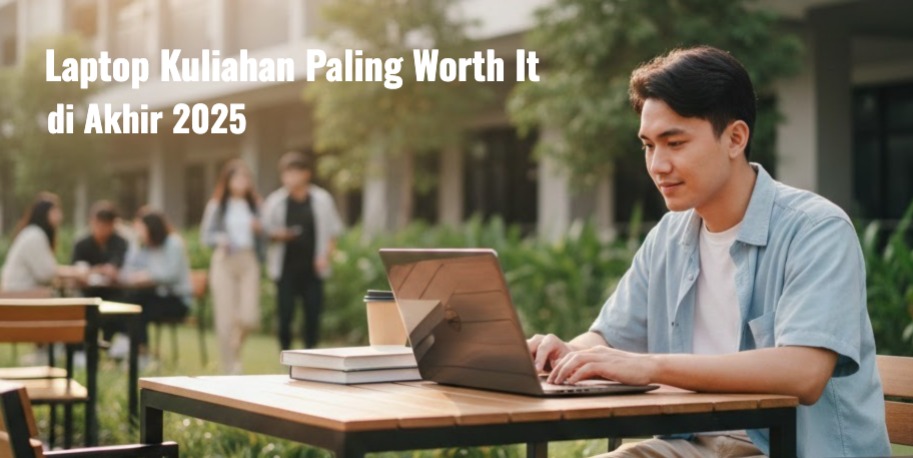
As 2025 draws to a close, the laptop market faces a surge of new models promising better speed, battery efficiency, and smarter features. This abundance of choice often confuses students about which laptop truly fits their academic needs without overspending.
The key question is no longer about purchasing the newest or most expensive laptop. Instead, it is about finding the most logical and worthwhile option that will support academic demands throughout the semesters ahead.
Trends in Laptop Technology for Students
Reports from IDC and Gartner reveal global trends favoring slim laptops emphasizing power efficiency and integrated AI capabilities at the processor level. Apple’s MacBook Air with the M4 chip stands out due to its impressive battery life, local AI processing, and enhanced graphics performance.
TechRadar and LaptopMag note that 16 GB RAM has become the baseline for multitasking, a crucial feature as students run multiple applications simultaneously. Efficient multitasking is no longer a luxury but an academic requirement.
Windows laptops remain a sensible choice, especially for courses requiring specialized software. AMD’s Ryzen 8000 series and Intel’s Lunar Lake processors incorporate similar energy-saving designs and AI acceleration for productivity apps. Models like ASUS Zenbook, Lenovo Slim series, and HP Pavilion Plus strike a balance between performance, lightweight design, and affordability—traits appreciated by students.
Independent tests by RTINGS show mid-range Windows laptops lasting 10 to 14 hours on light to moderate usage, sufficient for full-day campus use without frequent charging.
Budget Choices: Chromebook’s Rising Popularity
Chromebooks have gained traction as budget-friendly devices for students, supported by Google for Education data. They offer lightweight systems, strong security, and low maintenance costs. The Acer and ASUS Chromebook Plus models are highlighted in reviews for their stability in cloud-based academic tasks such as writing, presentations, and data management.
An additional advantage often overlooked is Google’s long-term system update support, which extends device longevity and usability in educational settings.
High-End Laptops for Creative Fields
The high-performance segment caters mainly to students in design, architecture, filmmaking, and creative technology fields. Adobe Creative Trends 2025 report highlights increasing demands on graphics and memory due to high-resolution content and AI generation tools.
Premium laptops like the MacBook Pro M4 Pro and Windows models equipped with the latest RTX GPUs provide performance well beyond typical academic needs. However, Consumer Reports warns that such investments are often excessive for non-creative students, suggesting a middle-to-upper class configuration as the optimal value for most.
Longevity and Investment Value
One crucial factor in laptop choice is longevity. Microsoft and Apple officially state that devices with at least 16 GB RAM and NVMe SSDs maintain performance for longer without lagging. This aligns with universities’ growing reliance on digital platforms, online exams, and video conferencing.
Early purchases of cheaper laptops tend to prove costly as those devices quickly become outdated, impacting study efficiency.
Strategic Timing: End-of-Year Deals
Year-end discounts for electronics are notably aggressive, according to the Indonesian Retail Entrepreneurs Association. Many official producers and distributors offer education packages, installment plans, and legal software bonuses, making late 2025 an ideal time for students to acquire laptops with higher specs at reasonable prices.
Worthiness Beyond Brand and Price
In summary, the most worthwhile laptops for college students at the end of 2025 are not defined by brand prestige or sticker price. Instead, they are chosen based on academic suitability, power efficiency, long-term support, and overall value.
Official data supports the view that balanced laptops—adequately fast but not overkill and future-proof—best serve students’ evolving needs. This pragmatic approach ensures that a laptop remains more than a study tool; it becomes a productive asset aligned with the demands of higher education.