


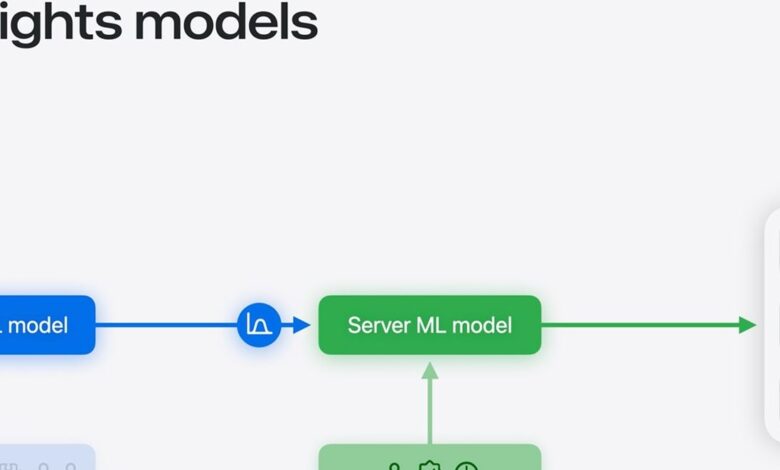
Apple is preparing a new layer of protection for iPhone users that could identify digital fraud the moment it appears. The feature, called Trust Insights, is expected to warn users in real time before risky actions are completed.
The move comes as online scams have become harder to distinguish from normal activity. Banking fraud and social-engineering schemes now often rely on panic, urgency, and familiar-looking interactions to push victims into making fast decisions.
Behavior, not message content
Unlike conventional security tools that focus on message text or incoming calls, Trust Insights is said to analyze device usage patterns. It is designed to study user behavior, activity context, time of use, and interactions that appear unusual.
That approach could help the iPhone recognize situations that may lead to risky actions. For example, the system may flag moments when a user appears to be pressured into sending money, changing account security settings, or sharing sensitive information.
If suspicious activity is detected, the phone could issue an additional warning or ask for extra verification before the action is completed. Apple is also said to be considering a delay mechanism that would make it harder for criminals to force users to disable the feature quickly.
| Protected Activity | What Trust Insights May Watch | Possible Response |
|---|---|---|
| Payments and transfers | Signs of fraud or unusual user behavior | Additional warning or verification |
| Account security changes | Unexpected attempts to alter settings | Extra security step before completion |
| Digital forms and documents | Risky actions outside the main category | Review before proceeding |
Privacy remains part of the plan
Apple is said to keep the analysis on-device, which means the system would process data directly on the iPhone. Under that model, it would not need to access the contents of photos, private messages, email, or documents stored on the device.
The data used for analysis is reportedly limited to interaction patterns and selected behavioral indicators. After the risk assessment is completed, the raw data is said to be deleted and not kept long term.
Built on existing iPhone protections
Trust Insights would extend the security tools already available on iPhone, including call screening for unknown numbers, spam message detection, and protection against dangerous links. Those features already help reduce some common scam attempts, but Apple appears to be aiming for a more proactive system.
The new layer is expected to focus first on the activities criminals most often exploit. Payment and transfer actions are the main target, followed by changes to account information, security settings, and other high-risk digital tasks.
Apple has not announced an official launch schedule or confirmed which devices will support the feature. Reports suggest Trust Insights could arrive through a major iOS 27 update expected later this year.
The direction matters well beyond the United States, including in Indonesia, where digital fraud continues to rise through more varied tactics. Technology alone is not enough, however, and users still need to protect personal data, OTP codes, and any transfer request from an unverified source.