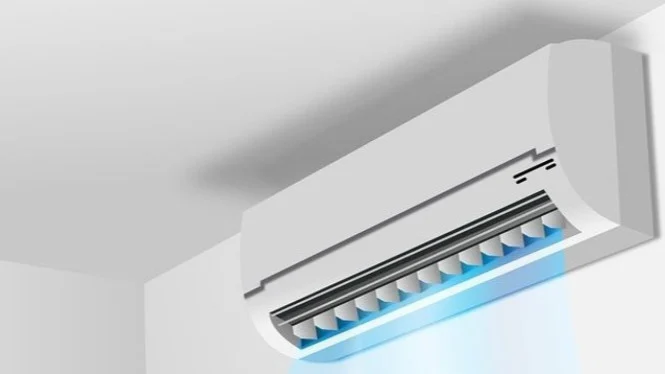
Installing an air conditioner (AC) correctly is crucial to achieve maximum cooling without wasting electricity. Many people overlook that improper installation can reduce cooling efficiency by up to 40 percent, according to data from VIVATechno. Proper placement and professional installation can also cut electricity consumption by around 30 percent.
Choosing the Right Location for Indoor Unit
Position the indoor unit 2 to 2.5 meters high, preferably above doorways or open corners. This height allows cold air to spread evenly throughout the room for optimal cooling. Keep the unit at least 1.5 meters away from beds to avoid direct cold air on the body, which can cause discomfort during sleep. Avoid placing the indoor unit behind thick curtains or tall furniture that block airflow. Good air circulation improves both cooling performance and energy efficiency daily.
Proper Placement for Outdoor Unit
Install the outdoor unit in a shaded area with at least 15 cm clearance from walls. Adequate ventilation prevents the condenser from overheating and running inefficiently. Do not place it under direct sunlight or near heat sources like stoves, which can raise surrounding temperatures and burden the compressor. Ensure there is enough space for regular maintenance and cleaning to keep the unit functioning well over time.
Drainage and Mounting Tips
Drill a hole in the wall with a 6 to 8 cm diameter and a slope of 1:100 for natural drainage. This prevents water from accumulating inside the pipes, protecting wall surfaces. Use a level tool when installing the indoor unit’s bracket to guarantee a perfectly horizontal position. A tilted bracket leads to vibrations and noisy operation. Copper pipes need thick insulation to avoid refrigerant leaks and condensation, which could damage wall paint.
Vacuuming and Refrigerant Charging
Vacuum the pipes for at least 30 minutes to eliminate moisture and air inside the system. Humidity inside pipes causes ice build-up in the evaporator, reducing cooling efficiency. Charge refrigerant strictly according to the AC’s specifications; undercharging reduces cooling, while overcharging shortens compressor lifespan. Always test for leaks using soapy water at pipe connections before switching on. Even minor leaks can result in refrigerant loss and severe performance drops.
Initial Settings for Optimal Performance
Start with a temperature setting of 25°C and gradually increase up to 28°C to let the compressor adjust. Setting the temperature too cold immediately will cause compressor strain. Activate the Auto or Swing mode to circulate cool air evenly, preventing hot spots. Closing curtains during the daytime reduces heat gain inside the room, easing the AC load and saving energy.
Regular Maintenance to Sustain Cooling and Efficiency
Clean the AC filter every two weeks to maintain unobstructed airflow. Dirty filters force the unit to work harder, increasing electricity consumption by up to 15%. Schedule professional servicing quarterly to clean the evaporator and condenser, and to check refrigerant pressure for sustained performance. Never block the air intake with furniture or objects, as this causes overheating and possible compressor damage.
Correct AC installation is a long-term investment in comfort and electricity savings. Strategic positioning and careful technical steps guarantee powerful cooling without inflating utility bills. Paying attention to small details like drain slope and perfect vacuuming prevents costly billing spikes and equipment problems in the future.