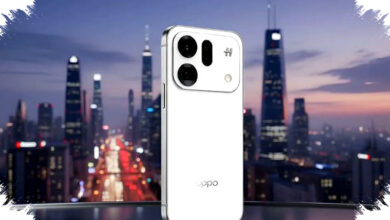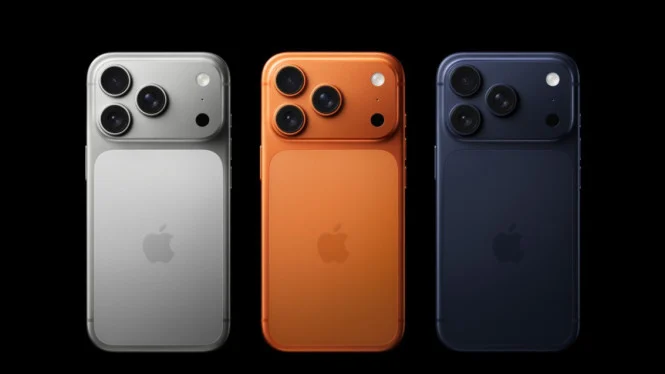
Choosing between the Xiaomi 17 Ultra and iPhone 17 Pro Max means deciding on two different philosophies in premium smartphones. Xiaomi emphasizes bold innovation with a feature-packed experience at a competitive price, while Apple delivers a refined, robust ecosystem designed for longevity and seamless integration.
Design & Display: Rugged Boldness vs. Refined Minimalism
The Xiaomi 17 Ultra is built for real-world durability, featuring metal-reinforced frames and scratch-resistant backs. It’s visually striking with its large camera module, signaling its primary identity as a photography tool. On the other hand, iPhone 17 Pro Max uses aerospace-grade titanium, combining light weight with sophistication. Its smooth curves and matte finish exude timeless elegance and resist fingerprints.
When it comes to display, Xiaomi offers a vibrant 6.83-inch AMOLED panel with a peak brightness of 3,000 nits and adaptive refresh rates up to 120Hz. This suits immersive content and gaming with hyper-saturated colors. Apple’s 6.9-inch Super Retina XDR display, equipped with True Tone and ProMotion, prioritizes color accuracy and balanced contrast, ideal for professional photo and video editing.
- Choose Xiaomi 17 Ultra for eye-catching visuals and ruggedness.
- Choose iPhone 17 Pro Max for impeccable build quality and color precision.
Performance & Battery: Raw Power vs. Intelligent Efficiency
Powered by the Snapdragon 8 Elite paired with HyperOS 2.0, Xiaomi 17 Ultra delivers outstanding multitasking and gaming performance, with a customizable interface that appeals to power users. Meanwhile, Apple’s A19 Pro chip offers not only speed but also remarkable energy efficiency, ensuring smooth operation with iOS 19 for at least 5 to 7 years.
Battery-wise, Xiaomi’s hefty 6,000 mAh cell charges rapidly from 0 to 100% in just 38 minutes via 90W wired charging and supports 50W wireless charging. This is perfect for heavy users who value quick top-ups on the go. The iPhone includes approximately a 4,800 mAh battery with slower 27W wired and 15W MagSafe wireless charging but excels in thermal management and long-term battery health.
- Xiaomi leads in speed, fast charging, and system flexibility.
- iPhone focuses on longevity, thermal performance, and future-proof software support.
Camera Systems: Innovative Versatility vs. Consistent Excellence
Xiaomi 17 Ultra’s Leica-inspired quad-camera setup includes a massive 1-inch primary sensor, a 5x telephoto lens with continuous optical zoom from 3.2x to 120x, a 120-degree ultra-wide, and an infrared periscope sensor. It uniquely supports Leica M-mount accessories for external lenses, a first in smartphones. The front camera is a detailed 32MP shooter, excellent for sharp portraits and social media content.
The iPhone 17 Pro Max pairs a triple-camera system with a 48MP main sensor, fixed 5x telephoto, and ultra-wide lens. It excels in natural color processing, video with ProRes 4K at 60fps, Apple Log, and spatial audio capture. Its TrueDepth 48MP front camera provides cinematic modes and integrates seamlessly with Apple’s Final Cut Pro workflow.
- For experimental photographers and creatives, Xiaomi offers unmatched flexibility and advanced zoom features.
- For professional videographers and editors, iPhone provides consistency, color accuracy, and ecosystem advantages.
Pricing & Long-Term Value
Xiaomi 17 Ultra starts at roughly $1,000, delivering premium features at nearly half the iPhone’s starting price of approximately $1,750. Both begin with 256GB storage. Xiaomi guarantees four years of OS updates and five years of security patches. Apple promises 6 to 7 years of OS and security support, plus far superior resale value and a seamless ecosystem with Mac, iPad, Watch, and AirPods integration.
| Aspect | Xiaomi 17 Ultra | iPhone 17 Pro Max |
|---|---|---|
| Starting Price | ~$1,000 | ~$1,750 |
| Base Storage | 256GB | 256GB |
| Software Support | 4 years OS + 5 years security | 6–7 years OS + security |
| Ecosystem Integration | Limited (MIUI, Mi Home) | Extensive (Apple devices) |
| Resale Value | Drops fast | Retains high value |
Xiaomi gives cutting-edge capability for a reasonable cost, while Apple delivers better return on investment over time and unmatched device synergy.
Distinctive Features That Set Them Apart
Xiaomi 17 Ultra enhances connectivity with two-way satellite messaging and incorporates infrared sensors for thermal imaging and night vision. It also boasts HyperCharge 90W and Leica M-mount accessory compatibility.
In contrast, the iPhone 17 Pro Max includes next-generation Ultra Wideband (UWB) for precise indoor location, emergency SOS satellite integration, spatial video and audio supporting Apple Vision Pro, and Continuity Camera to use the iPhone as a Mac webcam.
Who Should Choose What?
Xiaomi 17 Ultra suits photographers eager to experiment with zoom and lenses, heavy users needing robust battery and fast charging, and tech enthusiasts seeking innovation without excessive cost. It also appeals to those indifferent to Apple’s ecosystem.
Conversely, iPhone 17 Pro Max is ideal for professionals reliant on stable software and long-term support, users deeply invested in Apple’s devices, content creators valuing seamless workflows, and individuals prioritizing consistency and refined design.
Both smartphones represent tremendous value and innovation. Your decision hinges on whether you prioritize cutting-edge flexibility and affordability or unmatched ecosystem integration and long-term reliability.
-
-
-
-