


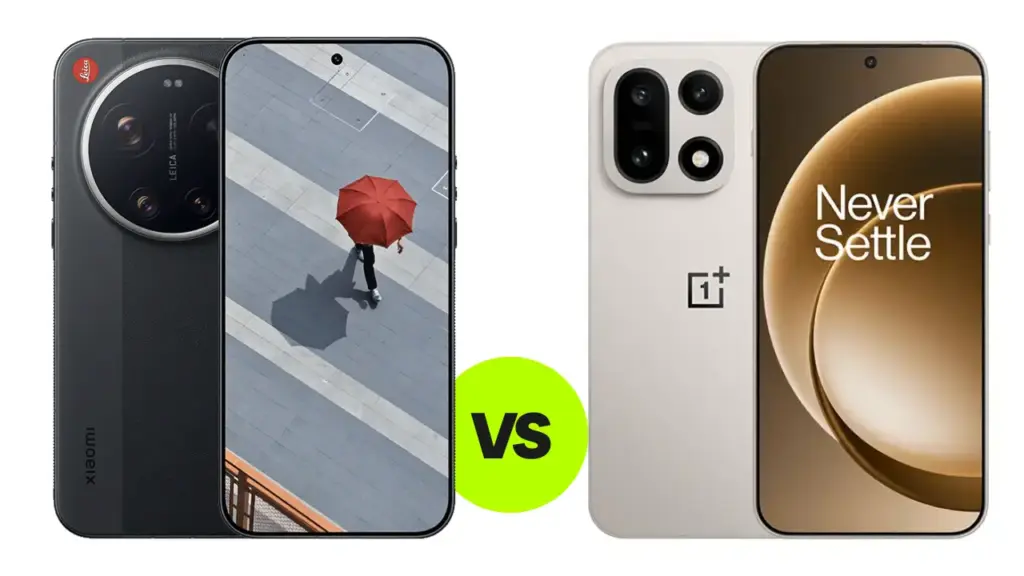
The competition in the flagship Android smartphone market is heating up as 2026 approaches. Xiaomi and OnePlus are both launching their latest flagship models: the Xiaomi 17 Ultra and the OnePlus 15. These models target premium users but emphasize different strengths.
Xiaomi 17 Ultra prioritizes professional photography and content creation capabilities. In contrast, OnePlus 15 focuses on raw performance, fast charging, and smooth daily responsiveness. Understanding these differences helps buyers choose the device that fits their needs.
Design and Build Quality
Xiaomi 17 Ultra features a large rear camera module with Leica collaboration, enhancing its appeal as a professional content creation tool. Its solid build asserts its flagship status and suits users valuing a premium, functional design.
OnePlus 15 opts for a slimmer, minimalist design with an elegant curved body that is lighter than typical flagships. This gives it a modern look that’s easy to handle for everyday users seeking style and portability.
Display Technology
The Xiaomi 17 Ultra boasts a 6.9-inch LTPO AMOLED panel with an adaptive 120Hz refresh rate and Dolby Vision support. This offers excellent color accuracy and contrast, ideal for multimedia consumption and photo or video editing.
Meanwhile, OnePlus 15 comes with a 6.78-inch LTPO AMOLED screen featuring a higher 165Hz refresh rate. This makes the interface interactions and gaming experiences feel exceptionally fluid and responsive.
Performance and Hardware
Both phones are powered by the latest Qualcomm Snapdragon 8 series chipset. They support up to 16GB of RAM and UFS 4.0 storage with a maximum capacity of 1TB. However, their performance tuning differs subtly.
Xiaomi 17 Ultra favors long-term stability suited for demanding multitasking and high-resolution photo editing. In contrast, OnePlus 15 is tuned more aggressively for fast interface responsiveness and gaming, delivering quicker load times and animations.
Battery Life and Charging Speed
Xiaomi 17 Ultra offers a 6,800 mAh battery that supports 90W wired and 50W wireless charging. It is designed for all-day endurance with reliable fast charging.
OnePlus 15 includes a slightly larger 7,300 mAh battery and promotes an ultra-fast 120W wired charging technology. This can charge the phone from near empty to full in just minutes, making it ideal for users on the move.
Camera Systems Comparison
The Xiaomi 17 Ultra’s camera setup is the standout difference. It integrates a high-resolution main sensor, a continuous optical zoom periscope telephoto lens, and an ultrawide lens calibrated by Leica. This ensures natural colors, rich detail, and wide dynamic range for advanced photography.
OnePlus 15 also provides a solid flagship camera system with three 50MP sensors. While capable in varied lighting, it lacks the Leica-style artistic character and extensive zoom features of the Xiaomi model.
The selfie camera on Xiaomi 17 Ultra offers higher resolution and better video recording for vlogging. OnePlus 15 includes autofocus on the front camera for flexible, high-quality selfies and video calls.
Price and Market Position
The Xiaomi 17 Ultra is expected to be priced between approximately $1,000 and $1,035. It targets users who prioritize professional-grade photography and content creation, including potential satellite communication features.
OnePlus 15’s estimated price range is about $900 to $930, positioning it as a more competitive flagship option. It appeals to buyers seeking fast performance, excellent battery endurance, and ultra-fast charging at a comparatively affordable price.
Choosing Between Xiaomi 17 Ultra and OnePlus 15
Xiaomi 17 Ultra is ideal for mobile photographers and content creators who need top-tier camera hardware and software integration. Its design and features emphasize professional use and serious creative work.
On the other hand, OnePlus 15 suits the majority of consumers wanting a well-rounded flagship phone. It delivers powerful performance, long-lasting battery life, and rapid charging technology, making it practical for everyday usage without major compromises.
Ultimately, the best choice depends on user priorities: specialized photography capabilities or a balanced flagship experience with strong performance and value.