


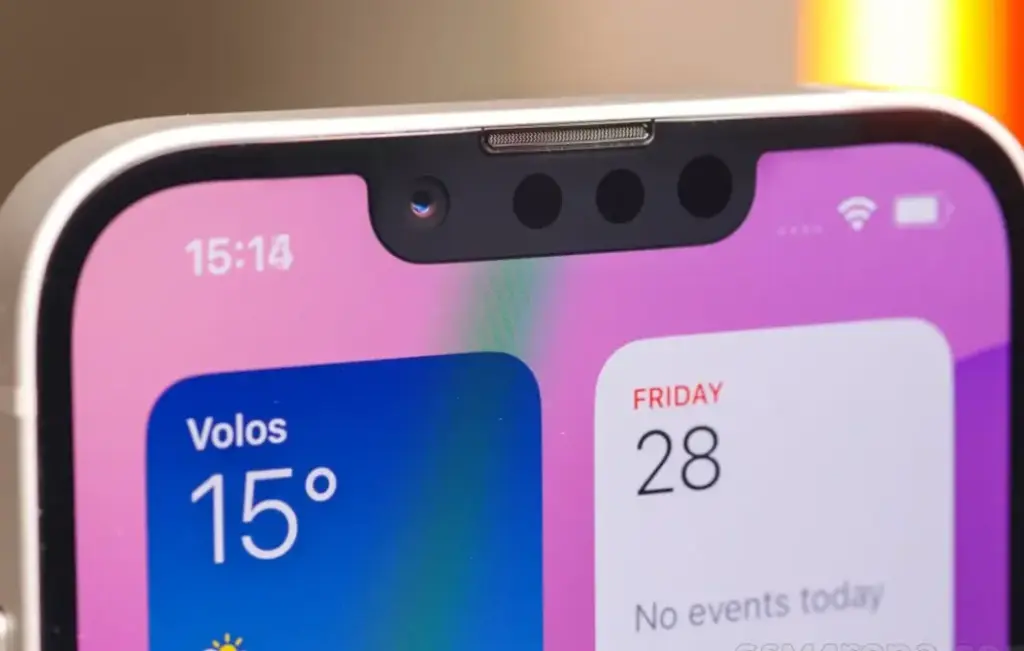
Apple is set to release the iPhone 17e in 2026 as its last compact phone option. This model will keep a 6.1-inch screen size, maintaining a smaller form factor amid the trend of increasing smartphone displays.
Unlike the iPhone 17 regular model, which will see a screen bump to 6.3 inches, and the iPhone Air with a 6.5-inch display, the iPhone 17e holds its ground. This decision reflects Apple’s acknowledgment of a shrinking market segment for compact phones globally.
Consistent Compact Size Strategy
The iPhone 17e follows the precedent set by the iPhone 16e, which also kept the 6.1-inch dimension. This size offers a practical balance between ease of handling and screen usability. For users unwilling to adopt flagship prices or large phones, the iPhone 17e should remain appealing.
Apple is altering its release schedule to twice per year starting in 2026, potentially increasing the flexibility of its product roadmap. Such a cycle could support sustaining the e-series as a separate and more affordable tier within the lineup.
Key Features and Performance
The iPhone 17e is expected to feature an upgraded 18MP front-facing camera with Center Stage technology. This supports dynamic framing and allows users to capture wide selfies even when holding the phone vertically. This camera upgrade significantly enhances the user’s everyday photo experience.
Powered by the A19 chipset and Apple’s C1 modem, the iPhone 17e aims to deliver solid performance and improved connectivity. Despite being an entry-level option, these hardware choices position it well for efficiency and longevity.
Design-wise, Apple will refresh the chassis by adopting the iPhone 15’s sleeker, tapered edges. This is a change from the iPhone 16e which retained elements from the older iPhone 14 body. The material choice will likely remain standard to keep costs low while ensuring durability.
Battery capacity looks set to hover around 4000 mAh with a 20W wired charging speed, capable of reaching a 50% charge in 30 minutes. This conservative approach aligns with Apple’s strategy to maintain steady improvements without pursuing radical changes.
The Importance of Compact Phones Today
Compact smartphones like the iPhone 17e offer distinct ergonomic benefits, especially for users who prefer one-handed operation. Smaller phones facilitate quick actions, such as replying to messages or checking notifications, without the bulk of large devices.
As modern phones trend bigger and heavier, a compact model meets a niche demand for balanced convenience and functionality. It caters well to those who want the Apple ecosystem in a phone that fits comfortably in hand and pocket.
Apple’s decision to preserve the 6.1-inch compact format provides a competitive edge by offering a more human-centered design. While rivals push for larger displays, the iPhone 17e’s size prioritizes accessibility and ease of use.
Positioning in Apple’s Broader Product Line
The anticipated launch of the iPhone 17e alongside plans for the iPhone 18 series illustrates Apple’s product differentiation strategy. The e-series fills the gap for users seeking a budget-friendly, compact iPhone distinct from premium models.
With features like the A19 chip, capable camera upgrades, and a comfortable size, the iPhone 17e can attract a user base focused on lasting performance over flagship-level innovation. It stands as a testament that smaller phones still have relevance in an era dominated by large-screen devices.
As Apple continues refining the e-series, its success will depend on balancing cost-effectiveness and quality. Delivering a reliable and pleasant user experience while maintaining affordability will be key to keeping this last compact iPhone appealing in 2026 and beyond.