Smartphone camera technology has advanced rapidly in recent years. Manufacturers have competed fiercely to deliver professional-level photo and video quality.
Despite this progress, the 1-inch camera sensor, once hailed as revolutionary, is gradually being phased out in 2026. This shift comes as new technologies offer better balance between performance and design constraints.
The Rise and Fall of the 1-Inch Sensor
The 1-inch sensor first gained major attention with the Xiaomi 12S Ultra in 2022. Its larger size allowed significantly more light capture, improving image brightness and detail. Several flagship models from brands like Vivo, Oppo, and Huawei soon adopted it.
However, by 2026, few devices retain this sensor size, mostly limited to ultra-premium variants costing several hundred dollars more. Enthusiasm decreased due to practical limitations despite its superior image quality.
Technical Advantages of the 1-Inch Sensor
A key strength of the 1-inch sensor is its ability to capture ample light, reducing noise and enhancing clarity. This feature excels especially in low-light and nighttime photography, producing natural bokeh without heavy software enhancement.
These technical benefits offered flagship smartphones a notable edge in camera performance, establishing the sensor’s reputation for excellence.
Design and Ergonomic Challenges
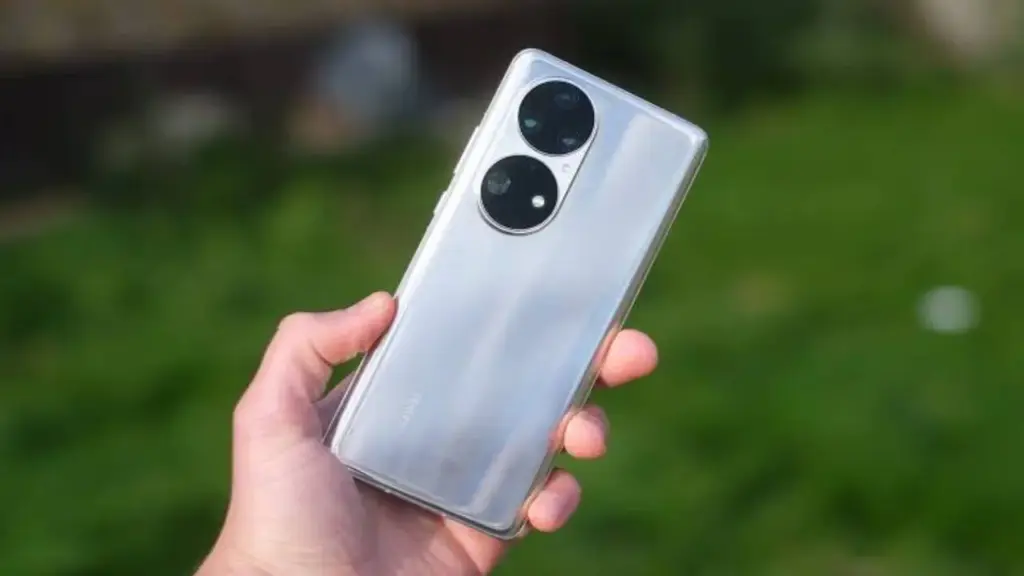
The large size of 1-inch sensors makes camera modules thicker and more protruding. This disrupts the sleek, thin profile that consumers increasingly demand after 2025.
Many users find such bulky designs less comfortable to hold, and the phones are prone to wobbling when placed flat. The growing preference for light, slim devices has pressured manufacturers to reconsider integrating large sensors.
Rising Production Costs and Efficiency Concerns
Manufacturing 1-inch sensors involves complex optics and variable aperture mechanisms, raising material and assembly expenses. This complexity translates to higher retail prices, reducing affordability for most buyers.
Large-scale producers now prioritize cost-effectiveness by opting for smaller sensors paired with cutting-edge image processing. This approach maintains competitive image quality while improving profit margins and market reach.
Smaller Sensors Get Smarter
Advances in sensor technology have mitigated the performance gap. Modern sensors under 1 inch come with enhanced HDR capabilities, improved conversion gain, and strong AI-driven image optimization.
These improvements help smaller sensors rival early 1-inch models in photo and video quality. The trend indicates that sensor size is no longer the sole determinant of camera excellence.
The Future: Combining Hardware, Software, and AI
Although 1-inch sensors have not disappeared entirely, their role is now limited to select ultra-premium smartphones from certain Chinese manufacturers. The industry focus has shifted towards holistic camera solutions.
By integrating sophisticated hardware design, powerful software algorithms, and intelligent AI processing, 2026 smartphones can deliver outstanding photography without relying on large sensors. This balanced strategy aligns with evolving consumer preferences for elegant devices without sacrificing camera capabilities.
In short, the phase-out of 1-inch camera sensors reflects a broader realignment in smartphone photography design. Manufacturers embrace efficient and innovative technologies to meet demands for high quality, affordability, and ergonomic excellence in the coming years.