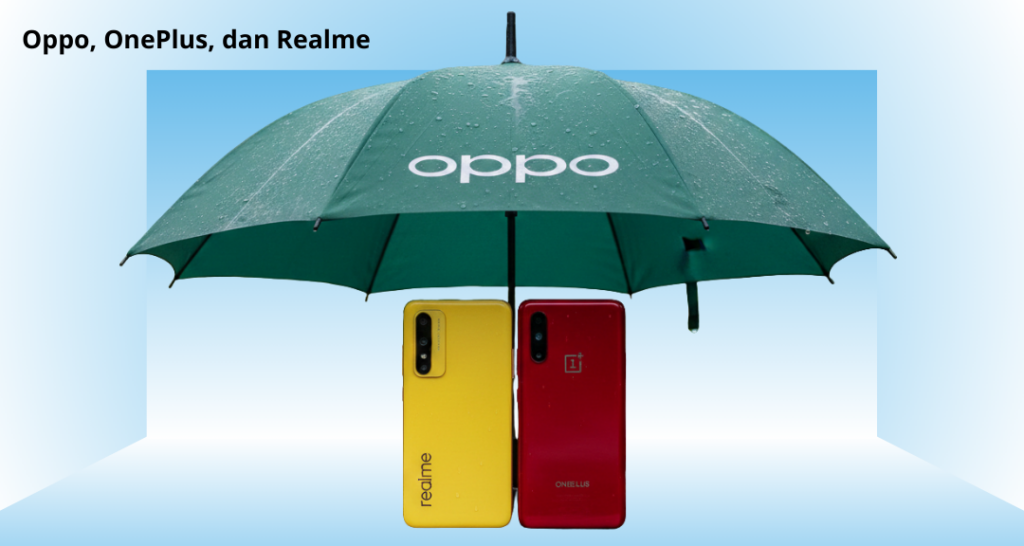
Oppo is restructuring its brand ecosystem by bringing Realme back under its umbrella. This move follows recent reports from Gizchina and Leifeng, which cite internal company sources revealing Realme will no longer operate as an independent brand.
The restructuring positions Oppo as the main brand, with Realme and OnePlus acting as sub-brands. These adjustments aim to streamline resource management and enhance internal synergy within the group.
Sky Li, the founder and CEO of Realme, is expected to continue leading Realme even as it becomes a sub-brand of Oppo. This ensures continuity in leadership and strategic direction despite the organizational changes.
Oppo’s strategy involves maintaining distinct marketing approaches for Realme and OnePlus, while unifying operational control. This hybrid model allows each brand to preserve its identity but benefit from shared management and resources.
One key benefit of this approach is cost efficiency. By consolidating backend operations, Oppo can reduce overlapping expenses related to production, marketing, and after-sales services — crucial in an increasingly competitive smartphone market.
Realme will also be integrated into Oppo’s extensive post-sales service network, which includes over 5,000 physical outlets across China. This expansion could improve customer experience and provide stronger brand trust for Realme users.
Despite the shift in brand hierarchy, scheduled Realme product launches will proceed as planned. Consumers need not worry about delays or cancellations; innovation pipelines remain intact under the new structure.
This reorganization follows the official dissolution of BBK Electronics in 2023. BBK once managed Oppo, Vivo, OnePlus, iQOO, and Realme as a conglomerate. Afterward, the business was split among Oppo, Vivo, and imoo.
With BBK’s division, Oppo and Vivo emerged as key players in the smartphone sector, while imoo focuses on children’s smartwatches. Oppo’s consolidation strategy likely reflects efforts to strengthen market share and compete globally.
Realme’s market strength lies primarily in the affordable to mid-range segments. Oppo has traditionally targeted upper mid-range customers. Combining these strengths under one umbrella allows better segmentation and market coverage.
Emerging markets in Asia stand to benefit most from this strategy. Oppo’s integrated approach can tailor product offerings and pricing to regional needs more efficiently than before.
The cooperation between Oppo, Realme, and OnePlus may enable faster product development cycles and innovation through shared technology. This synergy can also help scale marketing campaigns and distribution channels more effectively.
Consumers might also enjoy improved after-sales support quality and wider service accessibility. Integrating Realme’s services with Oppo’s network reduces fragmentation and builds loyalty.
To summarize key impacts of the Oppo-Realme-OnePlus unification:
- Consolidated brand management under Oppo
- Continued independence in marketing strategies for each sub-brand
- Improved operational efficiency and cost savings
- Expanded service network for Realme via Oppo’s infrastructure
- Uninterrupted product launch schedules for Realme
- Stronger competitive positioning in global and emerging markets
This development reflects the evolving dynamics of smartphone corporations aiming to balance brand diversity with operational efficiency. Oppo’s move to serve as a parent brand over OnePlus and Realme is a strategic play for growth and sustainability.
As the mobile industry grows more challenging, such structural changes may become more common, helping manufacturers optimize resource use while serving diverse consumer segments. The ultimate effect will depend on how well these brands can maintain their unique appeal within a consolidated framework.