


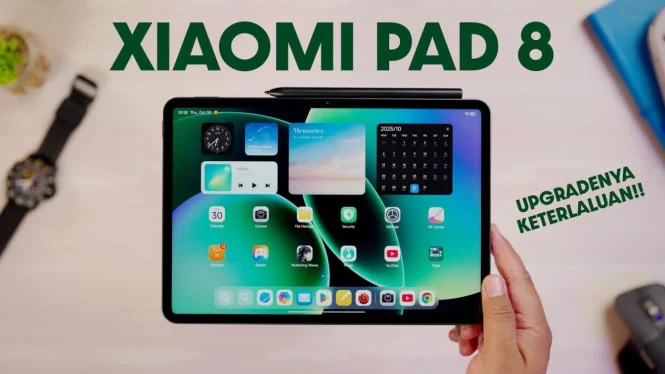
Two new contenders have emerged in the 2026 mid-range tablet market: Xiaomi Pad 8 and realme Pad 3. These devices cater to users looking for a balance of performance, display quality, and battery endurance. Both tablets aim to serve students, professionals, and multimedia enthusiasts with features tailored for various daily needs.
Display and Visual Experience
Xiaomi Pad 8 offers an 11.2-inch LCD with a sharp 3.2K resolution and a rapid 144Hz refresh rate. It supports HDR10, HDR Vivid, and Dolby Vision, providing an immersive and responsive visual experience. On the other hand, realme Pad 3 has a slightly larger 11.61-inch LCD at 2.8K resolution with a 120Hz refresh rate. Its 7:5 book-view aspect ratio prioritizes reading comfort and multitasking efficiency.
The display choice indicates Xiaomi targets users seeking high frame rates for gaming and smooth scrolling, while realme leans toward prolonged content consumption and productivity through ergonomic design.
Performance and Hardware Specifications
Under the hood, Xiaomi Pad 8 is powered by the Snapdragon 8s Gen 4 chipset, accompanied by up to 12GB of RAM and up to 256GB of internal storage. This configuration is ideal for demanding multitasking and resource-heavy applications. It operates on HyperOS 3, Xiaomi’s new interface based on Android 16.
Realme Pad 3 employs a MediaTek Dimensity 7300-Max chipset combined with 8GB RAM and options for 128GB or 256GB storage. It runs on Android 16 with realme UI 7.0. Although not as powerful as Xiaomi’s SoC, it balances energy efficiency and adequate performance for everyday tasks.
Battery Life and Charging
One standout advantage of realme Pad 3 is its massive 12,200 mAh battery, supported by 45W fast charging and reverse charging capabilities. This makes it well suited for users requiring long operational hours without frequent charging.
Xiaomi Pad 8 features a 9,200 mAh battery with the same 45W fast charging. While smaller, it still supports extended usage with efficient power management technologies.
Software and User Experience
Xiaomi’s HyperOS 3 aims to enhance productivity through fluid multitasking and optimized system interactions that leverage Android 16’s latest improvements. Realme UI 7.0 also integrates Android 16 but focuses more on straightforward usability and battery optimization.
Pricing and Market Availability
Xiaomi Pad 8 starts at approximately $330 (IDR 51 million conversion), offering several memory variants and a matte finish edition for premium taste. The realme Pad 3 pricing has not been officially announced globally but is expected to be competitive in regional markets, pending availability that supports Wi-Fi and 5G connectivity.
Summary Comparison at a Glance:
| Feature | Xiaomi Pad 8 | realme Pad 3 |
|---|---|---|
| Screen Size & Res | 11.2" 3.2K, 144Hz LCD | 11.61" 2.8K, 120Hz LCD, 7:5 ratio |
| Processor | Snapdragon 8s Gen 4 | MediaTek Dimensity 7300-Max |
| RAM/Storage | Up to 12GB / 256GB | 8GB / 128-256GB |
| Battery | 9,200 mAh, 45W fast charging | 12,200 mAh, 45W fast + reverse charging |
| OS | HyperOS 3 (Android 16) | realme UI 7 (Android 16) |
| Price | Starting at ~$330 | Not officially announced globally |
Between the two, Xiaomi Pad 8 excels in display refresh rate and processing power, making it preferable for users who value visual fluidity and performance. In contrast, realme Pad 3’s battery capacity and ergonomic screen ratio make it a strong choice for users prioritizing long battery life and comfortable usage for reading or multitasking.
Deciding which tablet is superior depends largely on user priorities. Those seeking a smoother and more powerful visual performance may lean toward Xiaomi Pad 8. Meanwhile, individuals who require endurance and a practical form factor could favor realme Pad 3 for everyday use. Both models contribute fresh competition in the mid-range segment, reflecting evolving consumer demands in 2026.