

Choosing a Xiaomi smartphone can be confusing due to the company’s three main sub-brands: Xiaomi, Redmi, and POCO. Each has distinct characteristics, target users, and product strategies, making it important to understand their differences before making a purchase.
All three sub-brands share the Xiaomi HyperOS operating system, ensuring a unified software experience. However, their core focus and hardware offerings differ significantly to cater to diverse consumer segments.
Xiaomi: Premium Innovation
The Xiaomi series represents the flagship line, targeting users who demand the latest technology and premium build quality. This series emphasizes innovation, with top-tier devices featuring cutting-edge processors and sophisticated designs. For example, the Xiaomi Number Series balances performance and elegance, while the Xiaomi Ultra models focus on advanced photography, boasting collaborations with Leica and large sensor cameras. The Xiaomi T Series bridges flagship specs with more accessible pricing by adapting China-exclusive Redmi K Ultra models for global markets.
Redmi: Balanced Features with Affordable Pricing
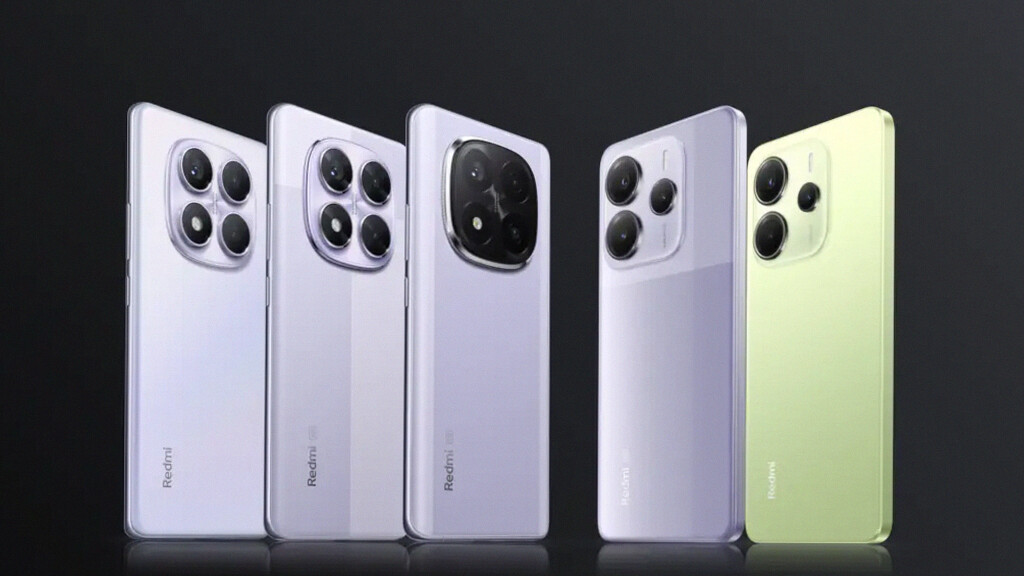
Redmi caters to the broadest audience by delivering well-rounded smartphones at competitive prices. The Redmi Note series is a standout in the mid-range segment, offering quality displays, long-lasting batteries, and adequate daily performance. In China, the Redmi K Series provides near-flagship capabilities but is less available globally. For entry-level users, Redmi offers the Number Series, along with the Redmi A and C lines, targeting students, seniors, and first-time smartphone users needing functional devices for basic use.
POCO: Powerhouse Performance
POCO focuses on high-performance devices ideal for gamers and power users. It prioritizes fast processors and efficient cooling systems. The POCO F Series earns the nickname "flagship killer" by leveraging hardware platforms from Redmi K or Redmi Turbo models popular in China. This enables POCO to deliver flagship-level performance at lower prices, albeit sometimes with compromises on material quality or camera features. Meanwhile, the mid-range POCO X Series highlights high-refresh-rate screens and rapid charging, and the POCO M Series caters to multimedia needs. POCO C serves budget-conscious consumers wanting responsive performance.
Choosing the Right Series
The choice between Xiaomi, Redmi, and POCO depends heavily on individual priorities. Xiaomi suits users wanting premium experiences and top-tier camera technology. Redmi offers a balanced feature set and affordability for everyday use. POCO attracts those who desire robust performance without spending a premium.
Xiaomi HyperOS supports seamless integration across all these devices, connecting smartphones with tablets, wearables, and smart home products. Consumers can thus enjoy a cohesive ecosystem regardless of the chosen series.
To summarize the selection process, here are key points to consider:
- Xiaomi: For innovation, luxury materials, and advanced photography. Priced higher, often above $600.
- Redmi: For everyday users seeking value with solid specs, typically in the $150–$350 range.
- POCO: For performance-oriented users, including gamers, with prices ranging from $200 to $450.
Understanding these distinctions allows consumers to make more informed decisions and avoid confusion from overlapping model names or specifications. This clarity ensures the smartphone chosen fits the user’s lifestyle and preferences precisely.