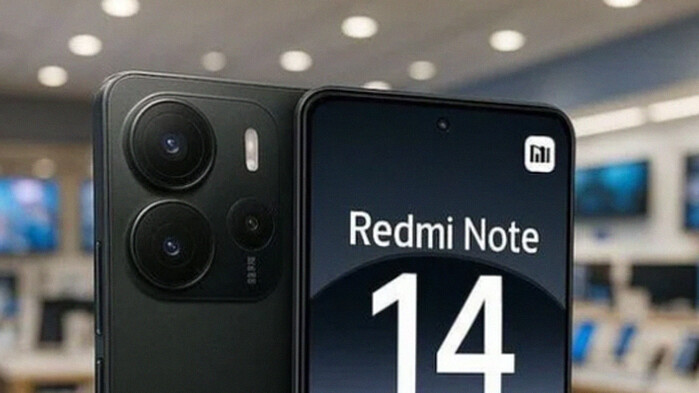
At the start of 2026, the competition in Indonesia’s midrange 5G smartphone market is intensifying with two prominent contenders: the Xiaomi Redmi Note 14 5G and the Samsung Galaxy A36 5G. Both phones offer flagship features such as 5G connectivity, large 120 Hz displays, and robust batteries, catering to a diverse set of user preferences. The critical question remains: which device truly earns the crown as the midrange 5G king in Indonesia?
Display and Design Comparison
The Redmi Note 14 5G boasts a 6.67-inch AMOLED display with a 120 Hz refresh rate. It excels outdoors with an impressive peak brightness of 2100 nits, enhancing visibility under direct sunlight. On the other hand, the Samsung Galaxy A36 5G features a slightly larger 6.7-inch Super AMOLED screen, also with a 120 Hz refresh rate. The Galaxy A36’s peak brightness reaches around 1900 nits, and notably, it is protected by Gorilla Glass Victus Plus, offering greater durability—a key advantage for users looking for a more rugged screen.
Performance Battle
Under the hood, the Redmi Note 14 5G is powered by the MediaTek Dimensity 7025 Ultra chipset. This processor is known for its efficiency and solid everyday performance. Meanwhile, the Samsung Galaxy A36 5G is equipped with the Qualcomm Snapdragon 6 Gen 3, built on a modern 4 nm fabrication process. Benchmark tests reveal that the Galaxy A36 outperforms the Redmi in overall scores, with AnTuTu results showing a 30–36% higher score, indicating better CPU and GPU capabilities. This difference translates into smoother gaming and faster multitasking for the Galaxy A36 5G.
Camera Capabilities
Photography enthusiasts may find the Redmi Note 14 5G appealing due to its high-resolution 108 MP main camera. This sensor excels at capturing detailed and sharp images, particularly in good lighting conditions. Conversely, the Galaxy A36 5G offers a versatile camera setup with a 50 MP main sensor, accompanied by ultra-wide and macro lenses. Additionally, Samsung’s device supports 4K video recording at 30 fps, a feature that the Redmi Note 14 5G lacks. This makes the Galaxy A36 a more versatile choice for users who prioritize video content creation.
Battery Life and Additional Features
Battery performance on both devices is robust. Redmi Note 14 5G provides a 5110 mAh battery, marginally larger than the Galaxy A36’s 5000 mAh. Both support 45W fast charging, enabling quick top-ups. Redmi has the edge with a dedicated microSD slot, accommodating further storage expansion. In contrast, Samsung opts for a dual SIM configuration but sacrifices external storage support. This trade-off might influence purchase decisions based on users’ needs for storage or SIM flexibility.
Software and Update Support
Software experience also differentiates these two models. The Redmi Note 14 5G runs Android 14 layered with Xiaomi’s HyperOS. Meanwhile, the Galaxy A36 5G operates on Android 15 with Samsung’s One UI. Samsung promises up to 6 years of security and operating system updates for the A36, which is a major advantage for users seeking long-term device support. This prolonged update commitment is part of Samsung’s strategy to enhance device longevity in the midrange segment.
Summary of Key Differences
| Feature | Redmi Note 14 5G | Samsung Galaxy A36 5G |
|---|---|---|
| Display | 6.67" AMOLED, 2100 nits peak | 6.7" Super AMOLED, 1900 nits peak, Gorilla Glass Victus Plus |
| Processor | MediaTek Dimensity 7025 Ultra | Snapdragon 6 Gen 3 (4 nm) |
| Camera (Main) | 108 MP | 50 MP + Ultrawide + Macro, 4K video support |
| Battery | 5110 mAh, 45W fast charging | 5000 mAh, 45W fast charging |
| Storage Expansion | microSD slot | Dual SIM without microSD |
| Software | Android 14 with HyperOS | Android 15 with One UI, 6 years update support |
Ultimately, the Redmi Note 14 5G stands out with its superior display brightness, high-resolution main camera, and expandable storage at a more affordable price point. On the other side, the Samsung Galaxy A36 5G offers stronger overall performance, enhanced camera versatility with 4K video, more durable build quality, and significantly longer software support. The choice between the two boils down to user priorities: whether they value camera detail and display brilliance or prioritize performance longevity and premium features.
Both models show why the Indonesian midrange market remains dynamic and competitive in 2026. Consumers can expect excellent value depending on what aspect—performance, camera, or software updates—they place the most importance on.