


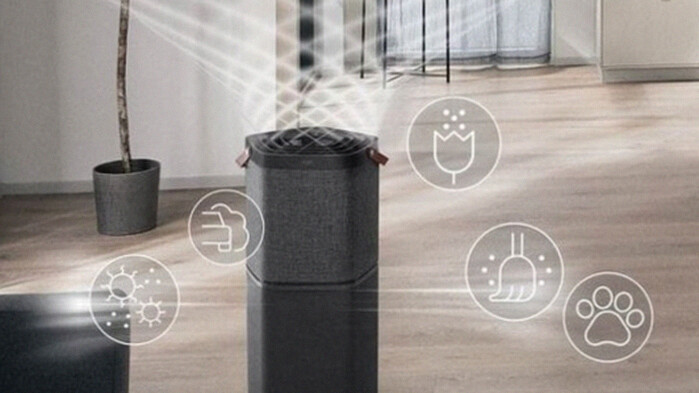
Maintaining clean indoor air quality is crucial for families with infants and young children, especially with rising concerns about air pollution and indoor allergens. By 2026, parents in Indonesia and worldwide are increasingly prioritizing air purifiers designed specifically to be safe and effective for babies and children. These purifiers help reduce airborne particles that can trigger respiratory problems or allergies.
Health experts and technology sources emphasize choosing air purifiers equipped with true HEPA (High Efficiency Particulate Air) filters. These filters effectively remove fine particulate matter, allergens, and pathogens from indoor air without generating harmful ozone. Ozone-producing technologies such as ionizers are discouraged in baby rooms, as ozone can irritate developing lungs.
Key Features for Baby-Safe Air Purifiers
- HEPA Filtration: True HEPA filters capture at least 99.97% of particles down to 0.3 microns, including dust, pollen, and pet dander. This is essential for reducing exposure to pollutants in young children’s environments.
- Quiet Operation: Silent or low-noise modes ensure the device does not disturb infants’ sleep.
- Child Safety Locks: Prevent accidental changes to settings or damage.
- No Ozone Emission: Models without ionizers or ozone generators are preferable to avoid respiratory irritation.
- Smart Monitoring: Connectivity and air quality sensors can automate adjustments and provide real-time data to parents.
Top Recommended Air Purifiers for Babies and Children in 2026
- Sharp FP-J40Y-W and FP-J30Y: These models feature Sharp’s Plasmacluster technology combined with HEPA filters, which effectively reduce airborne viruses, bacteria, and fine dust. They suit medium to small rooms like nursery spaces and are widely trusted in Indonesian households.
- Philips Smart Sensing AC1715/20 and AC0820/20: Equipped with NanoProtect HEPA filters, these purifiers detect microscopic particles including dust and pollen. The smart sensing function automatically adjusts filtration intensity based on air quality readings.
- Blueair Blue Pure Max 3250 and Blue Pure 311i Max: Endorsed by international air quality testing agencies, these units operate quietly and efficiently remove pollutants. Their quietness makes them ideal for babies’ bedrooms.
- Levoit Core Series (e.g., 300S): Combining True HEPA filters with Wi-Fi connectivity, these purifiers allow parents to monitor and control air quality via smartphone apps remotely.
- International Options – Coway AP-1512HH and GermGuardian AC4825E: These devices offer multi-layer filtration, whisper-quiet operation, and real-time air quality indicators, making them suitable for small rooms dedicated to infants.
Best Practices for Safe Use Around Children
Experts advise placing air purifiers out of children’s reach to prevent tripping or interference with moving parts. Always verify that the device uses genuine HEPA filters and has a pre-filter for larger debris. Avoid products containing active ionizers or those that emit ozone. According to health guidelines, this precaution is critical for infant respiratory health.
Parents looking to invest in an air purifier for a baby’s room should consider models that balance filtration efficiency, quiet performance, and safety features. The growing availability of such devices in 2026 enables families to effectively improve indoor air quality, reducing risks of respiratory irritation and allergies for their children.
By understanding these considerations and selecting from trusted brands and models, caregivers can create a healthier environment. With air purifiers becoming an essential household tool, especially during times of increased pollution or allergy seasons, parents can rely on technology that supports better breathing for their little ones.