


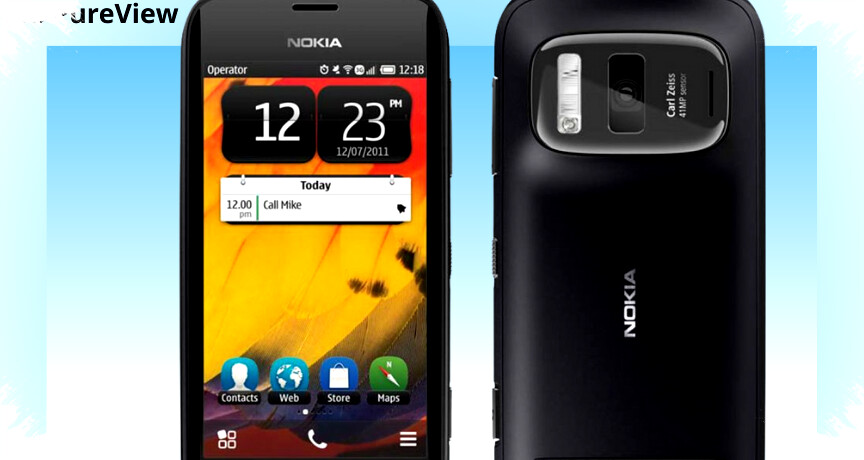
Nokia 808 PureView remains a topic of interest in the mobile photography community despite being released over a decade ago. Its 41-megapixel camera continues to impress in 2026, renowned for capturing sharp, detailed photos with distinct color character.
Launched in 2012, this Nokia phone introduced revolutionary camera technology for its time. It featured a large 1/1.2-inch sensor and premium Carl Zeiss lenses, pioneering PureView technology that used pixel oversampling to reduce noise and enhance photo quality.
The standout feature of the Nokia 808 PureView is its ability to combine multiple pixels into a single high-quality pixel. This technique enables lossless zoom, allowing detailed close-ups without the blurring or detail loss found in many modern smartphone cameras.
Beyond still photography, the Nokia 808 can record Full HD 1080p videos with clear audio quality. Its Xenon flash contributes to more natural night shots compared to the LED flashes common in contemporary phones.
Design and Features
The Nokia 808 PureView sports a robust, classic Nokia design. Its 4-inch AMOLED ClearBlack Display still offers a pleasant viewing experience for photos. The device includes other features that were advanced back then, such as HDMI output, NFC, FM radio, and a removable battery.
However, as a daily smartphone in 2026, the Nokia 808 PureView faces limitations. Running on the outdated Symbian Belle OS, it cannot support current apps like the latest WhatsApp or social media platforms. Its hardware also struggles with modern multitasking and connectivity demands.
Market and Collector Value
Despite these drawbacks, the Nokia 808 PureView holds special value for collectors and photography purists. Its original photo rendering—with minimal software manipulation—offers a unique, natural aesthetic rare among today’s AI-enhanced smartphone cameras.
In the secondhand market of 2026, pricing reflects condition: units in good working order typically sell for around Rp1.5 million (approximately $100) up to Rp3 million ($200). Well-preserved models complete with original packaging and accessories can command prices between Rp3.5 million and Rp4 million ($230 to $260).
Comparing Nokia 808 PureView to Modern Cameras Like iPhone
While flagship smartphones like the iPhone utilize computational photography to enhance image quality, the Nokia 808 PureView relies on superior sensor size and optics. This approach results in photos with excellent detail and color fidelity, especially in well-lit conditions.
The PureView’s large sensor (1/1.2 inch) still outmatches the sensor size of many modern smartphones, offering advantages in dynamic range and low-light performance. Modern phones often compensate with AI algorithms that may introduce processing artifacts or artificial sharpening.
Why Does the Nokia 808 PureView Still Matter in 2026?
In a smartphone market dominated by AI-enhanced photography, the Nokia 808 PureView serves as a reminder that optical hardware remains crucial. Its photographic output appeals to users seeking authentic image quality with less post-processing.
For enthusiasts and collectors, the device represents a milestone in mobile camera history. It showcases how innovative sensor technology combined with quality lenses can deliver impressive results, even by today’s standards. This legacy endures despite the phone’s dated software and limited general usability.
Understanding the Nokia 808 PureView’s place helps appreciate the evolution of mobile photography. It also explains why a decade-old phone still garners attention alongside the latest flagship smartphones.