


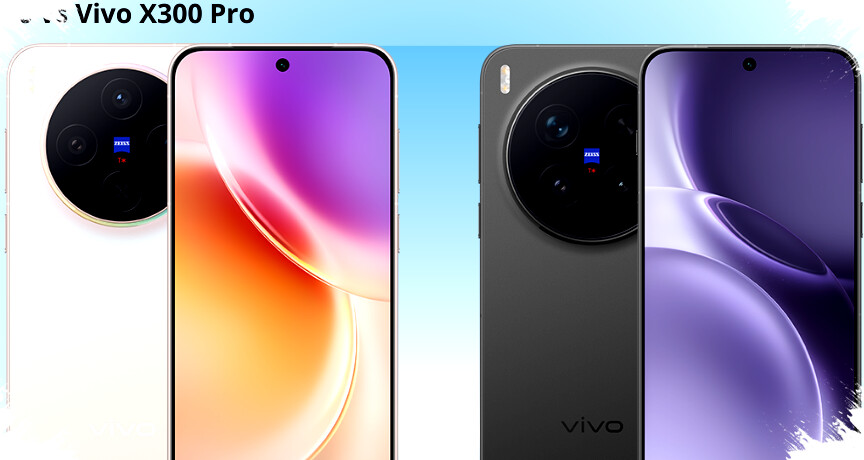
Vivo introduces two new flagship smartphones, the Vivo X300 and Vivo X300 Pro, both created in partnership with ZEISS to deliver premium camera experiences. Although sharing the same lineage, each phone targets a unique photography style, sparking curiosity among users about their actual camera performance.
The Vivo X300 focuses on ultra-high-resolution photography with its 200 MP ZEISS Ultra-Clear main sensor, combined with a 50 MP ZEISS APO telephoto lens offering 3x optical zoom and a 50 MP ultrawide camera. This setup prioritizes capturing extreme detail, making it ideal for landscapes, portraits, and cropping photos without losing clarity. Optical Image Stabilization (OIS) is included on the main camera to aid steady shots.
In contrast, the Vivo X300 Pro emphasizes zoom capabilities and stabilization. It features a 50 MP ZEISS gimbal-grade main sensor equipped with Sony’s LYT-828 sensor, joined by an impressive 200 MP periscope telephoto lens that supports up to 30x zoom. This camera setup benefits from both OIS and a gimbal stabilization system, which greatly improves sharpness and reduces blur in long-range shots.
Daylight Photo Quality: Detail Versus Natural Colors
In well-lit conditions, the Vivo X300 delivers large, highly detailed images thanks to its 200 MP sensor. The extra resolution offers flexibility for post-processing or cropping while maintaining clarity. However, the Vivo X300 Pro produces photos with more balanced dynamic range and natural color tones, even though it has a lower resolution main sensor. Reviewers note that the Pro model’s images appear more consistent and pleasing across various daylight environments.
Zoom Performance: Pro’s Clear Advantage
The most significant difference lies in zoom technology. While Vivo X300’s telephoto lens performs well for medium-range shots, the Vivo X300 Pro’s periscope lens allows for detailed and stable images at up to 30x zoom. This feature makes the Pro model particularly suitable for capturing distant subjects like concerts, sports, or any scene difficult to approach physically.
Low-Light Photography: Stability and Sharpness
At night or in dim lighting, the Vivo X300 uses pixel-binning to enhance light capture, producing relatively bright images but with some vulnerability to camera shake. Meanwhile, the Vivo X300 Pro’s gimbal OIS substantially reduces blur, resulting in sharper nighttime photos. This superior stabilization ensures higher quality images when lighting conditions challenge most smartphones.
Video Recording Capabilities
For video, the Vivo X300 supports up to 4K resolution, which meets the demands of casual content creators and social media users. The Vivo X300 Pro raises the bar by offering 8K video recording in select modes, coupled with enhanced stabilization even when zooming. These features provide content creators with professional-grade tools for smoother and more detailed footage.
Choosing the Right Camera Flagship
-
Vivo X300: Designed for users who want maximum image detail and versatility in photo editing. Its high-resolution sensor shines for day-to-day photography focusing on clarity and fine detail.
- Vivo X300 Pro: Tailored to those who prioritize long-range zoom, video quality, and stable low-light photography. The advanced stabilization and zoom features suit action shots and professional video recording.
Both models leverage advanced ZEISS optics and deliver flagship-level camera experiences. The choice depends on whether users value pixel-rich detail or powerful zoom and stabilization.
Pricing for these models, converted to USD, begins approximately at $700 for the Vivo X300 and around $900 for the Vivo X300 Pro, making them competitive options within the premium smartphone market. Their camera setups are particularly notable for pushing the boundaries of mobile photography in 2026.
Overall, Vivo’s new flagship cameras cater to different photographic needs, providing consumers with options to match their distinct shooting preferences. Whether capturing ultra-detailed landscapes or distant subjects with impressive zoom, both phones promise high-quality imaging backed by cutting-edge technology from ZEISS and Sony.