


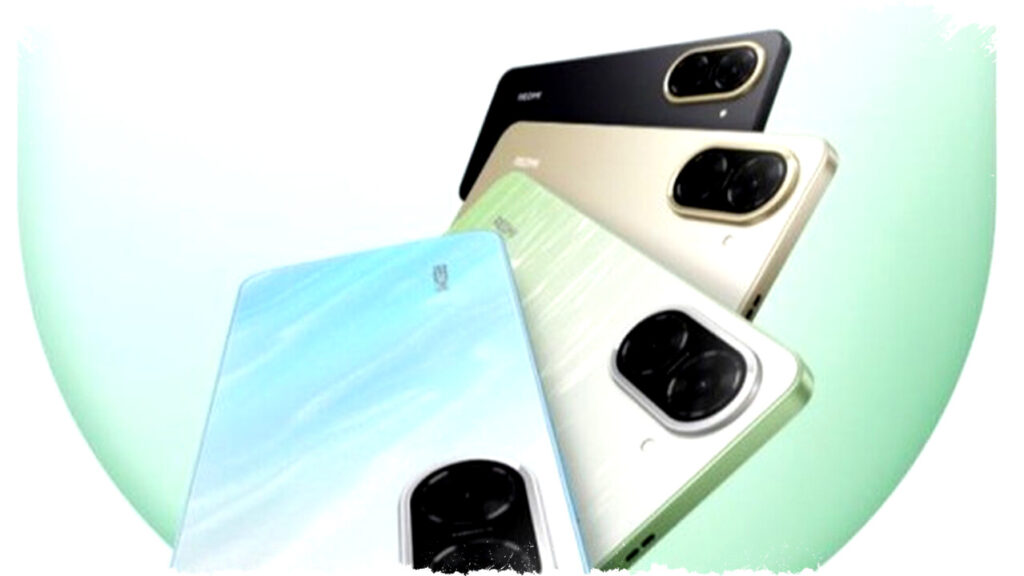
In 2026, the demand for affordable yet capable smartphones among students continues to rise sharply. Many students experience sluggish phones during online exams, which adversely affects their performance despite thorough preparation. This situation underscores the need for budget-friendly phones that can handle the demands of online learning smoothly and efficiently.
Students no longer need to sacrifice quality for price. Today’s market offers several budget smartphones equipped with generous RAM and long-lasting batteries—perfect for uninterrupted study sessions. Here are three standout models tailored for students aiming to enhance their online learning experience while managing their expenses wisely.
1. Redmi A5
Redmi A5 is an excellent choice for students with tight budgets, priced at around 1 million Indonesian Rupiah, or approximately $67 USD. It features a large 6.8-inch display with a smooth refresh rate, ideal for reading study materials and scrolling through educational apps. Powered by a Unisoc T7250 chipset, the phone includes 4 GB of RAM and 128 GB storage, delivering smooth performance for apps like Google Classroom and Zoom.
Additionally, its hefty 5,200 mAh battery supports fast charging at 15 watts, enabling all-day use without worrying about running out of power. The 32-megapixel rear camera and 8-megapixel front camera are suitable for snapping photos of assignments and participating in video calls with teachers.
2. Samsung A07
Samsung A07 stands out with the Mediatek Helio G99 chipset, offering both speed and durability for extended usage. It comes with an IP54 rating, protecting the device against dust and light water splashes, perfect for active students involved in outdoor school activities. This device features a spacious 5,000 mAh battery combined with a 25-watt charger included in the box, allowing students to power through their online classes comfortably.
The phone sports a 50-megapixel camera for high-quality photos, useful for submitting clear images of coursework. Its IPS display with a 90 Hz refresh rate ensures smooth reading of e-books and watching educational videos, supporting an engaging learning environment.
3. Itel City 100
Priced similarly at about $67 USD, the Itel City 100 offers impressive durability with an IP64 certification, promising resistance against dust and water jets, and it is built to withstand drops. This makes it a reliable companion for students who may be prone to accidental mishandling.
The smartphone is powered by the Unisoc T7250 chip and offers options between 6 or 8 GB RAM, paired with 128 GB UFS 2.2 storage, delivering excellent multitasking abilities to run various learning applications simultaneously. Its 6.72-inch screen with a 90 Hz refresh rate and 700 nits brightness enhances outdoor usability, making it easy for students to focus on learning from any environment.
Summary of Key Features
| Phone Model | Approximate Price (USD) | RAM | Storage | Battery (mAh) | Refresh Rate | Special Features |
|---|---|---|---|---|---|---|
| Redmi A5 | $67 | 4 GB | 128 GB | 5200 | Smooth | Fast Charging 15W |
| Samsung A07 | $67 | Not specified | Not specified | 5000 | 90 Hz | IP54 water & dust resistance |
| Itel City 100 | $67 | 6 or 8 GB | 128 GB UFS 2.2 | 5200 | 90 Hz | IP64 certified, rugged build |
These three models offer students a balanced combination of affordability, performance, and durability, essential for the modern demands of online education. They maintain smooth operation during video conferencing, quick app switching, and extended hours of usage without frequent charging. Selecting a smartphone like Redmi A5, Samsung A07, or Itel City 100 can dramatically improve a student’s online learning effectiveness while keeping costs low.
With such options readily available in 2026, students can confidently invest in mobile devices that support their education activities. The availability of phones with large RAM, durable batteries, and reliable cameras ensures that learning online becomes smoother and less stressful on the budget, empowering more students to succeed in digital classrooms without technical setbacks.