Huawei’s Nova 14 Pro camera system introduces a breakthrough in smartphone photography by integrating a mechanical variable aperture and an advanced RYYB sensor. This combination brings professional-grade imaging control and superior low-light performance to the mid-range smartphone market. The device is designed to deliver photos with cinematic quality, resembling real film aesthetics that photographers and filmmakers seek.
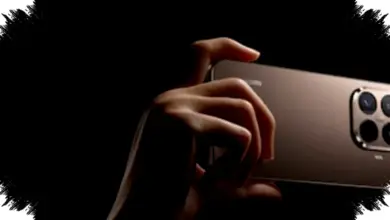
At the heart of the Nova 14 Pro’s innovation is its adjustable physical aperture ranging from f/1.4 to f/4.0. Unlike most smartphones that rely heavily on AI for background blur effects, this phone features mechanical aperture blades that physically open and close. This allows users to precisely control the amount of light entering the lens and the depth of field, enabling natural bokeh at wide apertures or sharper background detail at narrower settings. Such control elevates the creative possibilities, making it easier to achieve film-like portrait shots without digital distortion.
The RYYB Sensor: Enhancing Light Intake by 40%
A key technological advancement of Nova 14 Pro lies in its primary 50-megapixel camera outfitted with a RYYB (Red-Yellow-Yellow-Blue) sensor. Traditional sensors typically use RGGB (Red-Green-Green-Blue) filter arrays, which struggle under low-light conditions. Huawei replaced green pixels with yellow ones, which capture a broader spectrum of light. According to Huawei, this design boosts light intake by up to 40% compared to conventional sensors. The result is remarkable: night and low-light photos retain rich detail and minimal noise, closely mirroring real-life clarity.
Coupled with Huawei’s Ultra Chroma color processing system, the sensor creates images with an expanded color range featuring 1.5 million color channels. This ensures that skin tones look vivid and lifelike, even under challenging lighting, such as neon or dim theater environments. This synergy between hardware and color science redefines the smartphone’s photographic color accuracy and dynamic range.
Advanced Videography and Telephoto Capabilities
For video enthusiasts, Nova 14 Pro’s camera integrates Optical Image Stabilization (OIS) enhanced by AI algorithms. This coupling delivers steady footage when shooting handheld, mimicking the smooth motion typically achieved with gimbals. It substantially reduces shake and jitter, creating cinematic video output on a handheld device.
The telephoto camera with a 12 MP sensor supports 3x optical zoom and also benefits from OIS technology. This lens is optimized for capturing sharp, dramatic close-ups and portraits from a distance. It compresses the background nicely to isolate subjects, a technique often used in narrative filmmaking to enhance visual storytelling.
Comprehensive Camera Specifications
- Main Camera: 50 MP with variable aperture f/1.4 to f/4.0, RYYB sensor, OIS
- Telephoto Camera: 12 MP, 3x optical zoom, OIS
- Ultrawide Camera: 8 MP with 112° field of view, macro support
- Front Cameras: Dual front setup with 50 MP wide and 8 MP telephoto close-up lens
- Video Capabilities: 4K video recording at 60fps, HDR Vivid, cinematic bokeh video effects
- Color Technology: Ultra Chroma Spectrum with 1.5 million color channels
Studio-Level Selfie Experience
Huawei also targets content creators with its dual front camera setup. The primary 50 MP lens works alongside an 8 MP telephoto close-up lens capable of 2x optical and up to 5x digital zoom. This arrangement captures minute facial details and makeup textures with impressive fidelity, akin to professional studio close-ups. The added flexibility benefits vloggers, streamers, and selfie enthusiasts who demand sharpness and nuanced expression capture.
Redefining Mid-Range Smartphone Photography
Priced competitively at around $550 USD, the Huawei Nova 14 Pro challenges the conventions of smartphone photography by offering tools that go beyond automated processes. Its mechanical aperture allows physical manipulation of image characteristics, and the RYYB sensor ensures high performance even in difficult lighting. These features make it a compelling choice for users who want to shoot with a cinematic aesthetic but without investing in bulky, professional cameras.
In integrating detailed manual controls and sophisticated sensor technologies within a sleek device, the Nova 14 Pro blurs the line between smartphone and cinema camera. Huawei reaffirms that modern smartphone photography is not just about pixel counts or AI enhancements but about tangible hardware innovations that empower creative expression. This phone becomes more than just a communication tool — it is a versatile cinematic camera that fits right in the palm of your hand.
-

-
-
-