


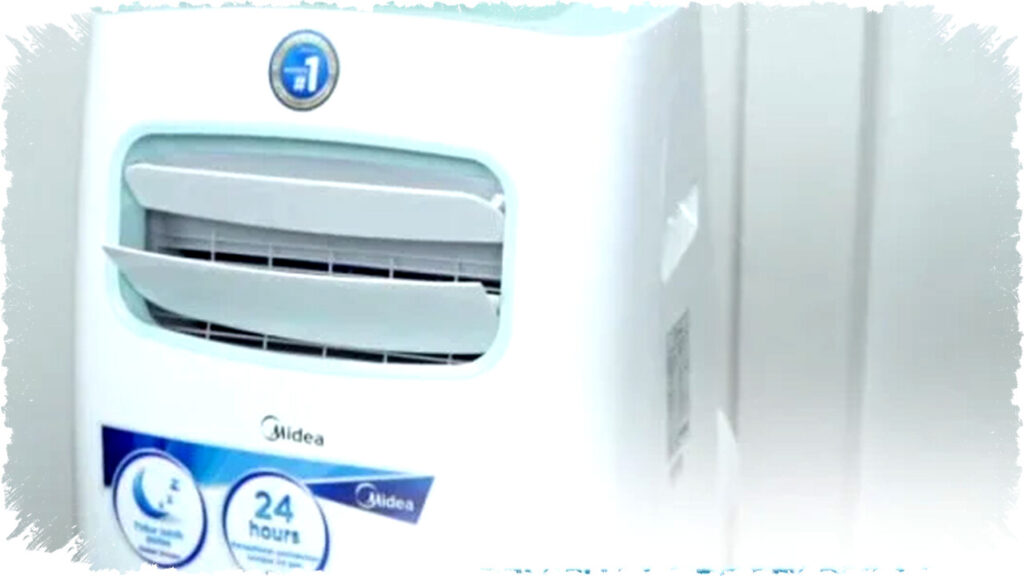
Midea, a well-known Chinese electronics brand, introduced its 2026 Portable AC series with claims of energy efficiency and user convenience for modern home and office spaces. These portable air conditioners range from ½ PK (approximately 500 watts cooling capacity) to 1 PK (about 1000 watts), designed to cool small to medium-sized rooms without requiring permanent installation.
Official manufacturer data states that the ½ PK model consumes around 560 watts, while the 1 PK variant uses roughly 1,000 watts. The units deliver cooling power close to 9,000 BTU/h, suitable for personal or small room use. Additionally, inverter technology incorporated in some models reduces energy consumption by approximately 40% compared to traditional non-inverter units, enhancing overall efficiency amid rising electricity costs.
Energy Efficiency and Consumption
The Energy Efficiency Ratio (EER) for the Midea 2026 portable AC series remains competitive within its class. This means users can expect relatively low electricity use for the cooling services provided. However, independent reviews suggest that actual energy efficiency may vary based on room size, hose installation, and window insulation. Proper setup plays a vital role in maximizing the unit’s performance and minimizing wastage.
Some users note that single-hose units, common in portable ACs, face inherent limitations. These units can struggle with thermal exchange efficiency since the exhaust mechanism can pull in warm air from outside, reducing cooling effectiveness. In contrast, dual-hose models typically offer better air circulation balance but may come at a higher price point.
Features and User Experience
Midea’s 2026 portable air conditioners come equipped with a unique hose-in-hose design intended to optimize air flow and prevent hot air from re-entering the cooled space. The cooling system includes “Real Cool” technology combined with a 102° dynamic cool swing fan to distribute cold air evenly throughout the room.
Noise levels are kept relatively low, starting around 42 decibels, which is comparable to a quiet library environment. Modern control options also enhance usability, including integration with SmartHome apps, Google Assistant, and Alexa voice control. Additional features such as a 24-hour timer and sleep mode improve convenience and energy management.
Comparison with Split AC Units
While portable air conditioners shine in terms of mobility and ease of setup, split AC systems usually offer superior cooling power and energy efficiency for larger spaces. Split units have dedicated indoor and outdoor components, allowing more efficient heat exchange and quieter operation.
Portable AC units, including Midea’s 2026 series, are best suited for small to medium rooms where installation flexibility is prioritized over maximum cooling capacity. Their lower upfront and installation costs can be attractive for renters or those with limited space. Nevertheless, for extensive or highly demanding cooling needs, split ACs might prove more cost-effective in the long term regarding electricity consumption and performance.
Practical Considerations for Buyers
When deciding between the Midea Portable AC 2026 and a split air conditioner, consider the following:
- Room Size: Portable ACs are optimal for rooms up to around 20 square meters.
- Installation Flexibility: Portable units require no fixed installation, ideal for temporary or multi-room use.
- Energy Consumption: Look for inverter models for better efficiency.
- Noise Sensitivity: Portable ACs tend to be louder due to internal components and hose setup.
- Budget: Portable units are generally less expensive initially but may incur higher operating costs in large spaces.
- Cooling Efficiency: Split ACs typically provide stronger and more consistent cooling for large or open areas.
Midea’s 2026 portable AC line strives to balance convenience and energy efficiency with modern technological features. While claims of up to 80% electricity savings are compelling, actual performance depends greatly on correct usage conditions. Users should carefully evaluate their space requirements, environmental factors, and installation possibilities before making a purchase decision.
Overall, the Midea Portable AC 2026 presents a practical cooling solution for those prioritizing mobility, ease of setup, and moderate energy consumption. Assessing specific needs and comparing product specifications will ensure the best fit between portable and split air conditioning options.