The Indonesian government continues to support electric vehicle (EV) adoption in 2026 by maintaining attractive subsidies for eligible models. This initiative targets new electric cars that feature a local component content, known as Tingkat Komponen Dalam Negeri (TKDN), of at least 40%. Buyers can now own advanced EVs at more affordable prices, making the transition to electric mobility easier.
Not all EVs qualify for these subsidies, as the TKDN requirement ensures significant local manufacturing involvement. The program includes exemption from luxury goods sales tax (PPnBM) and value-added tax compensation (PPN Ditanggung Pemerintah), reducing the overall cost for consumers. Below is a list of subsidized electric cars available this year with their key details and pricing.
1. Wuling Air EV
Wuling Air EV remains a top choice for city driving in Indonesia. It is compact, practical, and specially designed for urban mobility. This model fully meets the 40% local content rule, allowing it to qualify for government subsidies. After incentives, the standard range version is priced around Rp218 million (approximately $14,500). The long-range variant, which offers a larger battery and extended driving distance, is listed at Rp260-270 million ($17,300–$17,900).
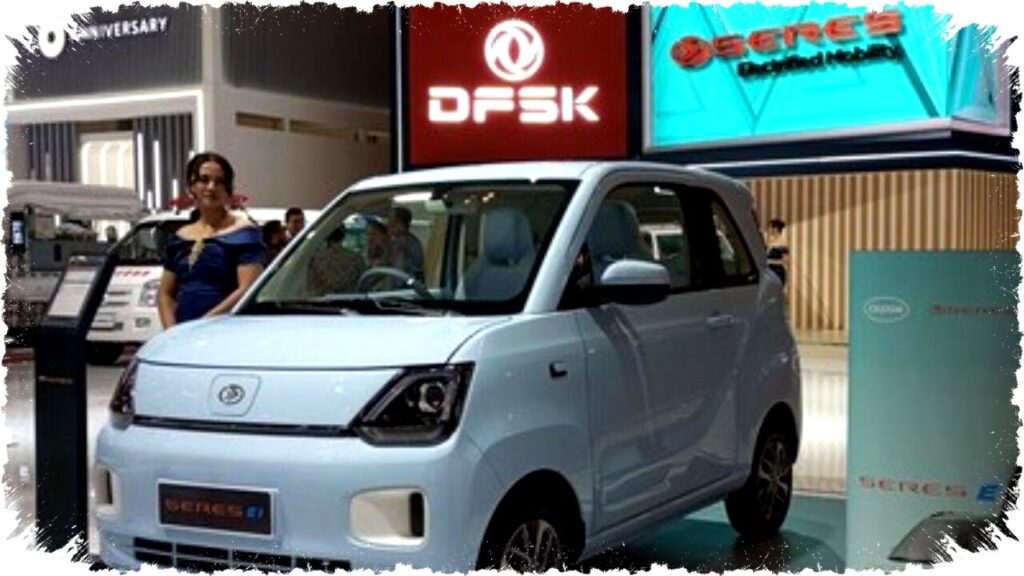
2. Seres E1
Seres E1 is another affordable electric vehicle option, with prices ranging from Rp180 million to Rp230 million ($11,900 to $15,200) depending on the variant. While it fits the budget-friendly segment, its subsidy status is less clear. Potential buyers should confirm if the model they purchase receives the full tax breaks, as this can significantly impact ownership costs.
3. Premium Segment Models
For those seeking higher-end EVs, models like Wuling Binguo EV and Hyundai Ioniq 5 are available with government subsidies. However, their prices start above Rp300 million (roughly $20,000), positioning them in the mid-to-upper market segment. These vehicles offer enhanced features, larger battery capacities, and longer driving ranges but come at a premium price even after incentives.
The government’s tax-based incentives demonstrate a committed effort to advance electric mobility in Indonesia. By encouraging the purchase of locally manufactured vehicles with substantial Indonesian components, the policy aims to boost the domestic EV industry and reduce pollution. The move also aligns with global trends promoting sustainable and clean transportation.
Consumers looking for an affordable entry into electric vehicles can consider the Wuling Air EV and Seres E1 for their balance of technology and subsidy benefits. Urban drivers may particularly appreciate the compact size and cost efficiency of these models.
To sum up, the subsidized electric cars list for 2026 affirms Indonesia’s initiative to make EV ownership accessible and cost-effective. Buyers should verify each model’s subsidy eligibility and local content compliance to maximize benefits. This approach will allow more people to enjoy modern electric vehicles that are both environmentally friendly and wallet-friendly.