


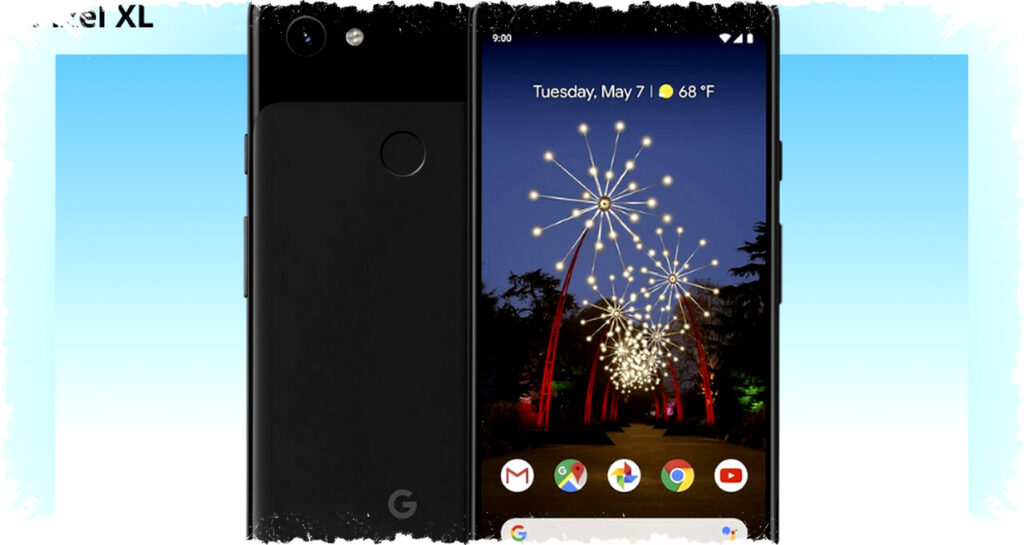
Google Pixel XL, launched in October 2016, marked a significant milestone in Android smartphone history. It was the first device under Google’s Pixel brand, ending the Nexus era and beginning a new chapter focused on premium hardware-software integration.
Despite being discontinued and nearly a decade old by 2026, Pixel XL continues to be recognized for pioneering pure Android experience and computational photography. This flagship was designed to seamlessly unite Google’s hardware, software, and services into one ecosystem.
Impressive Specifications at Launch
When introduced, the Pixel XL featured a 5.5-inch Quad-HD AMOLED display with a sharp resolution of 1440 x 2560 pixels and 534 ppi density. The screen displayed vibrant colors and deep contrasts typical of AMOLED technology, making it a standout among its contemporaries.
Powered by the Qualcomm Snapdragon 821 chipset and equipped with 4 GB of RAM, the device offered two storage options: 32 GB and 128 GB, though it did not support microSD card expansion. The 3450 mAh battery supported fast charging through USB Power Delivery, providing practical usage endurance for its time.
Revolutionizing Mobile Photography
The Pixel XL’s defining feature was its camera. It incorporated a 12.3 MP rear sensor combined with Google’s HDR+ computational photography technology. This allowed the phone to capture images with an impressive dynamic range, sharp details, and natural colors. These qualities rivaled many high-end smartphones of that era, despite the camera’s modest megapixel count compared to competitors.
This innovative approach laid the foundation for Google’s continued leadership in mobile photography in subsequent Pixel generations.
Pure Android and The Birth of Google Assistant
The Pixel XL was also the first device to introduce Google Assistant exclusively. Its stock Android operating system, free from unnecessary pre-installed apps, delivered a clean, responsive, and smooth user experience. This helped the Pixel XL become a preferred choice for users who appreciate unmodified Android.
Although official Android updates have ceased, the strong developer community still supports custom ROMs, allowing enthusiasts to keep the device functional and experiment with new software experiences.
Challenges Amid Modern Standards
As technology advanced, Google Pixel XL’s limitations became more apparent. The Snapdragon 821 chipset is now outdated for demanding apps and modern gaming. Its thick bezels and 16:9 display ratio contrast starkly with the slim, edge-to-edge screens common on current smartphones.
The lack of expandable memory and discontinuation of official software updates further restrict its practicality for everyday use. These factors make the Pixel XL less suitable as a primary device for most users in 2026.
Use Cases in 2026
Today, the Pixel XL is best suited as a secondary phone, collector’s item, or as a platform for Android modding and experimentation. It holds historical significance in the Android ecosystem and appeals to fans of pure Android and classic mobile photography.
For users seeking a reliable primary smartphone with modern capabilities, newer Pixel models or competing flagship devices would be more appropriate. However, the Pixel XL’s legacy as Google’s first Pixel phone and as a pioneer of computational photography remains influential.
Key Features of Google Pixel XL:
- 5.5-inch Quad-HD AMOLED display (1440 x 2560 pixels, 534 ppi)
- Qualcomm Snapdragon 821 processor
- 4 GB RAM with 32/128 GB internal storage (no microSD support)
- 12.3 MP rear camera with HDR+ technology
- 3450 mAh battery with USB Power Delivery fast charging
- Stock Android with initial exclusive Google Assistant support
The Google Pixel XL represents a turning point in smartphone history. Its impact on photography and Android purity continues to resonate even in 2026, highlighting the importance of innovation and integration in mobile technology development.