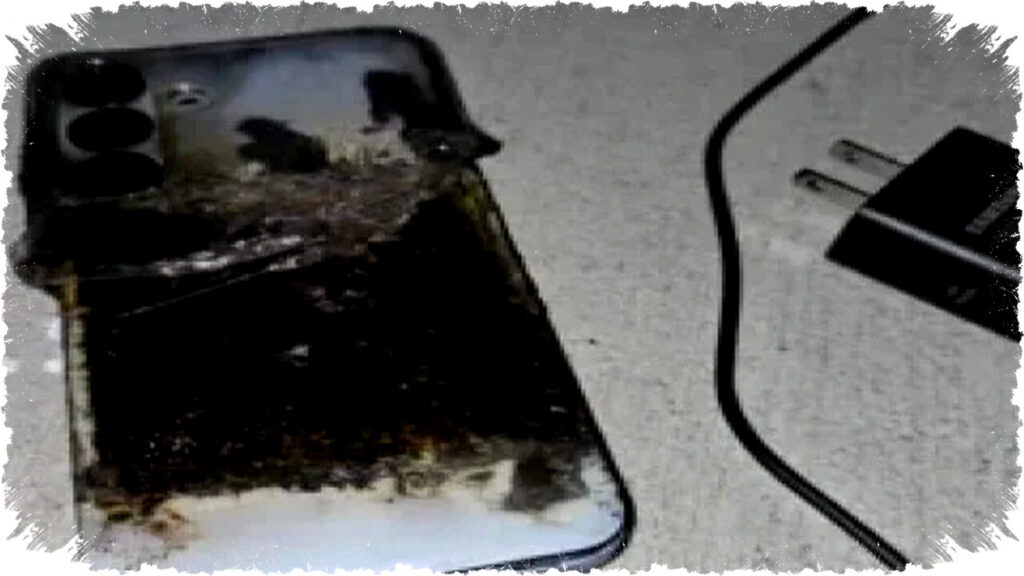
Samsung Galaxy S25+ unexpectedly caught fire while charging in November 2025, causing serious damage and health concerns. The device, only two months old, exploded without warning despite using official Samsung chargers. This alarming event brought battery safety to the spotlight once again.
Understanding the Cause: Thermal Runaway in Batteries
Investigations revealed the root cause as thermal runaway, a dangerous lithium-ion battery failure. Thermal runaway occurs when heat inside the battery cell increases uncontrollably, triggering a chain reaction that results in fire or explosion. Experts confirmed this after analyzing the charred remains of the phone and collecting reports from local firefighters. The heat was so intense that it burned nearby carpets and filled the home with toxic smoke.
Thermal runaway is not unique to the Galaxy S25+ but remains a critical hazard in all lithium-ion batteries if internal protections fail. Samsung’s own fire and marine insurance unit validated this finding after a thorough two-month review. The company accepted full liability for the incident, marking a rare public acknowledgment of fault by a top smartphone manufacturer for battery-related fires.
Health and Property Impact
The family affected by the blaze reported respiratory issues due to inhaling thick toxic smoke released by the burning battery. Medical treatment was required, highlighting the physical risks of such incidents. Meanwhile, the fire caused extensive property damage, including destruction of household items and interior surfaces.
Samsung promised to cover the cost of cleaning and restoring the home, replacing the damaged Galaxy S25+ device, and all related medical expenses. These measures aimed to provide comprehensive relief to the victimized family.
Controversy Over Compensation
Despite Samsung’s acceptance of responsibility, its compensation offer sparked debate in online tech communities. The company proposed a payment of $500 per person for pain and suffering caused by the incident. Several observers found this amount insufficient given the severity of the trauma and ongoing health risks from toxic smoke exposure.
Critics argued that the compensation undervalued the psychological and long-term medical implications of such a hazardous event. The controversy highlighted the tension between corporate liability limits and consumer expectations in severe product safety failures.
Broader Safety Concerns for Galaxy S25 Series
Adding to public unease, additional reports from Galaxy S25 users revealed incidents of device overheating and potential fire hazards. These cases raised questions about the thoroughness of Samsung’s battery safety protocols even in flagship devices that typically undergo rigorous testing.
Samsung claims to enforce stringent battery testing standards designed to prevent malfunctions like thermal runaway. However, the company has not issued a broad public statement regarding widespread safety concerns. Their communications so far remain limited to affected customers, leaving many observers and consumers demanding greater transparency and accountability.
Steps Samsung and Users Should Consider
In light of these events and ongoing investigations, certain measures are advisable for both the company and consumers:
- Samsung should enhance public communication on battery safety improvements and incident investigations.
- Independent audits of battery design and manufacturing processes could help restore consumer confidence.
- Users should monitor device temperatures regularly and avoid charging unattended or overnight.
- Employing only official chargers and cables remains essential to reduce risks.
- Immediate reporting and cessation of device use upon any indication of overheating can prevent accidents.
The Galaxy S25+ abrupt combustion reminds that even cutting-edge smartphones can encounter critical battery failures. It underscores the importance of continued safety innovation and attentive user practices. Samsung’s acceptance of liability and compensation steps set a precedent but also illuminate the complex challenges manufacturers face managing lithium-ion battery risks in modern devices.
This incident will likely fuel industry-wide assessments to strengthen safeguards and protect consumers from similar hazards in future smartphone generations.