


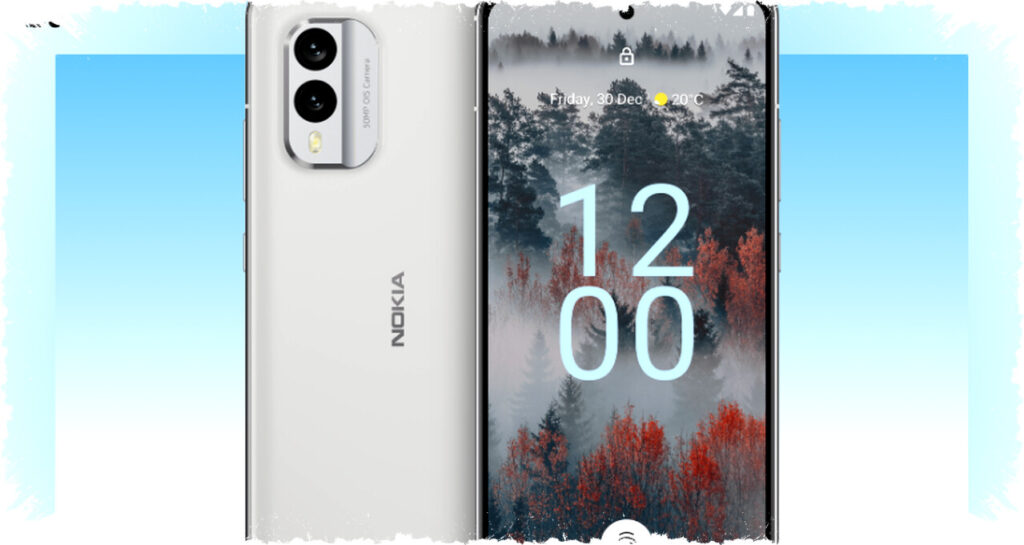
Nokia X30 5G remains a standout choice in 2026 due to its strong commitment to environmental sustainability combined with a premium design and practical features. This mid-range smartphone appeals to users seeking an eco-friendly device without compromising on performance or durability.
The chassis of the Nokia X30 is crafted from 100% recycled aluminum, marking it as one of the most sustainable smartphones in its segment. Its rear panel consists of up to 65% recycled plastic, underscoring Nokia’s initiative to reduce e-waste and carbon footprint. The packaging is fully recyclable, and Nokia excludes a charger from the box to further minimize electronic waste.
Durable and Eco-Conscious Design
Weighing approximately 185 grams, the Nokia X30 exhibits a sleek and minimalist design. It features a 6.43-inch AMOLED display with Full HD+ resolution and a smooth 90Hz refresh rate, delivering vivid visuals and fluid interactivity suitable for everyday tasks and media consumption. The screen is protected by Gorilla Glass Victus, enhancing resistance to scratches and drops.
Additionally, the phone is IP67 certified, offering reliable protection against dust and water immersion up to one meter for 30 minutes. This certification adds to the device’s longevity and reinforces Nokia’s objective to provide a phone designed for extended use.
Strong Performance for Daily Needs
Under the hood, the Nokia X30 is powered by the Snapdragon 695 5G chipset, paired with up to 8 GB of RAM and 256 GB of internal storage. This hardware configuration ensures smooth multitasking and responsiveness for streaming, social networking, and light productivity activities. While it does not target hardcore gaming, the device maintains stable performance with energy efficiency.
The 4,200mAh battery supports up to a full day of normal use, complemented by 33W fast charging. Users need to provide their own charger since the company removed it from the package to align with sustainable practices. This trade-off supports reducing electronic waste without significantly inconveniencing consumers.
Camera with Optical Image Stabilization
Photographic capabilities of the Nokia X30 5G include a 50 MP primary sensor equipped with Optical Image Stabilization (OIS). OIS assists in capturing sharper images in low-light environments and steady videos without jitter. The secondary camera is a 13 MP ultra-wide lens, providing versatility for expansive shots.
For selfies and video calls, the front camera offers 16 MP resolution, adequate for most users’ needs. The inclusion of OIS in this mid-range device is a notable feature, enhancing image clarity and video quality compared to competitors lacking stabilization technology.
Extended Software Support
Nokia commits to software longevity by providing up to three years of operating system updates alongside regular security patches. This sustained support helps users extend the phone’s usable lifespan and defers the environmental impacts associated with frequent device replacements.
Key Specifications Summary
| Feature | Specification |
|---|---|
| Body Material | 100% Recycled Aluminum frame, 65% recycled plastic back |
| Display | 6.43-inch AMOLED, Full HD+, 90Hz refresh rate |
| Protection | Gorilla Glass Victus, IP67 dust and water resistance |
| Processor | Snapdragon 695 5G |
| RAM | Up to 8 GB |
| Storage | Up to 256 GB |
| Main Camera | 50 MP with OIS + 13 MP ultra-wide |
| Front Camera | 16 MP |
| Battery | 4,200 mAh, 33W fast charging (charger not included) |
| Software Updates | 3 years of OS and security updates |
Despite not featuring the latest flagship specifications in 2026, the Nokia X30 5G distinguishes itself by harmonizing environmental responsibility with user convenience. This approach aligns with industry trends where sustainability becomes a core consideration for consumers and manufacturers alike.
By emphasizing recycled materials, long-lasting design, and comprehensive software support, Nokia demonstrates a substantive shift toward greener mobile technology. The Nokia X30 5G is not just a communication tool but a symbol of a more sustainable future in the smartphone market.