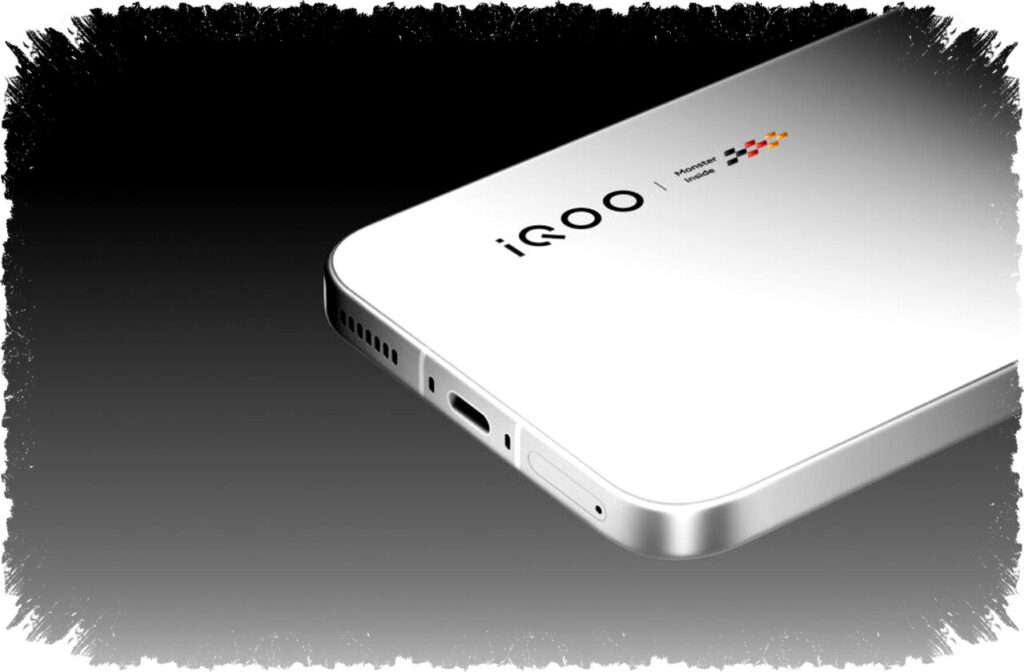
iQoo has officially announced the upcoming launch of its flagship smartphone, the iQoo 15 Ultra, scheduled for release in China on February 4, 2026. This new model is designed specifically to deliver top-tier gaming performance by incorporating the company’s proprietary Q3 gaming chip alongside an innovative Ice Dome Air Cooling System. The announcement highlights iQoo’s ambition to solidify its presence in the competitive gaming smartphone market by introducing cutting-edge hardware and cooling solutions.
The iQoo 15 Ultra aims to set a new standard for mobile gaming by combining a powerful chipset configuration with advanced thermal management. The device features the Snapdragon 8 Elite Gen 5 chipset, which functions as the primary processing unit. Along with this, the custom-developed Q3 gaming chip handles graphics and computation tasks, enabling enhanced visual performance. According to official teasers shared on iQoo’s Weibo account, the Q3 chip supports three major graphical enhancements simultaneously: native 2K resolution, 120 fps frame interpolation, and full-scenario ray tracing. These features are typically found on high-end gaming consoles or gaming PCs, marking a significant leap in mobile gaming technology.
Innovative Ice Dome Air Cooling System
Thermal management is critical in high-performance devices, especially gaming smartphones. To address this, iQoo has developed the Ice Dome Air Cooling System, an active cooling solution designed to maintain steady performance during intense gaming sessions. Unlike traditional passive cooling mechanisms commonly used in smartphones, this system integrates an internal fan, concealed air intakes, and a carefully optimized airflow path to efficiently dissipate heat. By actively managing device temperature, the Ice Dome system minimizes thermal throttling, which can degrade performance over time.
The use of such an advanced cooling system in a mainstream smartphone remains rare, giving iQoo a competitive edge in delivering sustained high performance. Gamers benefit from stable frame rates and uninterrupted gameplay without compromising device safety or comfort.
Display, Memory, and Battery
The iQoo 15 Ultra is equipped with a 6.85-inch flat LTPO display panel sourced from Samsung. This screen supports adaptive dynamic refresh rates, allowing the device to adjust the screen’s refresh rate on-the-fly based on usage, which helps in balancing performance with power efficiency. The native resolution of this panel is 2K, maximizing clarity and detail for immersive gaming experiences.
Memory configurations are also impressive, with expectations pointing towards options offering up to 24 GB of RAM and 1 TB of internal storage. These generous specs ensure smooth multitasking, fast load times for games and applications, and ample space for media and files.
The device is rumored to house a large 7,400 mAh battery, supporting 100W fast wired and wireless charging. This battery capacity and charging speed combo is engineered to keep gamers playing longer with minimal downtime for recharging.
Camera Capabilities
While the iQoo 15 Ultra primarily targets gaming enthusiasts, iQoo has not overlooked the device’s photography capabilities. The smartphone is expected to include a triple-camera setup with three 50 MP sensors on the rear, one of which will be a 3x periscope telephoto lens. For selfies and video calls, a 32 MP front camera is anticipated, offering clear and detailed images. This versatile camera system enhances appeal to users who want a multifunctional device without sacrificing gaming features.
Gaming-Centric Features
Beyond hardware, the iQoo 15 Ultra focuses on user experience optimized for gamers. Reports suggest the addition of shoulder triggers for physical game controls, boosting in-game responsiveness. Furthermore, a low-latency touch system is planned for the screen to reduce input delays significantly. These controls aim to deliver a console-like gaming feel, improving precision and reaction times during gameplay.
Early benchmark leaks indicate that the device scores significantly higher than many of its competitors, reinforcing iQoo’s claims regarding its Ultra model’s gaming prowess. This suggests that the integration of the Snapdragon and Q3 chips, combined with the advanced cooling system, effectively boosts real-world gaming performance.
Positioning in the Smartphone Gaming Market
The competitive landscape of gaming smartphones has evolved rapidly in recent years. Major players such as ASUS ROG, Black Shark, and RedMagic have introduced physical controls, sophisticated cooling solutions, and customized hardware tailored for mobile e-sports. iQoo joins this race with a unique approach by developing its own gaming chip and integrating an active cooling mechanism into a flagship device.
This strategy reflects a broader industry trend where OEMs seek greater control over performance optimization by designing in-house components tailored for gaming. Such innovations can lead to better synergy between hardware and software, improved energy efficiency, and enhanced gaming experiences.
Future Implications and Market Reach
The iQoo 15 Ultra is poised to become a benchmark device that combines superior hardware performance, thermal engineering, and gamer-centric features. While the initial launch will be in China, industry watchers anticipate iQoo expanding availability to key growth markets such as India and Indonesia. Pricing adjustments will be crucial in these regions to maintain competitiveness against established gaming smartphone brands.
Moreover, iQoo’s move to introduce the Q3 chipset and Ice Dome cooling system might pressure other manufacturers to adopt similar in-house chips and active cooling solutions. This could mark a shift in standard specifications for future gaming smartphones.
As consumers increasingly demand devices that can handle intensive gaming without overheating or lag, innovations seen in the iQoo 15 Ultra will likely influence design and performance expectations across the sector. Observing how the device performs in real-world scenarios after launch will provide valuable insights into the viability of integrated gaming-specific chips and active cooling in smartphones.