


Vivo has reportedly paused its internal development of AI-powered smart glasses after several months of preparation. This move follows an internal evaluation that raised concerns about the product’s direction and long-term viability.
According to reports from Gizmochina, Vivo had been exploring different design approaches for these smart glasses. These included versions focusing on audio features and others equipped with simple monochrome displays.
The company collaborated with several Original Design Manufacturers (ODMs) to create early demo units. Despite extensive research and prototyping, Vivo’s management concluded that the product lacks a clear differentiation path in its current stage.
A principal challenge identified is the limited room for innovation within the existing supply chain. Most smart glasses rely on similar core components, such as standard chipsets and camera sensors, making it difficult for any brand to stand out in terms of performance, power efficiency, or imaging capabilities.
Even models featuring displays face compromises involving brightness, field of view, battery life, heat management, and production costs. These trade-offs have hindered Vivo’s efforts to deliver a competitive product in this category.
Industry observers interpret Vivo’s decision not as an abandonment of next-generation computing or wearable devices. Instead, the company appears to be consolidating resources toward mixed reality (MR) products, where it has made tangible progress.
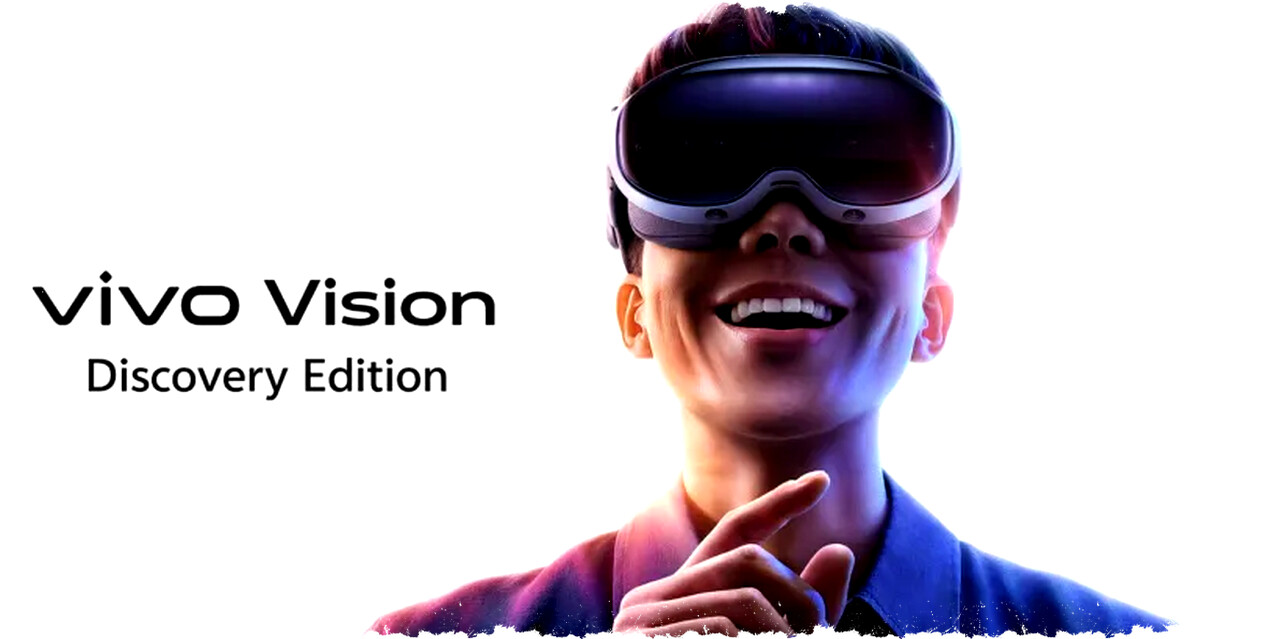
Previously, Vivo introduced the Vivo Vision Discovery Edition MR headset, positioning it as an extension of smartphones and PCs rather than as an independent platform. This suggests the company’s strategic focus will shift to enhancing the ecosystem around mixed reality.
Challenges in AI Smart Glasses Development
- Component Standardization: The smart glasses market is dominated by standardized chipsets and sensors. This creates stiff competition with little room for hardware innovation.
- Technical Trade-offs: Balancing brightness and field of view against battery life and heat dissipation remains a significant hurdle.
- Cost Constraints: High manufacturing costs for display components and sensors affect product affordability and market competitiveness.
Strategic Shift to Mixed Reality
Vivo’s move to pause the AI glasses project may signal a broader industry trend. Many tech companies find mixed reality more promising due to flexible use cases and emerging software ecosystems. Mixed reality devices allow users to blend digital and physical worlds, offering more immersive interactions than traditional AR glasses.
Vivo’s MR headset serves as a companion to existing devices rather than a standalone device. This integration strategy may reduce risk while building a foundation for future products. Concentrating effort on MR could enable Vivo to leverage its existing strengths in smartphone technology and software development.
Market and Industry Implications
Vivo’s suspension highlights the technical and market challenges faced by smart eyewear makers. While consumer interest exists, delivering a sufficiently compelling and practical product remains difficult. The industry is still evolving, and component suppliers have yet to offer truly breakthrough technologies.
Companies shifting toward mixed reality could redefine wearable computing’s next phase. This approach blends augmented reality with virtual reality, opening applications in gaming, productivity, education, and enterprise solutions.
Despite current hurdles, Vivo’s decision to focus on mixed reality signals continued commitment to innovation. The company is likely to revisit AI smart glasses as core technologies improve and supply chains mature.
For now, Vivo’s smart glasses project serves as a cautionary example of the complexities in developing next-generation wearable devices. Balancing hardware limitations, user expectations, and cost remains a delicate challenge in this highly competitive market.
As the XR landscape evolves, Vivo’s experience underscores the importance of strategic focus and technology readiness in bringing innovative products to market. Observers will watch how the company leverages mixed reality momentum as it navigates this dynamic space.