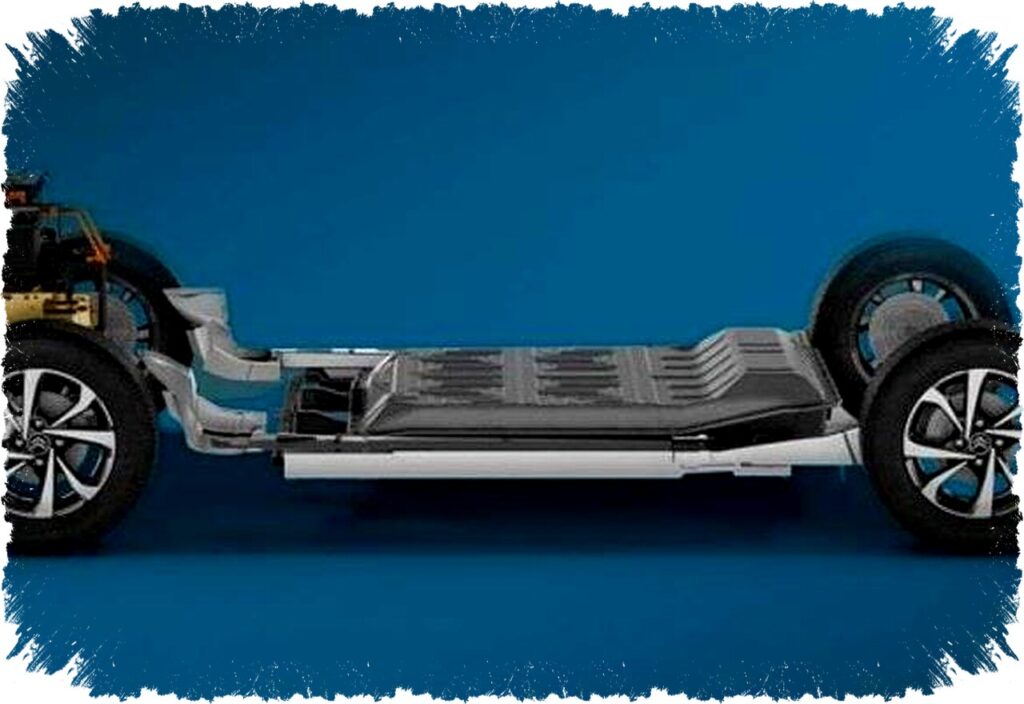
Maintaining the State of Health (SoH) of an electric vehicle’s battery during the rainy season of 2026 requires careful attention. Moisture, fluctuating temperatures, and potential water accumulation can negatively affect the battery’s performance and lifespan.
One essential practice is to avoid exposing the vehicle to excessive water. Steering clear from deep puddles helps reduce the risk of moisture penetrating the electrical system and battery components.
Although modern electric cars are built with protection standards such as IP67 or higher, repeated exposure to water can accelerate the degradation of internal parts. This highlights the importance of limiting contact with water to preserve battery health.
Temperature stability is equally critical. Rainy seasons often bring cooler air but elevated humidity levels make the cooling system work harder. Ensuring the thermal management system is operating efficiently prevents the battery from experiencing extreme temperature swings.
Charging routines also influence battery longevity. It is advisable to charge the battery indoors or under a sheltered area to avoid direct contact with rain. Keeping charging ports clean and dry minimizes corrosion risks, which can hinder charging efficiency.
Driving behavior affects battery condition as well. Avoid sudden accelerations and frequent braking to maintain healthy battery cycles. Smooth driving reduces stress on the battery, particularly as wet roads increase traction control interventions that load the battery more intensely.
Maintaining battery charge levels between 20% and 80% is a recommended approach. This practice helps prevent faster degradation associated with frequently fully charging or deeply discharging the battery.
Routine inspections are crucial to detect and prevent water ingress into the battery compartment. Checking the seals, gaskets, and electrical insulation regularly can prevent leaks and consequent damage.
Rain increases condensation risks, so keeping ventilation and internal drying systems in optimal condition is necessary to mitigate moisture buildup inside the vehicle.
Cleaning the vehicle’s underside after driving through wet or muddy areas prevents dirt buildup that traps moisture around the battery enclosure. This physical protection complements efforts to keep the battery dry.
Summarizing the effective steps in a clear checklist:
1. Avoid driving through deep water or large puddles.
2. Ensure the thermal management system is functional and efficient.
3. Charge the battery in dry, sheltered locations only.
4. Keep charging connectors free from moisture and dirt.
5. Practice smooth acceleration and braking to reduce battery stress.
6. Maintain battery charge between 20% and 80%.
7. Regularly inspect seals, gaskets, and isolation systems for leaks.
8. Maintain ventilation and drying systems to reduce condensation.
9. Clean the vehicle’s underside after exposure to mud or wet roads.
Combining these measures will help preserve the battery’s SoH despite harsh rainy season conditions. Proper care supports longer battery life and sustained electric vehicle performance year-round.
Referencing automotive experts, these steps align with best practices for managing electric car batteries in humid and wet climates. Adopting them improves not only battery durability but also overall safety and reliability in 2026’s rainy periods.