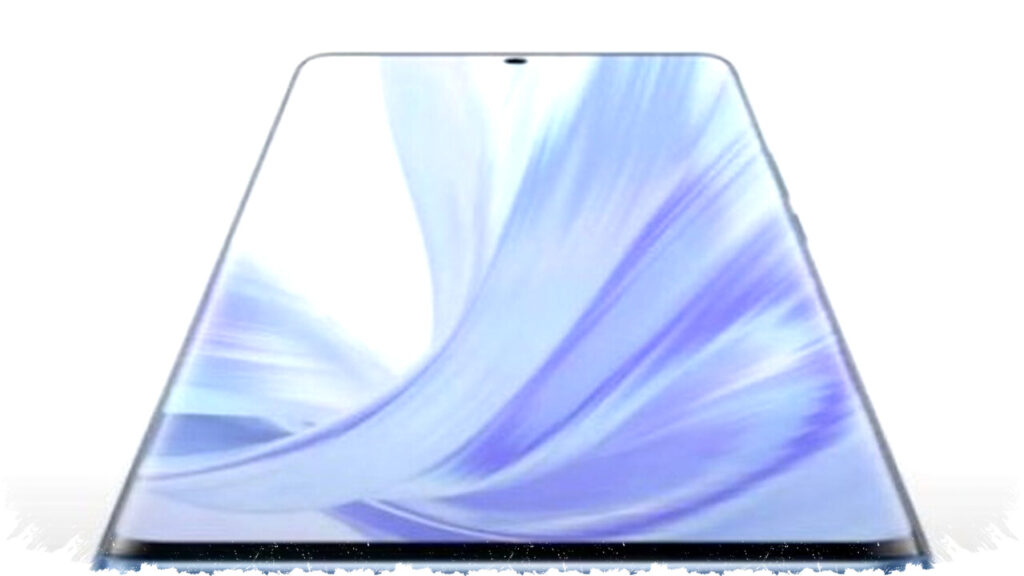
Curved displays have become a defining feature of premium smartphones in 2026. This design not only enhances the aesthetic appeal but also delivers a more immersive visual experience. Consumers increasingly seek smartphones with curved screens for watching videos, gaming, and reading digital content comfortably.
Several leading brands continue to lead the market by integrating high-quality curved displays into their flagship lines. These devices combine advanced technology with sleek designs to meet the expectations of discerning users. Below are four top curved-screen smartphones that have gained significant popularity this year.
1. Samsung – Galaxy S Series
Samsung remains a pioneer in curved display technology through its Galaxy S lineup. The latest models utilize Dynamic AMOLED 2X curved displays, offering vibrant colors and exceptional contrast. These screens feature adaptive refresh rates of up to 120Hz, providing smooth visuals regardless of lighting conditions. According to market data, the Galaxy S25 FE stands out for combining premium features at a competitive price point, approximately $750.
The curved edges contribute both to an elegant look and ergonomic handling. Users report that the display reduces glare and enhances viewing angles, making it ideal for multimedia consumption. Samsung’s commitment to innovation ensures that its curved screens remain a benchmark in the premium segment.
2. OPPO – Find X Series
OPPO’s Find X series is renowned for its futuristic design and cutting-edge technology. These smartphones feature high-resolution AMOLED curved screens with ultra-thin bezels, creating an almost borderless display effect. The use of HDR technology improves dynamic range, enabling richer colors and deeper blacks.
The touch response speed on the Find X line is notably fast, making the phones perfect for gaming and interactive applications. Specialist review sites highlight the OPPO Find X9 Pro, priced around $900, for its balance between design and high-end display performance. This combination maintains OPPO’s appeal among users who prioritize an immersive multimedia experience.
3. Vivo – X Series
Vivo’s X series integrates curved AMOLED displays engineered for a cinematic visual experience. The subtle curvature on the sides of the screen enhances the sense of immersion without compromising comfort when holding the device. Vivo emphasizes display quality by supporting wide color gamut coverage and high brightness levels.
The Vivo X100 Pro, retailing close to $850, exemplifies this approach with smooth animations and minimal screen reflections. Industry analysts note that Vivo’s focus on ergonomics alongside visual brilliance keeps it competitive in the premium market. The curved displays contribute to a more expansive viewing area that is appreciated by content creators and consumers alike.
4. Xiaomi – Flagship Series
Xiaomi incorporates curved AMOLED screens with high resolution and peak brightness in its flagship phones. These displays support elevated refresh rates and come factory-calibrated for color accuracy, appealing to users who demand detail-oriented visual performance. The Xiaomi 14T, priced roughly at $700, offers an advanced curved display tailored for multimedia and productivity.
Experts point out that Xiaomi successfully balances cost and premium screen technology by using cutting-edge components without a steep price increase. This strategy has earned Xiaomi a loyal following for delivering flagship features at a competitive price point. The curved display enhances both visual depth and device handling comfort.
The Rise of Curved Displays in 2026
By 2026, curved screens are no longer a mere stylistic trend but a standard in premium smartphones. They are designed to maximize screen real estate while delivering an engaging user experience. The careful calibration of color, brightness, and refresh rates across these devices reveals manufacturers’ dedication to superior display technology.
Samsung, OPPO, Vivo, and Xiaomi demonstrate how curved displays have evolved to meet diverse user needs—from vibrant colors and smooth performances to ergonomic designs. This technology continues to be a pivotal factor influencing smartphone sales and user satisfaction in the current market landscape.