


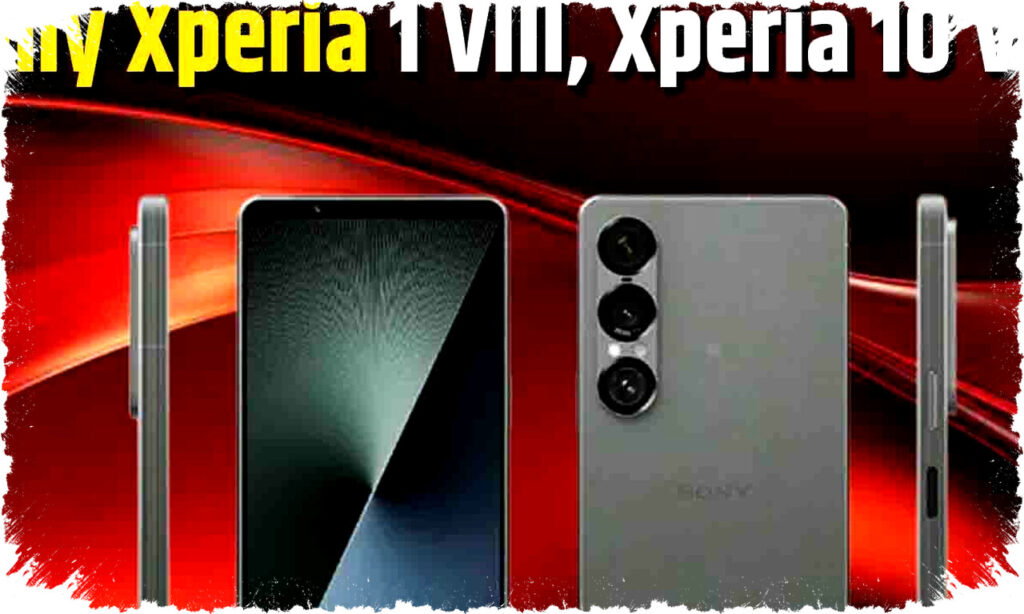
Sony is gearing up for its 2026 lineup with two notable releases: the Xperia 1 VIII and Xperia 10 VIII. These models represent different segments, catering to users who prioritize high-end performance and those seeking a practical, budget-friendly option. The discussion between flagship and mid-range smartphones has been reignited with these upcoming devices.
The Xperia 1 VIII targets enthusiasts who demand cutting-edge technology. Equipped with the new Snapdragon 8 Elite Gen 5 chipset, it is designed to deliver flagship-level performance. In contrast, the Xperia 10 VIII focuses on everyday usability with a Snapdragon 6 Gen 3 chip that balances efficiency and power consumption.
Performance and User Target
The core difference lies in their performance and intended audiences. The Xperia 1 VIII is positioned as a "professional camera in your pocket," emphasizing advanced photography and multimedia capabilities. It features a triple 48MP camera setup with ZEISS optics, appealing to content creators and avid photographers. Meanwhile, the Xperia 10 VIII offers a dual 50MP camera system designed for everyday photography needs, offering reliable image quality without the complexity of professional tools.
Display Technology
Display quality further distinguishes the two smartphones. The Xperia 1 VIII boasts a 6.5-inch 4K HDR OLED panel with a 120Hz refresh rate. This high resolution caters to users seeking an immersive visual experience, especially for media consumption and creative work. Conversely, the Xperia 10 VIII has a smaller 6.1-inch Full HD+ OLED display, also with 120Hz refresh rate, prioritizing smoothness and power efficiency over ultra-high resolution visuals.
Memory and Storage Options
Memory and storage capacity reflect their market positioning. The Xperia 1 VIII comes with 12GB of RAM and offers storage options of 256GB and 512GB. This accommodates heavy multitasking and large media files typical of power users. The Xperia 10 VIII provides 8GB RAM and 128GB internal storage, sufficient for most daily applications and casual media storage.
Battery Life and Charging
Battery capacity is identical at 5,000 mAh for both models, ensuring substantial usage time. However, charging capabilities differ: the Xperia 1 VIII supports 30W fast charging, allowing for quicker top-ups, whereas the Xperia 10 VIII offers 20W charging, which is somewhat slower but consistent with its mid-range classification. Both phones maintain a balanced approach to battery longevity and convenience.
Connectivity and Additional Features
The connectivity suite on the Xperia 1 VIII is more advanced, supporting 5G and Wi-Fi 7 standards. It also retains the increasingly rare 3.5mm headphone jack, catering to audiophiles. The Xperia 10 VIII supports 5G and Wi-Fi 6E, which are still modern but slightly behind in wireless technology. Both phones demonstrate Sony’s commitment to maintaining features users appreciate, such as robust water and dust resistance with IP65/68 ratings.
Build and Ergonomics
Build quality represents a notable contrast. The Xperia 1 VIII uses premium Gorilla Glass Victus on both front and back, giving it a high-end, durable feel. The Xperia 10 VIII, while lighter and slimmer, emphasizes comfort in daily grip and portability. This design choice appeals to users who prefer compact devices without sacrificing essential functionality.
Pricing and Market Availability
The Xperia 1 VIII is expected to be priced at around €1,499 (approximately $1,600), reflecting its flagship status and advanced capabilities. On the other hand, the Xperia 10 VIII is anticipated to cost between $400 and $600, making it an affordable choice for budget-conscious consumers. Both are slated for a global release in the second quarter of 2026, including markets in Asia and Europe.
Summary of Key Specifications
| Feature | Sony Xperia 1 VIII (Flagship) | Sony Xperia 10 VIII (Mid-Range) |
|---|---|---|
| Chipset | Snapdragon 8 Elite Gen 5 | Snapdragon 6 Gen 3 |
| Display | 6.5″ 4K HDR OLED, 120Hz | 6.1″ FHD+ OLED, 120Hz |
| RAM / Storage | 12GB / 256GB – 512GB | 8GB / 128GB |
| Camera | Triple 48MP (ZEISS Optics) | Dual 50MP |
| Battery | 5,000 mAh, 30W charging | 5,000 mAh, 20W charging |
| Connectivity | 5G, Wi-Fi 7, 3.5mm jack | 5G, Wi-Fi 6E, 3.5mm jack |
| Water/Dust Resistance | IP65/68 | IP65/68 |
| Build Material | Gorilla Glass Victus (front/back) | Lightweight, ergonomic |
These specifications illustrate Sony’s dual-market strategy for 2026. The Xperia 1 VIII aims at tech enthusiasts requiring uncompromised performance for professional-grade photography and multimedia. Meanwhile, the Xperia 10 VIII targets users who demand reliable everyday performance without a premium price tag.
Sony’s continued inclusion of features like headphone jacks and water resistance caters to consumer preferences that many other brands have phased out. This shows a focus on practical user needs alongside cutting-edge technology.
When choosing between the two, prospective buyers must consider their priority: is it top-tier performance and camera sophistication, or is it battery longevity and a comfortable form factor at an affordable price? The Xperia 1 VIII and 10 VIII both serve distinct roles, reflecting diverse consumer demands in today’s smartphone market.