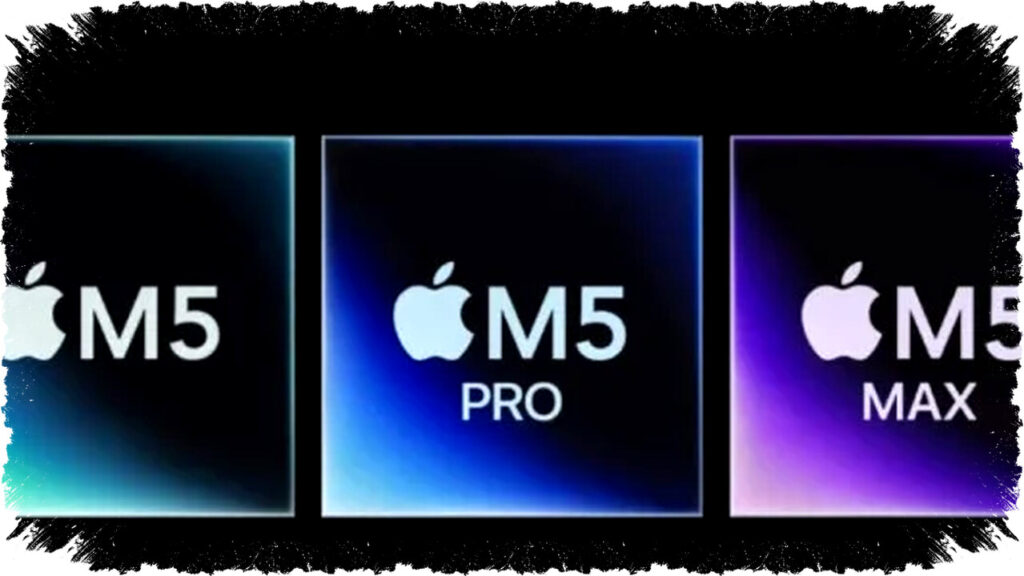
Apple’s latest high-performance chips, the M5 Pro and M5 Max, have notably been delayed beyond their anticipated release window. Previously, the M4 Pro and M4 Max debuted in November 2024, so many expected their successors around the same period. However, Apple has yet to announce these new processors officially, creating uncertainty in the tech community.
Recent insider reports point to a potential launch as late as March 2026. A credible technology informant on Weibo, known as Fixed-focus digital, revealed this updated timeline but did not specify the reasons behind the postponement. This delay contrasts with simultaneous rumors that the next-generation M6 chips might arrive earlier than expected, signaling a disrupted product cadence.
Technical and Supply Chain Challenges Behind the Delay
Industry sources suggest that manufacturing difficulties at Taiwan Semiconductor Manufacturing Company (TSMC) are a significant factor in the M5 Pro and M5 Max delay. As Apple’s primary foundry partner, TSMC reportedly faces production challenges with the sophisticated chips Apple requires. These complexities have slowed supply and disrupted Apple’s initial schedule.
Apple also appears to be integrating a more advanced packaging technology called System-on-a-Chip (SoIC). This method combines multiple chip components into one flexible module, but the production process remains in its early stages and is not yet perfected. The added intricacy in manufacturing SoIC-based chips could explain why Apple has postponed the official launch until quality and yield rates improve.
Potential Production Cost Implications
Despite the delay, leaks indicate that the M5 Pro and M5 Max could be marginally less expensive to produce than their M4 predecessors. The cost reduction, while slight, is notable amid ongoing pressures on global semiconductor supply chains, especially regarding DRAM shortages. These supply constraints have impacted many sectors, making any production savings valuable.
Benefits and Innovations of SoIC Technology
The adoption of SoIC packaging technology may also bring critical performance benefits. Earlier reports highlighted that the standard M5 chip can reach temperatures as high as 99°C under sustained workload. With SoIC’s more efficient thermal management, the Pro and Max variants are expected to handle heat dissipation better, potentially improving long-term performance and reliability.
Further, SoIC enables greater design flexibility by allowing the CPU and GPU blocks to be modularly separated within the chip. This approach lets Apple tailor configurations to specific workload needs instead of deploying a one-size-fits-all design. Such customization could lead to more optimized performance across different Mac models.
Market Expectations and Forward Outlook
If the March 2026 launch materializes, Apple may unveil the M5 Pro and M5 Max alongside refreshed hardware such as new MacBook Pro models or Mac Studio desktops powered by these advanced chips. This would follow Apple’s typical strategy of launching cutting-edge processors with flagship devices, creating strong synergy between hardware and silicon updates.
Nevertheless, all details currently remain speculative. Apple is known for its secretive product planning and can alter release plans abruptly without prior notice. For now, customers and industry watchers must await official confirmation from Apple to know the definitive timeline and feature set of the M5 Pro and M5 Max chips.
Summary of Key Points Regarding the Delay
- Expected November 2024 launch postponed; new target possibly March 2026.
- TSMC manufacturing difficulties impact high-performance chip production.
- Complex SoIC packaging technology demands more development time.
- Production costs could be slightly reduced amid global DRAM supply issues.
- SoIC offers improved thermal management and flexible CPU/GPU configurations.
- Launch might coincide with updates to MacBook Pro and Mac Studio platforms.
- Official details remain unconfirmed; speculation should be treated cautiously.
Apple’s decision to delay the M5 Pro and M5 Max highlights ongoing challenges in semiconductor manufacturing and supply chains. It also reflects the company’s commitment to delivering advanced technology with improved efficiency and customization, even if it means adjusting timelines. The coming months will be crucial for observers to track any updates and see how Apple balances innovation with market demands.